5 Best Construction Management Companies to Hire
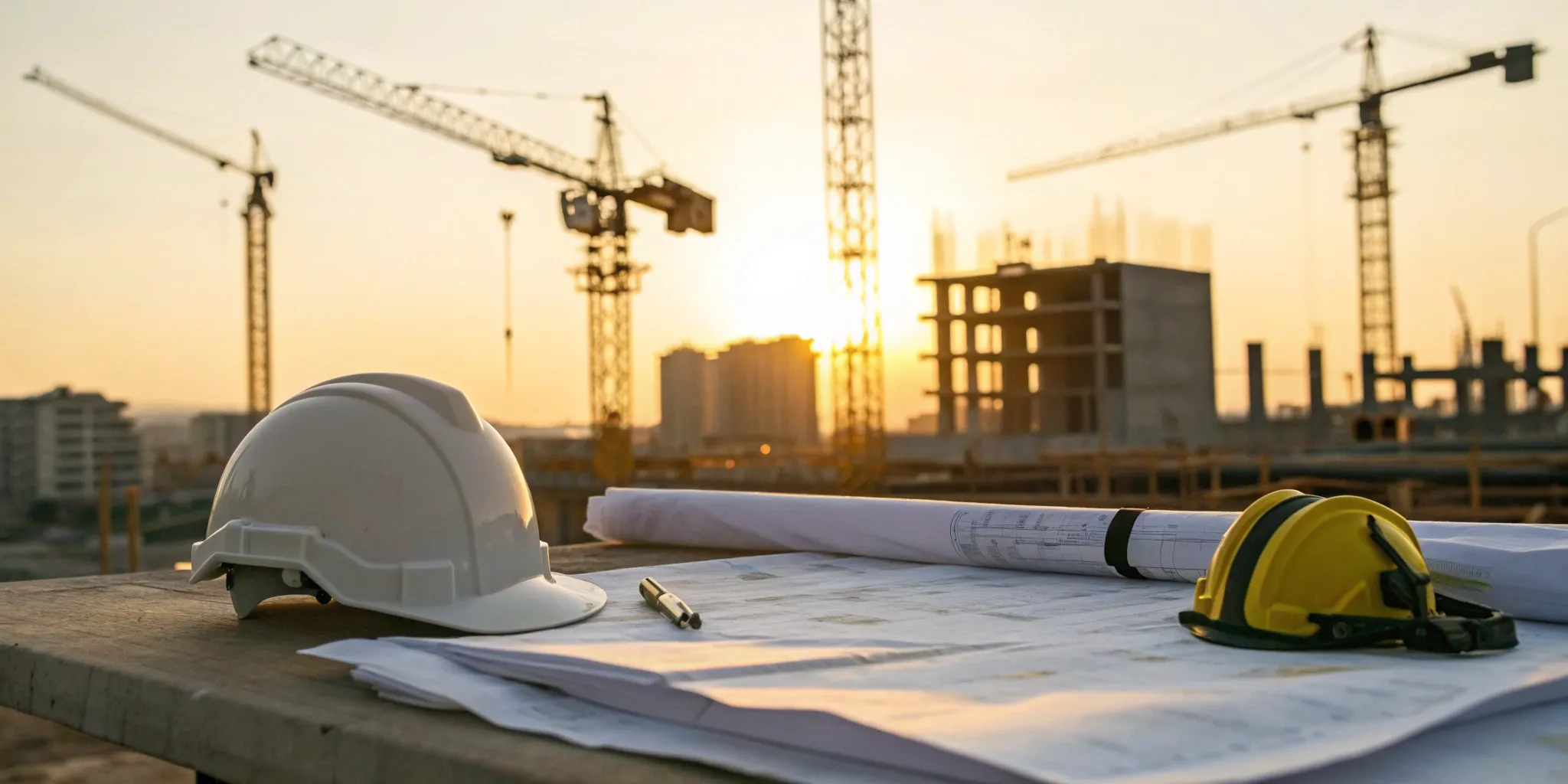
A construction project is a lot like a symphony orchestra. You have dozens of skilled specialists—architects, engineers, electricians, plumbers, and laborers—all needing to perform their part at the exact right time. Without a conductor, you get chaos. A construction management firm is that conductor. Their role is to unify every moving piece, ensuring all parties are working in harmony from a single sheet of music: your project plan. By providing expert oversight and seamless coordination, construction management companies transform a complex, potentially discordant process into a streamlined and successful build, delivering a final product that meets your precise goals for quality and performance.
Key Takeaways
- Think of a CM as your project's advocate, not just an overseer: They join your team during the pre-construction phase to align the design with your budget and schedule, preventing costly issues before they happen.
- A CM's primary role is to protect your investment: By managing cost, schedule, quality, and risk, they provide the financial predictability and on-time delivery essential for a profitable development.
- Vet partners based on relevant experience and clear processes: Look for a firm with a proven portfolio in your specific sector and insist on transparent communication and reporting standards from the very beginning.
What Is a Construction Management Company?
Think of a construction management (CM) company as the central nervous system for your entire development project. From the initial concept to the final ribbon-cutting, they are the single point of contact responsible for steering the ship. Their job is to represent your best interests, ensuring every decision made by architects, engineers, and contractors aligns with your goals for budget, schedule, and quality.
A great CM firm acts as the "glue" that holds a project together, making sure all the moving parts work in harmony. They bring professional expertise to the table, allowing you, the owner or developer, to focus on the big picture without getting bogged down in the day-to-day complexities of the build. By hiring a CM, you’re not just getting a manager; you’re getting a strategic partner dedicated to turning your vision into a successful, tangible asset. They are essential for making sure your project runs successfully from start to finish.
Understanding Their Core Responsibilities
Before a single shovel hits the ground, a construction management company is already hard at work. They begin by helping with feasibility studies, site selection, and creating realistic budgets and timelines. This early involvement is critical for setting the project up for success. As the project moves into the design phase, they collaborate closely with architects and engineers to refine the plans, looking for opportunities to add value, reduce costs, and ensure the final design is both functional and buildable.
Once construction begins, their focus shifts to active oversight. The CM team manages all daily on-site activities, from coordinating subcontractors to enforcing safety protocols. They are your eyes and ears on the ground, constantly monitoring progress, inspecting workmanship for quality, and solving problems as they arise.
How They Manage the Project Lifecycle
At its core, construction management is about controlling a project’s four most critical elements: time, cost, quality, and safety. A CM firm implements systems and processes to manage these variables throughout the project lifecycle. They are the primary communication link between you, the design team, and the on-site crews, ensuring everyone is aligned and informed. This prevents the miscommunications that often lead to costly delays and mistakes.
To maintain transparency, they keep meticulous records of everything—schedules, financial reports, change orders, and meeting minutes. You’ll receive regular updates that give you a clear picture of where the project stands. This disciplined approach to project controls allows them to anticipate challenges, manage risk, and keep the project moving forward predictably.
Construction Manager vs. General Contractor: What's the Difference?
On the surface, construction managers (CMs) and general contractors (GCs) seem to fill the same role, but they represent two distinct approaches to bringing a project to life. While both are essential to building, understanding their core differences is the first step in choosing the right partner for your development. The main distinction comes down to when they join the project and the scope of their responsibilities.
A construction manager acts as your advocate and strategic partner from the earliest planning stages, often before architectural designs are even finalized. A general contractor, on the other hand, is typically hired after the design phase is complete to execute the physical build based on a set of plans. Think of it as hiring a project's chief strategist versus hiring its lead implementer. Both are crucial, but they operate from different vantage points.
Strategic Oversight vs. Hands-On Building
A construction manager provides comprehensive oversight for the entire project lifecycle. They work on your behalf, collaborating with architects and engineers during pre-construction to offer value engineering, refine budgets, and create realistic schedules. Their job is to manage the big picture, ensuring every decision aligns with your financial and functional goals. A CM is responsible for the high-level planning, budgeting, and hiring that sets the foundation for success.
A general contractor’s role is more focused on the hands-on execution of the build. After winning a bid based on completed blueprints, the GC takes charge of the construction site. They manage daily operations, hire and coordinate subcontractors, source materials, and ensure the structure is built according to the provided specifications. Their expertise lies in turning a finished plan into a physical reality, managing the logistics and labor required to get the job done.
A Deeper Look at Risk Management and Quality Control
Because a construction manager is involved from day one, their approach to risk is proactive and holistic. They identify potential conflicts between the design, budget, and schedule early on, resolving issues before they lead to costly change orders or delays. A CM establishes and enforces quality standards across the entire project, acting as the central point of accountability. They are the "glue" that holds a building project together, ensuring the final result meets all regulatory requirements and your specific standards through rigorous inspections and oversight.
A general contractor manages risk primarily at the job site level. Their focus is on subcontractor performance, material delivery, and maintaining a safe working environment. Quality control for a GC means ensuring the work completed by their crews and subcontractors adheres strictly to the construction documents. While a great GC is vital for a quality build, their risk management is centered on the construction phase, whereas a CM’s responsibility for risk and quality spans the project's entire duration, from concept to completion.
Why Hire a Construction Management Firm?
Bringing a large-scale construction project to life involves coordinating countless moving parts. For developers, investors, and property owners, overseeing every detail—from initial design to final inspection—can be overwhelming and inefficient. This is where a construction management (CM) firm steps in. Think of them as your dedicated advocate and expert guide, representing your interests throughout the entire project lifecycle.
A construction management firm provides comprehensive oversight, ensuring that your vision is executed on time, within budget, and to the highest quality standards. They bridge the gap between your goals and the day-to-day realities of the job site, managing contractors, schedules, and finances so you can focus on the bigger picture. By bringing a CM on board early, you gain a strategic partner who can identify potential issues before they become costly problems, streamline complex processes, and ultimately protect your investment. Their expertise is the key to transforming a complicated build into a smooth and successful venture.
Keep Your Project on Budget
One of the biggest concerns for any developer or investor is financial predictability. A construction management firm’s primary role is to protect your bottom line. They start by providing detailed cost estimates and budgets during the pre-construction phase, giving you a realistic financial roadmap. As the project progresses, they meticulously track expenses, manage payments, and handle change orders to prevent budget creep. Their expertise in value engineering also means they can identify cost-saving opportunities without compromising the quality or integrity of your project. Modern firms use AI-powered cost forecasting and automated systems to manage budgets and cash flow effectively, providing you with transparent, real-time financial reporting.
Meet Deadlines with Efficient Scheduling
In construction, time is money. Delays can lead to significant cost overruns and disrupt your return on investment. A construction management firm is an expert in project scheduling and logistics. They develop a master schedule that outlines every phase of the project, from groundbreaking to completion, and coordinate all subcontractors, suppliers, and inspections to keep things moving forward. By proactively managing the timeline, they can anticipate potential bottlenecks and adjust accordingly to prevent delays. To do this, they use specialized construction project management software to coordinate every moving part, from material delivery to subcontractor schedules. This ensures a seamless workflow and keeps your project on track for its target completion date.
Minimize Risk and Ensure Compliance
Construction projects are filled with potential risks, including safety hazards, regulatory hurdles, and contractual disputes. A construction management firm acts as your first line of defense, implementing rigorous safety protocols and quality control measures to create a secure job site. They also handle the complexities of permits, zoning laws, and building codes. A key part of their job is staying current on the latest regulatory updates to ensure every aspect of the project is up to code. This proactive approach to risk management and compliance protects you from potential fines, legal issues, and costly rework, giving you peace of mind that your project is in capable hands.
Guarantee Quality and Post-Project Support
Your project’s long-term success depends on the quality of its construction. A CM firm serves as your quality assurance team, monitoring workmanship and materials throughout the build. They conduct regular inspections to ensure that all work meets the specifications and standards outlined in the project plans. They act as the "glue" holding the project together, ensuring the final build meets high-quality standards. Their job doesn’t end when construction is complete; they also manage the project closeout process, which includes compiling all necessary documentation, warranties, and manuals. This thorough handover ensures you have everything you need to operate and maintain your new facility for years to come.
Meet the Top Construction Management Companies
Finding the right construction management partner means looking for a team whose expertise aligns with your project's specific needs. While some firms are known for global megaprojects, others excel by delivering specialized, high-quality results in specific sectors. Here are some of the top companies leading the industry today, each with a unique set of strengths.
Pillars of Seven
Pillars of Seven has built a strong reputation for managing commercial, storage, multifamily, and hospitality projects across the United States. With a foundation in engineering, their team brings a technical, problem-solving approach to every job site. They focus on delivering efficient, high-quality outcomes for real estate developers, private investors, and property owners who need a reliable partner. Their portfolio showcases a deep understanding of these specific asset classes, ensuring that every project is built for long-term value and performance. By combining hands-on management with a commitment to clear communication, they ensure projects stay on schedule and within budget, making them a go-to firm for specialized developments.
Turner Construction Company
A major player in the North American market, Turner Construction Company is known for tackling large-scale, complex projects. Their work spans the healthcare, education, commercial, and infrastructure sectors. If you’ve ever marveled at a skyscraper, there’s a good chance Turner was involved—their portfolio includes iconic structures like the Burj Khalifa. The company is recognized for its commitment to sustainable building practices, safety protocols, and delivering high-quality results for a diverse range of clients. Their extensive experience makes them a top choice for ambitious projects that demand precision and scale.
AECOM
AECOM is a global infrastructure consulting firm that manages projects from the initial concept and planning stages all the way through engineering and construction. They are the minds behind incredible feats of design, like the Mercedes-Benz Stadium with its one-of-a-kind retractable roof. AECOM excels at solving complex challenges across transportation, buildings, water, and energy sectors. Their integrated approach allows them to provide comprehensive solutions for some of the world's most demanding infrastructure needs, making them a leader in both design and project management.
Bechtel Corporation
When it comes to engineering, construction, and project management on a global scale, Bechtel Corporation is a household name. The company is behind some of history’s most significant engineering achievements, including the Hoover Dam. Their work focuses on creating large-scale projects that power communities, improve transportation, and provide environmental solutions. Bechtel is known for its dedication to operational excellence, innovation, and safety. Their ability to execute massive, transformative projects has solidified their position as a leader in the industry for decades.
Kiewit Corporation
Kiewit Corporation is a construction and engineering powerhouse with a strong focus on the transportation, oil and gas, power, and water markets. They played a key role in developing America’s infrastructure, having built the first section of the Santa Ana Freeway, a precursor to the modern Interstate Highway System. Kiewit is committed to finding innovative and sustainable solutions for every project they undertake. Their reputation for safety, quality, and reliability makes them a trusted partner for critical infrastructure projects that communities depend on every day.
How to Choose the Right Construction Management Partner
Selecting a construction management firm is one of the most critical decisions you'll make for your project. This isn't just about hiring a team to execute a blueprint; it's about finding a strategic partner who will protect your investment, manage complexity, and guide your vision from groundbreaking to grand opening. The right partner acts as an extension of your own team, bringing expertise and foresight to the table.
For developers and investors, this choice directly impacts your bottom line and timeline. A great construction manager anticipates challenges, communicates clearly, and maintains control over every moving part. As you vet potential firms, focus on four key areas: their track record, their communication style, their use of technology, and how they measure success. Getting this right from the start ensures your project is built on a foundation of trust, transparency, and shared goals.
Evaluate Their Experience and Portfolio
Before you sign any contracts, take a close look at a firm’s past work. A strong portfolio is more than just a collection of finished buildings; it’s proof that they can deliver projects of a similar scale and complexity to yours. Look for a proven track record of completing jobs on time and within budget. Don’t just scroll through the photos—read the case studies and testimonials to understand the challenges they faced and how they solved them.
Does their experience align with your specific needs? If you’re building a multifamily housing complex, you want a partner who understands that market inside and out. The same goes for commercial, industrial, or hospitality projects. Reviewing a firm's portfolio of projects gives you a clear picture of their capabilities and whether they’re the right fit for your vision.
Set Clear Communication and Reporting Standards
Clear, consistent communication is the backbone of any successful construction project. From the outset, you need to know how a firm will keep you informed. Will you have a single point of contact? How often can you expect progress reports and budget updates? A reliable partner establishes a transparent communication plan from day one, ensuring everyone from investors to subcontractors is on the same page.
This isn't just about avoiding surprises; it's about building a relationship based on trust. Regular meetings and detailed reports allow you to address issues quickly and make informed decisions. When you start a conversation with a potential firm, ask them to walk you through their communication process. Their answer will tell you a lot about how they value their client relationships.
Look for Modern Technology and Innovation
In today’s construction landscape, technology is essential for efficiency and accuracy. A forward-thinking construction management firm uses modern tools to streamline workflows, improve collaboration, and provide real-time project insights. This includes everything from project management software that tracks schedules and budgets to building information modeling (BIM) that helps identify potential design conflicts before construction even begins.
This tech-forward approach isn't just for show. It translates into tangible benefits for you, including better cost control, fewer delays, and higher-quality results. When a firm invests in construction project management software, it shows they are committed to transparency and running a tight ship, giving you a clear window into your project’s progress at all times.
Define Your Key Performance Indicators (KPIs)
How will you measure the success of your project? Before work begins, you and your construction manager should agree on a set of Key Performance Indicators (KPIs). These are the specific, measurable metrics that define what a successful outcome looks like. KPIs create accountability and ensure everyone is working toward the same objectives.
Common key performance indicators in construction include budget variance, schedule performance, safety incidents, and quality assurance checks. By defining these upfront, you create a framework for evaluating progress and performance throughout the project lifecycle. A great partner will welcome this conversation and work with you to track the metrics that matter most to your investment.
Answering Your Questions About Construction Management
Choosing a construction management partner is a significant decision, and it’s natural to have questions about how the process works. From budget concerns to communication styles, you need a clear picture of what to expect. A great construction management firm operates with transparency, anticipating challenges and keeping you informed every step of the way. Let’s clear up a few common points of confusion and outline what a proactive partnership looks like.
This isn't just about following a set of best practices; it's about having an experienced team that can adapt to the dynamic nature of a job site. The right partner brings expertise that protects your investment and turns your vision into a tangible asset.
Common Misconceptions, Debunked
One of the biggest myths is that a good process alone guarantees a successful project. While solid systems are essential, every construction project has unique variables. An experienced construction manager knows how to handle unforeseen site conditions or supply chain disruptions because they’ve seen it all before. Their value comes from active problem-solving, not just checking boxes on a list.
Another common concern is that contractors inflate costs to increase their profits. In reality, a reputable firm provides immense value through their expertise, coordination, and management. They leverage their network of subcontractors and suppliers to secure competitive pricing and ensure quality work. Their fee covers the complex job of orchestrating dozens of moving parts, managing risk, and ensuring your project is built to last.
Creating Transparency in Project Communication
You should never feel like you’re in the dark about your own project. A top-tier construction management firm establishes clear and consistent communication from day one. This includes regular meetings—whether daily, weekly, or bi-weekly—to provide updates, gather your feedback, and share any new objectives. This consistent loop ensures everyone is aligned and that decisions are made collaboratively.
Modern firms use technology to make this even easier. Many, including our team at Pillars of Seven, use project management systems that offer real-time online updates. This gives you a direct view into progress, schedules, and financials. By streamlining communication through digital tools, we ensure you have the information you need, right when you need it, building the trust required for a successful construction partnership.
How They Handle Budget and Timeline Challenges
Even with perfect planning, challenges can arise. Issues like labor shortages, material delays, or unexpected site conditions like poor soil can impact schedules and budgets. The difference between a good and a great construction manager is how they prepare for and respond to these hurdles. It starts with robust budgeting practices that include contingency planning for the unexpected.
Proactive firms don't wait for problems to happen. They perform thorough due diligence, identify potential risks early, and develop mitigation strategies. Throughout the project, they use real-time cost tracking to monitor expenses against the budget, allowing for quick adjustments if needed. This hands-on approach to managing projects minimizes surprises and keeps your development on the path to profitability.
Finding the Right Fit for Your Project
Not all construction management firms are created equal, especially when it comes to specialized projects. The skills, supply chains, and regulatory knowledge needed to build a high-rise apartment complex are vastly different from those required for a sprawling industrial warehouse. Choosing a partner with a portfolio that mirrors your project's scope is one of the most critical decisions you'll make. A firm that understands the specific challenges and market demands of your sector can anticipate problems before they arise, saving you significant time and money down the line.
Think of it this way: you wouldn't hire a residential home builder to construct a hospital. The same principle applies here. A construction manager with deep experience in your niche brings invaluable foresight. They know the common pitfalls, have established relationships with the right subcontractors, and understand the unique expectations of your end-users, whether they're tenants, shoppers, or logistics managers. This specialized expertise is what separates a good project from a great one. Let's look at what to prioritize when you're building for commercial, multifamily, or industrial use.
Commercial Development
For commercial development projects like retail centers or office buildings, you need a firm that gets the big picture. It’s not just about construction; it’s about creating a space that serves a business purpose. When vetting partners, look for companies that specialize in this area. For instance, PCL Construction is a major player known for its focus on civil infrastructure and building projects. Their employee-owned model often translates to a higher level of commitment and collaboration on site, which is exactly what you want when managing the complexities of a commercial build. A partner with this kind of dedicated structure can make all the difference in delivering a quality project.
Multifamily Housing
Multifamily housing is all about creating communities, and your construction partner should reflect that. It’s essential to work with firms that have a strong, proven track record in managing apartment complexes and other nonresidential buildings. The best partners in this space excel at delivering housing solutions that meet the needs of diverse residents while keeping the project on schedule and within budget. According to a recent list of the top construction management firms, leaders in this sector have mastered the art of project management for large-scale residential developments. Their expertise ensures your vision for a thriving community becomes a reality.
Industrial and Storage Facilities
Industrial and storage facility projects come with their own set of unique challenges, from massive scale to complex logistical requirements. For these builds, you need a construction management team with specialized technical expertise. A company like AECOM stands out in this field, with dedicated teams like AECOM Tishman and AECOM Hunt that are known for handling intricate projects. Their experience managing everything from large-scale industrial plants to modern storage solutions makes them a reliable choice for clients developing these demanding spaces. When your project involves complex systems and tight operational deadlines, partnering with a specialist is non-negotiable.
Take the Next Step with a Construction Management Firm
When you’re ready to move forward with a project, bringing a construction management firm on board is one of the smartest decisions you can make. Think of them as the essential glue holding every piece of your project together, ensuring everything runs smoothly from the initial design to the final walkthrough. Their expertise in managing complex logistics is what allows for better coordination, on-time completion, and strict adherence to your budget.
Top-tier firms are known for their ability to deliver results on even the most ambitious projects. For example, industry leaders like AECOM offer construction management services that are skilled in executing complex builds like skyscrapers and stadiums, proving that no vision is too large with the right team in place. This level of oversight is exactly what keeps large-scale developments on track, and it's why the top construction management firms are recognized for their skill in managing everything from nonresidential buildings to apartment complexes.
Choosing a construction management firm is more than just hiring a service; it’s an investment in a partnership that is fully dedicated to your project's success. With their deep knowledge and resources, the right firm helps you achieve your construction goals while minimizing risks and maximizing efficiency. When you’re ready to see how a dedicated team can bring your project to life, let’s start the conversation.
Related Articles
- Capabilities
- About Us
- Multifamily Projects Delivered On Time, On Budget, Ready for Residents.
- Houston Construction Management | Pillars of Seven
Frequently Asked Questions
When is the best time to hire a construction management firm? The ideal time to bring a construction management firm on board is as early as possible, preferably during the project's initial concept or design phase. Their early involvement allows them to provide critical input on feasibility, budgeting, and scheduling before key decisions are locked in. This proactive approach helps prevent costly redesigns and ensures your project is set up for success from the very beginning.
Does hiring a construction management firm actually save money? Yes, it's an investment that protects your bottom line. A skilled construction manager saves you money by creating realistic budgets, identifying cost-saving opportunities through value engineering, and preventing expensive change orders and delays. Their expert oversight ensures the project is built efficiently and correctly the first time, avoiding the financial pitfalls that can arise from poor coordination or planning.
If I have an architect and a general contractor, why do I need a construction manager too? A construction manager serves as your dedicated advocate and the central point of contact for the entire project. While the architect focuses on design and the general contractor focuses on the physical build, the construction manager ensures both parties are aligned with your specific goals for budget, schedule, and quality. They manage the overall process, facilitate communication, and hold everyone accountable to you.
Are construction management services only for massive, complex projects? Not at all. While they are essential for large-scale developments, any project with a tight budget, a firm deadline, or multiple subcontractors can benefit from professional management. A good firm can tailor its services to fit the scope of your project, providing the same level of expert oversight and coordination that ensures a smooth and predictable outcome, regardless of the size.
What does the day-to-day relationship with a construction manager look like? You can expect a transparent and collaborative partnership. A great construction manager establishes a clear communication rhythm from the start, providing you with regular updates, detailed reports, and a single point of contact for any questions. They handle the daily on-site complexities, allowing you to focus on high-level decisions without getting lost in the weeds.
About the Author

Tomer Benshushan is a seasoned general contractor and developer with over a decade of experience leading large-scale commercial and multifamily construction projects across Texas and beyond. As founder of Pillars of Seven, he specializes in ground-up development, restoration, and design-build execution for multifamily, warehouse, and storage facilities. Tomer is known for his hands-on approach, attention to detail, and commitment to delivering high-quality builds that balance design, efficiency, and long-term performance.