Why Choose a Design Build Construction Company?
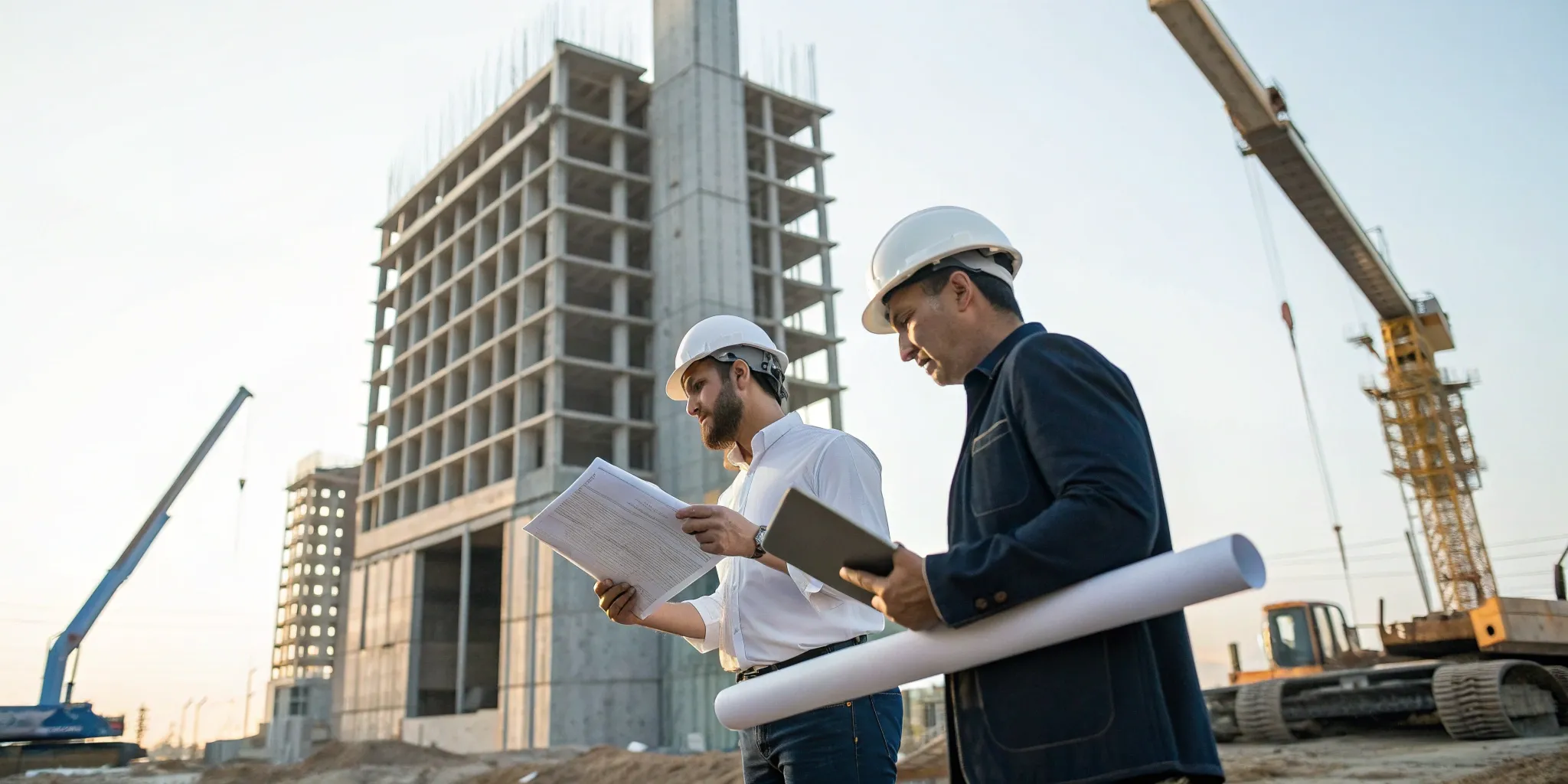
Managing a commercial construction project often feels like conducting an orchestra where the musicians have never met. You’re left coordinating between architects, engineers, and contractors, hoping they all play from the same sheet music. This traditional, fragmented approach is notorious for creating communication gaps, budget surprises, and schedule delays. The design-build model offers a simpler, more harmonious solution. It consolidates the entire process under a single contract, bringing designers and builders together as one unified team from the very beginning. By choosing to work with a design build construction company, you eliminate the finger-pointing and create a clear line of accountability, ensuring everyone is working toward the same goal: your project's success.
Key Takeaways
- Gain Control Through a Single Point of Responsibility: Design-build consolidates your project under one contract, giving you a single, accountable partner. This structure eliminates the classic finger-pointing between architects and builders, simplifies communication, and keeps you focused on your vision, not on managing disputes.
- Achieve Cost Certainty Through Early Collaboration: With builders involved during the design phase, you get real-time feedback on cost and constructability. This integrated approach makes value engineering highly effective, preventing expensive redesigns and providing clear budget predictability from the start.
- Your Most Critical Decision is Choosing the Right Partner: The success of the design-build model depends entirely on the firm you hire. Prioritize partners with a proven portfolio of similar projects, verified financial stability, and a collaborative culture that feels like an extension of your own team.
What is Design-Build Construction?
Design-build is a construction delivery method that simplifies your project by combining the design and construction services into a single contract. Instead of juggling separate agreements with an architect and a contractor, you work with one unified team from the initial concept to the final walkthrough. This integrated approach is all about creating a smoother, more collaborative process. By bringing designers and builders to the same table from day one, the design-build model streamlines communication, aligns goals, and ultimately delivers a better project on a more predictable schedule. It’s a modern solution designed to reduce risk and complexity for project owners.
Design-Build vs. Traditional Construction
The traditional construction method, often called "design-bid-build," separates the project into distinct, sequential phases. First, you hire an architect to create a full set of plans. Once the design is complete, you put the project out to bid and select a contractor to build it. This approach often puts the owner in the middle, managing two separate entities whose interests may not always align. If issues arise, it can lead to finger-pointing between the design and construction teams, causing delays and cost overruns.
In contrast, the design-build process is collaborative from the start. Because the design and construction teams work together under one roof, they can overlap phases and solve problems in real-time, leading to a more efficient and faster project timeline.
The Power of a Single Contract
The single contract is the engine that drives the design-build model. It establishes one point of responsibility for the entire project, from architectural drawings to final construction. This structure eliminates the risk of disputes between a separate designer and builder, as everyone is part of the same team, working toward the same goal. For you, the owner, this means communication is radically simplified. You have a single point of contact who is accountable for quality, cost, and schedule. This clarity is fundamental to how we manage our comprehensive construction services, ensuring a transparent and straightforward experience for our clients. There’s no need to play mediator—just clear, direct collaboration with a partner who owns the outcome.
How the Team Works Together
In a design-build project, collaboration isn't just a buzzword; it's built into the workflow. Architects, engineers, and construction managers work together from the earliest stages, allowing for practical, buildable designs that meet your budget. This early collaboration makes it possible to perform value engineering, a process where the team analyzes materials and methods to find cost-effective solutions without sacrificing quality or long-term performance. Because everyone is on the same team, information flows freely, allowing for quicker problem-solving and more innovative thinking. This cohesive teamwork ensures that every decision is made with a full understanding of its impact on both the design and the construction, resulting in the high-quality outcomes seen in our project portfolio.
Why Choose a Design-Build Firm?
When you’re managing a commercial development, the last thing you need is a project bogged down by communication gaps, budget surprises, and schedule delays. The traditional approach of hiring a separate architect and contractor can often create these exact problems, leaving you to play mediator. A design-build firm streamlines this entire process by bringing design and construction under one roof. This integrated approach means your project is managed by a single, cohesive team from the initial concept to the final walkthrough, creating a more efficient and predictable path to completion.
Faster Timelines
One of the most significant advantages of the design-build model is speed. Because the design and construction teams work together from day one, their phases can overlap. This means site work can begin while final design details are still being polished, cutting down the overall project duration. In fact, design-build projects can be completed up to 102% faster than projects using traditional methods. For developers and investors, a faster timeline means your property starts generating revenue sooner, reducing carrying costs and accelerating your return on investment. Our integrated capabilities ensure every phase flows seamlessly into the next, keeping your project on the fast track.
Better Budget Control
With a design-build firm, your budget is a central focus from the very beginning. The construction team provides real-time cost feedback during the design phase, preventing expensive surprises and redesigns down the line. This collaborative process allows for effective value engineering, a structured method for finding the best balance between function, cost, and quality. Instead of discovering that a design is over budget after the plans are complete, the team can make smart, cost-effective adjustments on the fly. This gives you a clear, predictable cost structure and ensures your capital is used as efficiently as possible, delivering maximum value for your investment.
Clearer Communication
Juggling communication between an architect, engineers, and a general contractor can be a major headache. With a design-build firm, you have a single point of contact responsible for the entire project. This simplifies communication dramatically, as everyone is already on the same team, working toward the same goal. Questions are answered faster, decisions are made more efficiently, and the risk of misunderstandings falls significantly. This collaborative environment fosters a true partnership, where your vision is clearly understood and executed by a unified team. The Pillars of Seven team is built on this principle of clear, consistent communication from start to finish.
Simplified Accountability
When challenges arise in a traditional project, it’s easy for the designer and builder to point fingers at each other, leaving you caught in the middle. The design-build model eliminates this blame game entirely. Because one firm is responsible for both design and construction, that firm holds complete accountability for the project's success. This single-source responsibility means the team is focused on finding solutions, not assigning fault. From quality and cost to schedule, the buck stops with the design-build partner. This gives you peace of mind knowing you have a dedicated team that owns the outcome of your project.
How to Choose the Right Design-Build Partner
Selecting a design-build firm is one of the most critical decisions you'll make for your development. This partner will be with you from the initial sketch to the final walkthrough, so finding the right fit is essential for a smooth and successful project. It’s not just about finding a builder; it’s about finding a strategic partner who understands your vision and can execute it flawlessly. Look beyond the sales pitch and focus on the substance—their experience, their processes, and their people. A great design-build partner doesn't just construct a building; they build a relationship based on trust, transparency, and a shared commitment to excellence.
Relevant Project Experience
When you’re vetting potential partners, look for a portfolio that mirrors the type of project you’re planning. A firm that specializes in multifamily housing will understand the nuances of that asset class far better than one that primarily builds retail centers. Dig into their past projects to see if their work aligns with your quality standards and aesthetic goals. But don't stop at the photos. Ask to speak with the actual team members who would be assigned to your project. You need to feel comfortable that their values and communication style match yours, creating a foundation of trust from day one.
A Proven Track Record
A strong track record goes deeper than a list of completed projects. It’s about the quality of the work and the satisfaction of past clients. One of the best indicators of reliability is a firm’s "call-back" rate—how often they have to return to a site to fix issues after completion. A low number suggests high-quality workmanship and attention to detail. Don't hesitate to ask for references from previous clients, architects, and even subcontractors. A reputable firm will be proud to connect you with people who can vouch for their process, their integrity, and their ability to deliver on their promises.
Financial Stability and Bonding Capacity
Your partner's financial health is your project's safety net. A financially stable firm has the resources to manage cash flow effectively, handle unexpected challenges, and keep your project moving forward without delays. Ask about their bonding capacity, which is an assurance from a surety company that the contractor can complete the project as promised. This capacity is a direct reflection of their financial strength and reliability. A partner with strong financial backing and a solid bonding capacity can better handle project risks and gives you peace of mind that your investment is secure.
Modern Project Management Tools
The best design-build firms use modern technology to keep projects on track and communication flowing. These tools aren't just for scheduling; they facilitate real-time collaboration, transparent reporting, and efficient problem-solving. For example, a firm that employs systematic methods like value engineering uses these platforms to analyze project components, identify cost-saving opportunities, and enhance overall value without sacrificing quality. This tech-forward approach shows a commitment to efficiency and transparency, ensuring you’re always informed and that every decision is data-driven.
Team and Culture Fit
Since the design-build model relies on a single, cohesive team, the cultural fit between your organization and your construction partner is paramount. You’ll be working closely with these individuals for the entire project lifecycle, so a positive and collaborative relationship is essential. The right partner will feel like an extension of your own team. During the interview process, pay attention to how they listen, how they answer questions, and whether they genuinely seem invested in your project's success. A strong cultural alignment ensures that when challenges arise, you can work through them together, openly and effectively.
Common Questions About the Design-Build Model
The design-build model streamlines construction by bringing designers and builders together under a single contract. This integrated approach can feel like a big shift if you’re used to the traditional design-bid-build process. It’s natural to have questions about how it all works. Let’s walk through some of the most common concerns developers and investors have when considering this model for their projects.
Will I Lose Control of the Project?
This is one of the biggest myths about design-build. The fear is that by handing over the reins to one firm, you lose oversight, especially when it comes to costs. In reality, you gain a different, more effective kind of control. While you aren't juggling separate contracts, your design-build partner is still responsible for securing competitive bids from subcontractors and suppliers. A good partner maintains an open-book policy, giving you full visibility into where your money is going. You remain the ultimate decision-maker; the process just becomes more collaborative and less fragmented, allowing you to focus on the big-picture goals for your development.
How is Quality Guaranteed?
Some worry that when a single team is empowered to make changes to protect the budget, quality will be the first thing to suffer. However, a well-managed design-build process actually enhances quality. Because the construction experts are involved during the design phase, they can identify potential issues and suggest better materials or methods before they become costly problems. This collaborative problem-solving means the team is focused on delivering the best possible final product within your budget, not just the cheapest one. Quality isn't a sacrifice; it's a shared goal from day one.
What Happens When Plans Change?
In any construction project, things change. The difference with design-build is how those changes are handled. Instead of creating a chain reaction of delays and disputes between separate design and construction teams, the integrated team can adapt quickly. This is where value engineering becomes a powerful tool. The team works together to find creative solutions that can reduce costs, speed up the timeline, or improve the function of the final building. This flexibility allows the project to evolve without derailing the budget or schedule, turning potential setbacks into opportunities for improvement.
How Important is Contractor Selection?
Choosing your design-build partner is the single most important decision you will make for your project. The success of this model hinges entirely on trust, communication, and expertise. A common myth is that design-build lacks financial transparency, but this is only true if you work with the wrong firm. A reputable partner will provide clear, consistent updates and operate with integrity. Take the time to vet potential firms thoroughly. Look at their portfolio of similar projects, check their financial stability, and make sure their communication style fits with yours. The right partner acts as a true extension of your team.
What to Expect From a Design-Build Project
Stepping into a design-build project feels different from a traditional build. Instead of managing separate contracts and timelines for architects and builders, you’re part of a single, unified team from day one. This integrated approach streamlines everything from initial sketches to final walkthroughs, creating a more collaborative and efficient experience. The focus is on open communication and shared goals, ensuring the project moves forward smoothly and aligns with your vision at every stage.
Project Timeline and Key Phases
One of the biggest advantages of the design-build model is a condensed timeline. The process is designed to be straightforward, allowing different phases to overlap. For example, foundational site work can begin while the design team is still finalizing interior details. This concurrent workflow eliminates the lengthy pauses that often occur in traditional construction between the design and bidding phases. By integrating design and construction, your project can get off the ground faster and reach completion sooner, allowing you to open your doors and start generating revenue more quickly.
Contracts and Pricing Models
With design-build, you manage one single contract with one firm that is responsible for everything. This simplifies the entire process, giving you a single point of contact and accountability for the project's budget, schedule, and quality. This structure eliminates the risk of designers and contractors blaming each other for issues, as everyone is on the same team. Pricing models are also more transparent, often using a Guaranteed Maximum Price (GMP) contract. This gives you a clear cost ceiling early in the process, providing financial predictability and protecting your investment from unexpected overruns.
Finding Savings with Value Engineering
Value engineering is a core component of the design-build process, focused on maximizing your project’s value. It’s a systematic analysis that balances cost, function, and long-term performance to find the smartest solutions. This isn't about cutting corners; it's about making strategic improvements, like selecting a more energy-efficient HVAC system that reduces operational costs for years to come. This method improves outcomes by reducing costs only where it genuinely adds value, never at the expense of quality or the essential functions of your commercial or multifamily development.
Your Role in the Decision-Making Process
In a design-build project, your input is essential from start to finish. You are a key member of the project team, not an outsider looking in. This collaborative environment means you get to work closely with the project team to ensure the final result is exactly what you envisioned. Because the owner, designer, and contractor are all at the table together, communication is constant and transparent. Your ideas are valued, and you have a direct line to the decision-makers, giving you the confidence that your vision is being brought to life correctly.
Is Design-Build the Right Fit for Your Project?
Deciding on a construction delivery method is one of the most critical choices you'll make for your development. The right model sets the tone for everything that follows, from budget and timeline to the final quality of the build. While the design-build approach offers incredible advantages in efficiency and collaboration, it’s important to know if it aligns with your specific project goals. So, how do you know if it’s the right path for you? Let's break down the scenarios where design-build shines and where another model might be a better fit.
When to Choose Design-Build
You should lean toward design-build if your top priorities are speed, budget certainty, and a single point of responsibility. This model is ideal for owners who want one cohesive team managing the project from initial concept to final walkthrough. Because the design and construction phases overlap, you can often get to market faster. The design-build methodology operates under a single contract, which means you have one partner to talk to, simplifying communication and accountability. If you prefer clear cost estimates early in the process and want a collaborative partner who can solve problems proactively, design-build is likely your best bet. It’s a great fit for commercial, multifamily, and industrial projects where efficient, predictable delivery is key.
When to Consider Other Models
While design-build is versatile, there are a few situations where a different approach, like traditional design-bid-build, might make more sense. If your project involves highly specialized or complex engineering that requires a very specific, independent design firm to lead the process, you might prefer to separate the contracts. This is also true if you have a long-standing relationship with an architect and want them to complete the full design before you bid the construction work out to general contractors. The traditional model gives you a different kind of control by separating the design and build responsibilities, which some institutional owners or public entities prefer for their internal processes.
Making the Final Call for Your Development
Ultimately, the decision comes down to your project’s unique needs and your desired level of involvement. Ask yourself: Is speed-to-market a critical driver of my ROI? Do I want a partner who can provide input on cost and constructability from the very beginning? If the answer is yes, design-build is a powerful choice. This model excels at integrating processes like value engineering, where the entire team collaborates to find cost savings and functional improvements without sacrificing quality. This structured approach strengthens decision-making and ensures everyone is aligned on delivering the most value for your budget. If you’re looking for a streamlined, transparent, and collaborative construction experience, design-build is built for you.
Related Articles
- What Is Design-Build Construction? A Complete Guide
- Design-Build Commercial Construction: A Guide
- The 5 Stages of Design Construction Building
Frequently Asked Questions
Do I lose creative control over my project's design? Not at all. In fact, you often gain more meaningful control. In a design-build process, you are a central part of a single, collaborative team. This means you work directly with the designers and builders at the same time, allowing you to make informed decisions with a clear understanding of how they affect your budget and timeline. Your vision guides the project; the integrated team is simply there to execute it in the most efficient and effective way possible.
How are costs managed if I'm not getting multiple bids from different general contractors? This is a great question that gets to the heart of the process. Your design-build firm is still responsible for ensuring competitive pricing. They achieve this by soliciting bids from a pool of trusted subcontractors and suppliers for every part of the job. The key difference is that this happens transparently, often with an "open-book" approach where you can see the bids yourself. This gives you the benefit of competitive pricing without the headache of managing separate contracts.
What happens if I already have an architect I want to work with? That's a common scenario, and a flexible design-build partner can absolutely accommodate it. Many firms are happy to integrate your preferred architect into the team. The goal is to create a collaborative environment, and if your architect is willing to work within that integrated structure, it can be a very successful partnership. The most important thing is to establish clear communication and shared goals from the very beginning.
Is the design-build model more expensive upfront? While the fee structure might look different because design and pre-construction services are combined, the design-build model is typically more cost-effective overall. By having the construction team involved during the design phase, you can avoid expensive redesigns and make smarter material choices from the start. The faster project timeline also means you save significantly on financing and carrying costs, allowing your property to start generating revenue sooner.
How early in the process should I bring a design-build firm on board? You should engage a design-build partner as early as possible, even before you've finalized the land purchase. The greatest value comes from having their construction and cost expertise during the initial planning and feasibility stages. Bringing them in early allows the team to help with site analysis, preliminary budgeting, and scheduling, which sets your project up for success long before any ground is broken.
About the Author

Tomer Benshushan is a seasoned general contractor and developer with over a decade of experience leading large-scale commercial and multifamily construction projects across Texas and beyond. As founder of Pillars of Seven, he specializes in ground-up development, restoration, and design-build execution for multifamily, warehouse, and storage facilities. Tomer is known for his hands-on approach, attention to detail, and commitment to delivering high-quality builds that balance design, efficiency, and long-term performance.