Design-Build Construction: How It Works & Why Use It
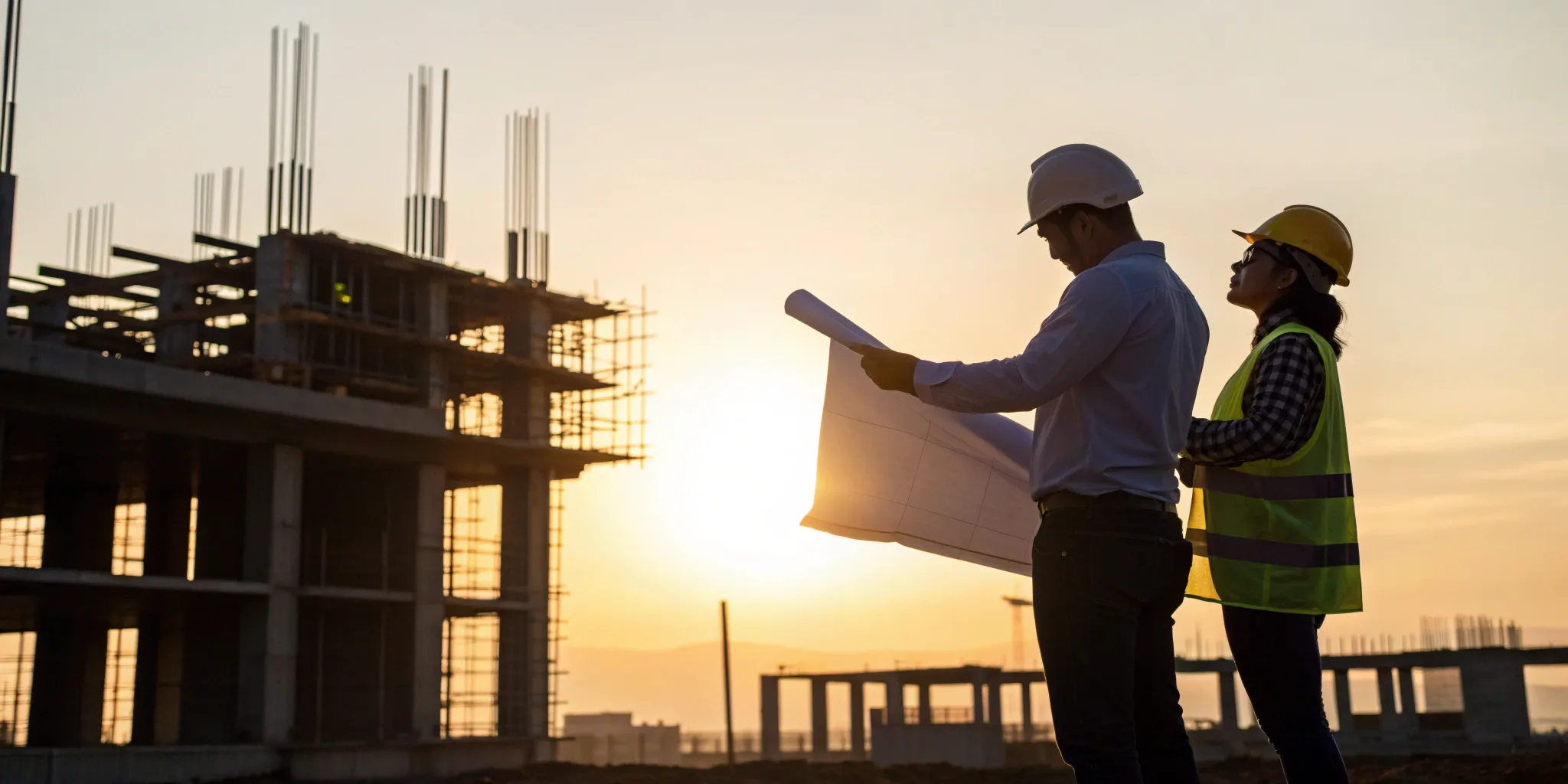
When you’re managing a new development, the last thing you need is to play mediator between your architect and your general contractor. Yet, in the traditional construction model, that’s often the reality. Delays, budget overruns, and costly change orders frequently stem from the gap between design and execution. This is where the design-build model changes the game entirely. Instead of juggling separate contracts and siloed teams, you work with a single, unified partner who is accountable for your project from the first sketch to the final handover. This article breaks down how design building construction works, what its real-world benefits are, and how to decide if this integrated approach is the right strategic move for your next project.
Key Takeaways
- Simplify Accountability with One Team: Design-build combines your architect and builder into a single entity under one contract. This eliminates finger-pointing between separate firms and places full responsibility for the project's success on your chosen partner.
- Accelerate Timelines and Protect Your Budget: This model allows construction to start while design is still being finalized, getting your project completed and generating revenue sooner. Early collaboration ensures your project is planned for cost-efficiency from day one, preventing expensive changes later.
- Prioritize Partnership in Your Selection Process: Your project's success depends on the firm you choose. Look beyond the price and evaluate a potential partner's relevant experience, communication style, and financial stability to ensure you have a trusted expert guiding your investment.
What Is Design-Build Construction?
Let's start with the basics. Design-build is a project delivery method that streamlines the entire construction process from concept to completion. Instead of juggling separate contracts with architects, engineers, and contractors, you work with a single, unified team under one contract. This team is responsible for everything—from the initial sketches and blueprints to the final construction and handover. Think of it as having one dedicated partner who manages both the design and the build, ensuring everyone is on the same page from day one.
This approach is fundamentally different from the traditional model where design and construction are siloed. By bringing designers and builders together at the very beginning, design-build fosters a collaborative environment where creative solutions and practical construction insights merge. This synergy not only simplifies communication but also creates opportunities for innovation, cost savings, and a much smoother project experience for you, the owner. It’s about transforming the construction journey into a more efficient, transparent, and cohesive process.
One Team, One Contract
The core of the design-build model is its single-contract structure. Traditionally, an owner would first hire an architect to design the project and then put that design out to bid for general contractors. This creates two separate contracts and two separate points of responsibility. With design-build, you have one contract with one firm that covers both design and construction services. This single point of accountability is a game-changer. If an issue comes up, there’s no finger-pointing between the designer and the builder. The design-build team owns the entire project, from the quality of the drawings to the final nail, making problem-solving faster and more effective.
An Integrated Approach to Building
Because the design and construction teams are part of the same entity, they can work together from the project's inception. This integrated approach means construction planning can begin while the design is still being finalized, allowing for overlapping phases that can significantly shorten the project timeline. It also means that builders provide real-world cost and feasibility feedback during the design phase, preventing expensive surprises down the road. This collaborative spirit is all about aligning everyone toward a common goal: delivering a successful project that meets your vision, budget, and schedule. It reduces your risk as the owner because one team is responsible for delivering the final construction outcome.
How Is Design-Build Different from Traditional Methods?
When you’re planning a new development, the construction method you choose sets the tone for the entire project. The main difference between design-build and more traditional approaches comes down to one thing: integration. Instead of treating design and construction as separate, sequential steps, design-build brings them together under one roof from the very beginning.
The most common traditional method is called Design-Bid-Build. If you’ve managed a project this way, you know the drill: you hire an architect to create a full set of plans, then you put those plans out to bid and select a contractor to build it. It’s a linear process that keeps the design and construction teams in separate silos.
Design-build flips that model on its head. It’s a collaborative approach where designers, engineers, and builders work as a single team, unified by one contract with you, the owner. This fundamental shift changes everything from the contract structure and project timeline to the way your team communicates and solves problems. It’s less about passing a baton from one phase to the next and more about everyone running the race together.
Design-Build vs. Design-Bid-Build
The traditional Design-Bid-Build process is sequential. First, you hire a design firm. Once the design is 100% complete, you solicit bids from general contractors. Finally, you award the project to a builder, who then executes the plans. This creates three distinct phases with separate teams, which can sometimes lead to friction if issues arise during construction. The designer might blame the builder for misinterpreting the plans, and the builder might blame the designer for creating a flawed design.
In a design-build model, you hire a single company to handle both design and construction. This means the architect and contractor are on the same team from day one, working together to balance design, budget, and schedule. This unified approach streamlines accountability, as one entity is responsible for the entire project.
Comparing Contract Structures
The biggest structural difference lies in the contracts. With Design-Bid-Build, you manage at least two separate contracts: one with your architect and another with your general contractor. This places you in the middle, responsible for coordinating between two independent entities. If a conflict arises, it’s often up to you to mediate and find a solution.
Design-build simplifies this dramatically by using a single contract between you and the design-build firm. This one agreement covers everything from initial sketches to final construction, creating a single point of responsibility. You have one team to talk to and one firm accountable for delivering on your vision, budget, and timeline. This clarity removes ambiguity and reduces your administrative burden throughout the project.
A Look at Timelines and Processes
Because Design-Bid-Build is a linear process, one phase can’t start until the previous one is completely finished. Construction can’t begin until the design is finalized and the bidding process is over. This rigid, step-by-step approach can add significant time to the project schedule.
Design-build allows for a much faster timeline because the design and construction phases can overlap. This is often called "fast-tracking." For example, the team can break ground and start foundation work while the architects are still finalizing interior design details. This integrated workflow allows for a more efficient project delivery. For you, that means your building is completed and ready for occupancy sooner, allowing you to start generating revenue faster.
What Are the Real Benefits of Design-Build?
When you move past the diagrams and contracts, the design-build model delivers tangible advantages that directly impact your bottom line and project timeline. By uniting the design and construction phases under one roof, this approach streamlines the entire process from initial concept to final handover. For developers, investors, and property owners, this integration isn't just a matter of convenience—it's a strategic move that offers greater control, predictability, and efficiency. The result is a smoother project journey with fewer headaches and a better final product. Let’s look at the specific benefits you can expect.
Control Costs and Protect Your Budget
In a traditional construction model, cost overruns often happen when the built reality clashes with the architectural plans. With design-build, your builder is involved from the very beginning, providing real-world cost feedback during the design phase. This integration means the team can offer valuable insights into cost-effective solutions and materials before plans are finalized, preventing expensive changes down the road. Because one entity is responsible for the entire project, you get a clearer, more reliable budget upfront. This single point of responsibility eliminates the finger-pointing that can lead to unexpected expenses, giving you greater financial certainty and protecting your investment.
Finish Your Project Faster
Time is money, especially in development. The design-build process allows for overlapping project phases, a practice often called "fast-tracking." Instead of waiting for 100% complete design documents before breaking ground, the team can begin site work and foundations while the final interior details are still being drawn up. This parallel workflow significantly shortens the overall project schedule. In fact, studies show that design-build projects are, on average, completed faster than those using traditional methods. For you, this means opening your doors sooner, generating revenue earlier, and achieving a quicker return on your investment.
Simplify Communication with a Single Point of Contact
Juggling communication between an architect, an engineer, and a general contractor can feel like a full-time job. The design-build model simplifies everything by giving you a single, unified team to work with. You have one contract and one primary contact who is accountable for every aspect of the project, from design and permitting to construction and quality control. This streamlined communication reduces the risk of misunderstandings, ensures everyone is aligned on project goals, and makes the entire process more transparent. When you have a question or need to make a decision, you know exactly who to call to start the conversation.
Foster Collaboration and Innovation
When designers and builders work for different companies, their goals can sometimes be at odds. Design-build puts everyone on the same team, fostering a collaborative environment where innovation can thrive. Architects can work directly with construction experts to solve challenges creatively, ensuring that ambitious designs are also practical and buildable. This team alignment means that key design elements are prioritized throughout the value engineering process, not sacrificed. The result is a better building that balances aesthetic vision with functional performance and budget realities.
Minimize Project Risks
In any construction project, risk is a major concern. The traditional design-bid-build method can leave owners caught in the middle of disputes between the designer and the contractor. With design-build, the responsibility for both design and construction rests with a single firm. This means the design-build entity assumes the risk for any errors or omissions in the plans, as they are responsible for both creating and executing them. This structure significantly reduces the potential for conflicts, change orders, and costly litigation, providing you with a more predictable and secure project outcome. You can see the results of this low-risk approach in successfully completed commercial projects.
What Does a Design-Build Project Look Like?
The design-build process is a streamlined journey from concept to completion, built on a foundation of partnership and clear communication. Instead of juggling separate contracts for architects and builders, you work with a single, unified team from day one. This integrated approach keeps everyone aligned on your vision, budget, and timeline. The process generally unfolds in four key phases, ensuring that every decision is made with both design intent and real-world constructability in mind. This method transforms the complex task of construction into a more predictable and collaborative experience, giving you a clearer path to a successful project.
Selecting Your Team
The first step is choosing the right design-build partner. This decision is about more than just finding the lowest price; it’s about finding a team that understands your vision and has the experience to bring it to life. You’ll want to evaluate potential firms based on their portfolio of similar projects, their financial stability, and their approach to collaboration. A great design-build partner acts as your trusted advisor, guiding you through the process and ensuring your goals are met. They become an extension of your own team, dedicated to delivering a final product that aligns perfectly with your business objectives and budget.
Planning and Developing the Design
Once you have your team, the collaborative planning begins. This is where the magic of design-build really happens. Your contractor, designers, and key subcontractors all work together from the start. As the architectural plans develop, the construction experts provide real-time feedback on costs, materials, and scheduling. This continuous review process catches potential issues early, long before they can become expensive problems on site. Everyone is focused on the same goal: creating a functional, high-quality design that can be built efficiently and within your budget. This teamwork ensures the final construction documents are practical and ready for a smooth build.
Executing the Build and Ensuring Quality
With a solid, vetted plan in place, construction can begin. Because the build team was involved in the design phase, they have a deep understanding of the project’s specifics and can get to work without delays. Your design-build firm manages all aspects of the construction, from scheduling trades to procuring materials and ensuring quality control. Since one company is responsible for both design and construction, there’s no finger-pointing if challenges arise. The team is fully accountable for delivering on the project’s promise, handling the complexities so you can focus on your business. This single point of responsibility is key to minimizing your risk.
Completing the Project and Handover
As construction wraps up, the design-build team prepares for a seamless handover. This final phase includes thorough inspections, system commissioning, and compiling all necessary documentation, like warranties and maintenance manuals. Because one team has managed the entire process, the information is organized and complete. They will often provide training for your staff on how to operate and maintain the new facility’s systems. The goal is to hand you the keys to a building that is not only finished to the highest standard but is also ready for immediate and efficient operation, setting you up for long-term success.
Are There Any Downsides to Design-Build?
Like any construction method, design-build has its own unique structure and trade-offs. It’s not about being better or worse, but about being the right fit for your project’s goals. The potential challenges of design-build often come down to a shift in process and mindset compared to traditional methods. Instead of seeing them as downsides, it’s more helpful to view them as differences you can prepare for.
The biggest factor for success in a design-build project is choosing the right partner from the very beginning. When you have a team with a proven track record and a commitment to transparency, these potential hurdles become non-issues. The entire model is built on a foundation of trust and collaboration, so your relationship with your design-builder is what ultimately defines the experience. With the right team in your corner, the process feels less like a risk and more like a strategic advantage for getting your project built on time and on budget.
Understanding the Bidding Process
In a traditional design-bid-build model, you get competitive bids from multiple general contractors based on a fully completed design. With design-build, the process looks different. Since you hire a single firm to handle both design and construction, there isn't a phase where multiple companies bid on the entire project scope. This can feel like you’re losing out on the competitive bidding process.
However, the competition simply shifts to an earlier stage. You are competitively selecting a design-build partner based on their qualifications, experience, and approach. Once selected, your design-build firm works with you to get competitive bids from subcontractors and suppliers. This ensures you still receive fair market pricing for materials and labor, but with the added benefit of having your builder’s expertise during the design phase to guide cost-effective decisions.
A Different Approach to Design
Some owners worry that integrating the designer and builder on one team might compromise the architectural vision. The concern is that the builder’s focus on cost and schedule could overshadow creative design elements. In reality, a well-managed design-build process does the opposite. It ensures that the design is grounded in practicality from the start.
This collaborative environment brings construction expertise into the earliest design conversations, preventing situations where a beautiful design ends up being too expensive or complex to build. The team works together to find innovative solutions that honor the project’s aesthetic goals while adhering to the budget. This alignment ensures that the most important design elements are protected and prioritized throughout the entire value engineering process, not cut later to save money.
Keeping Everyone on the Same Page
Having a single point of contact is a major benefit of design-build, but it can also feel like you’re putting all your eggs in one basket. Without separate contracts for the architect and the contractor, where are the checks and balances? This is where the importance of choosing a reputable partner comes into play. A trustworthy design-build firm acts as your advocate, taking full ownership of the project from concept to completion.
Instead of managing multiple parties who might blame each other when problems arise, you have one team accountable for the final outcome. This structure streamlines communication and makes problem-solving far more efficient. Your design-builder is responsible for coordinating everything and ensuring the project is built correctly, saving you the headache of mediating between different teams. Our integrated capabilities at Pillars of Seven are built to provide exactly this kind of seamless oversight.
Common Myths About Design-Build, Busted
The design-build model has gained a lot of traction, but with that comes a few misunderstandings. If you’ve heard things that make you hesitant, let’s clear the air. Many common concerns are based on outdated ideas or a misunderstanding of how an integrated process actually works. When you have a skilled team leading the way, design-build is a transparent and efficient method for getting projects done right.
Let's break down some of the biggest myths and look at the facts.
Myth: It Sacrifices Quality for Speed
It’s easy to assume that a faster timeline means cutting corners, but with design-build, the opposite is true. The speed comes from efficiency, not shortcuts. Because the design and construction teams work together from day one, they can identify potential issues, refine the design for buildability, and order long-lead materials earlier. This collaborative approach means quality is built into the process from the start. The builder provides real-world feedback on materials and methods during the design phase, ensuring the final plans are both innovative and practical, which prevents costly changes and rework down the line.
Myth: The Owner Loses Control
Some developers worry that handing everything over to one firm means giving up their say. In reality, a well-run design-build project keeps the owner at the center of the process. You have a single point of contact responsible for everything, which simplifies communication and makes you an integral part of the team. Instead of juggling separate contracts and mediating between the architect and builder, you’re involved in collaborative decisions from the initial concept to the final walkthrough. This structure gives you more direct influence over the project’s direction and ensures your vision is executed faithfully.
Myth: It Only Works for Certain Projects
While design-build is a popular choice for private commercial projects, its flexibility makes it suitable for a huge range of developments. This method is successfully used for everything from complex industrial facilities and multifamily housing to hospitality venues and storage facilities. In fact, many public and government organizations are also adopting design-build for its efficiency and cost-effectiveness. The principles of collaboration and integration can be applied to almost any project, regardless of size or complexity. Our own portfolio of projects shows just how versatile this delivery method can be.
Who Is Design-Build a Good Fit For?
Design-build isn't a one-size-fits-all solution, but its integrated approach offers significant advantages for specific project types. If your priorities are speed, budget certainty, and streamlined communication, this model is likely a strong contender for your next development. It’s particularly effective for clients who want a collaborative partner to manage the entire process from concept to completion, allowing them to focus on the bigger picture. Let’s look at the sectors where design-build truly shines.
Commercial and Industrial Developers
For commercial and industrial developers, time and money are the most critical metrics. The design-build model is structured to protect both. With this approach, one team handles both design and construction under a single contract, eliminating the lengthy and often contentious bidding process that can stall a project before it even begins. This unified structure means fewer change orders, better cost control, and a more predictable schedule. Whether you're building a large-scale warehouse, a flexible office space, or a retail center, having one point of contact simplifies decision-making and keeps the project moving forward efficiently, getting your property operational and generating revenue faster.
Multifamily and Housing Projects
In the competitive multifamily market, speed to market is everything. Every month spent in construction is a month of lost rental income. Design-build directly addresses this by compressing project timelines. Because the design and construction phases overlap, work can begin on-site while final design details are still being refined. This approach can result in projects being completed significantly faster than those using traditional methods, giving owners a quicker return on their investment. This accelerated schedule allows you to start leasing units sooner, making it an ideal choice for developers focused on maximizing profitability in apartment, condo, and other housing projects.
Storage and Warehouse Facilities
Storage and warehouse projects are often driven by function, budget, and durability. The design-build process excels here by providing a single point of accountability for the entire project. Instead of managing separate contracts with an architect and a builder, you have one dedicated partner responsible for the outcome. This integration improves project efficiency and reduces risks for the owner, as there’s no opportunity for finger-pointing between separate design and construction firms. The collaborative nature of design-build also allows for value engineering from the very beginning, ensuring the final facility is cost-effective, durable, and perfectly suited to its operational needs.
Hospitality and Mixed-Use Developments
Complex projects like hotels, resorts, and mixed-use properties involve intricate systems, detailed brand standards, and coordination between many stakeholders. The collaborative approach of design-build is a major advantage here. It allows for a phased construction process where foundational work can start before every interior design detail is finalized. This ability to fast-track the project schedule is invaluable for complex builds. With the builder involved from the initial design phase, potential construction challenges can be identified and solved on paper, not on-site, saving time and preventing costly rework. This ensures your vision is realized without compromising your budget or timeline.
How to Choose the Right Design-Build Partner
The success of your design-build project hinges almost entirely on one thing: the partner you choose. Since you’re handing over control of both design and construction to a single entity, you need to be sure they’re the right fit. This isn’t just about finding a contractor who can execute a plan; it’s about finding a true partner who understands your vision, respects your budget, and has the expertise to bring it all to life. A great design-build firm acts as an extension of your own team, guiding you through every decision with transparency and skill. They become your single point of contact, which simplifies everything but also raises the stakes for making the right choice upfront.
Choosing a design-build team is a significant commitment. You're not just hiring a builder; you're selecting the team that will shape your investment from a concept into a tangible asset. The right partner will streamline the process, solve problems before they impact your timeline, and ultimately deliver a higher quality result. It's crucial to look beyond the bid price and evaluate their holistic capabilities, from their communication style to their financial health. Let's walk through the key areas to focus on to ensure you select a firm that will set your project up for success from day one.
Review Their Experience and Portfolio
A firm’s track record is the best predictor of future performance. Don’t just take their word for it—ask to see their work. Look for a diverse portfolio that includes projects similar to yours in scale, complexity, and market sector, whether it's multifamily, commercial, or industrial. When you find a team with relevant experience, you’re not just hiring builders; you’re gaining partners with proven problem-solving skills for your specific type of project. Don't focus only on the lowest price. Instead, value the team's experience and skills to ensure a better quality project and a smoother process from start to finish.
Assess Their Financial Stability
This step is non-negotiable. A design-build partner with a shaky financial foundation puts your entire project at risk. Before signing a contract, do your due diligence to confirm their stability. You can request to see financial statements, talk to their banking partners, and check their payment history with subcontractors and suppliers. A financially healthy firm can secure the best materials and talent, manage cash flow effectively, and weather unexpected challenges without causing delays or placing liens on your property. It’s a crucial check that protects your investment and ensures your project stays on track.
Understand Their Approach to Communication
The design-build model thrives on collaboration, and that’s impossible without clear, consistent communication. Ask potential partners to walk you through their communication plan. How often will you have meetings? Who will be your dedicated point of contact? What systems do they use to keep you updated on progress, budget, and key decisions? A great partner will have a structured approach that ensures everyone is on the same page. They should foster an environment where you feel comfortable asking questions and confident that you’re always informed. This focus on teamwork is what makes the design-build method so effective at delivering successful projects.
Check Their Project Management Capabilities
A beautiful design is only as good as the team executing it. Your design-build partner must have robust project management systems in place. Inquire about the tools and software they use for scheduling, cost tracking, and quality control. How do they manage subcontractors and ensure everyone adheres to the timeline and safety standards? A firm with strong construction management capabilities will provide clear documentation, proactive scheduling, and transparent reporting. This operational excellence is what keeps a project moving forward efficiently, preventing costly delays and ensuring the final product meets your exact specifications.
How Design-Build Stacks Up Against Other Methods
Choosing a project delivery method is one of the most critical decisions you'll make. While traditional models have their place, design-build offers a unique blend of efficiency, collaboration, and accountability that sets it apart. Understanding how it compares to other common approaches, like Construction Management and Integrated Project Delivery, can help you see why it’s become a preferred method for so many developers and investors.
The main difference comes down to contracts and communication. With other methods, you might find yourself managing multiple contracts and acting as the go-between for your architect and builder. This can create friction, delays, and blame-shifting when problems arise. Design-build streamlines everything under a single contract, creating a unified team that is collectively responsible for the project's success from start to finish. This structure naturally aligns everyone’s goals with yours: delivering a high-quality project on time and within budget.
Compared to Construction Management
In a Construction Management (CM) arrangement, you hire a designer and a contractor under separate contracts, and a construction manager acts as your advisor. While the CM provides expertise, you still hold the risk associated with the design and construction contracts. If a design flaw leads to a construction issue, it can result in disputes between the architect and the contractor, with you caught in the middle.
Design-build eliminates this conflict. Because one entity is responsible for both design and construction, there’s no finger-pointing. The team works together from day one to solve problems, value-engineer solutions, and ensure the design is buildable within your budget. This single point of responsibility is one of the most significant advantages of design-build, simplifying your role and protecting you from the risks of managing separate parties.
Compared to Integrated Project Delivery
Integrated Project Delivery (IPD) is another collaborative model, but it takes integration a step further by joining the owner, architect, and contractor under a single, multi-party agreement. In an IPD model, all key stakeholders share the risks and rewards of the project. While this fosters a high level of teamwork, the legal and administrative setup can be complex and is often better suited for large, highly sophisticated projects.
Design-build offers a similar collaborative environment without the contractual complexity of IPD. You get the benefit of an integrated team working toward a common goal, but within a more straightforward two-party contract between you and the design-build firm. This makes it a more accessible and practical approach for many commercial, multifamily, and industrial projects, providing the collaborative benefits you want with a structure you can easily manage.
Is Design-Build the Right Choice for You?
Deciding on a construction delivery method is a major step. While design-build offers significant benefits, the best choice always comes down to the specific needs of your project and your team. If you’re weighing your options, thinking through a few key areas can bring a lot of clarity. Answering these questions will help you determine if the integrated, collaborative nature of design-build aligns with your goals for your next commercial, multifamily, or industrial development.
Consider Your Project Type
Design-build is incredibly versatile and has been used successfully for everything from complex industrial facilities to multifamily housing and hospitality projects. It’s not limited to a specific niche. The real question is less about the type of building and more about the complexity and goals of the project. If you’re developing a project where close coordination between the design and construction teams is critical for success—like a specialized storage facility or a mixed-use commercial space—design-build is an excellent fit. This method thrives when innovation, problem-solving, and efficiency are key drivers from day one.
Align with Your Budget and Timeline
If sticking to a firm budget and a tight schedule are your top priorities, design-build is hard to beat. Because the design and construction teams work together from the start, they can identify cost-effective solutions and materials early in the process, preventing costly changes down the road. This integrated approach also streamlines the entire project timeline. With design and construction phases overlapping, decisions are made faster, and work can begin sooner. Research shows that design-build projects are often completed significantly faster than those using traditional methods, allowing you to see a return on your investment sooner.
Decide How Involved You Want to Be
The design-build model is built on partnership. It’s not a hands-off process; instead, it invites you, the owner, to be an active and engaged member of a unified team. If you value being part of the conversation and want a direct line of communication for the entire project, this method is ideal. The focus is on solving problems as a team to achieve a shared goal: a successful project that meets your vision. This collaborative environment ensures your input is heard and integrated from the initial design concepts all the way through to the final handover, giving you a meaningful role in shaping the outcome.
Related Articles
Frequently Asked Questions
How can I be sure I'm getting a fair price without a traditional, multi-bid process? This is a great question because it gets to the heart of how value is created in design-build. Instead of competing on a finished design, the competition happens earlier when you select your design-build partner. Once you choose a firm, they work with you to get competitive bids from their network of trusted subcontractors and suppliers for every part of the job. This means you still benefit from market pricing, but with the added advantage of having your builder’s expertise to guide cost-effective decisions during the design phase, which prevents expensive surprises later on.
Will I have less control over the architectural design in a design-build project? Not at all. In fact, many owners find they have more meaningful control. In a traditional process, you approve a design and then hope it can be built on budget. With design-build, you are a central part of a collaborative team where designers and builders work together from the start. This ensures the architectural vision is grounded in real-world constructability and budget realities from day one, protecting your most important design elements from being cut later to save money.
What happens if there's a disagreement between the design and construction teams? This is one of the biggest advantages of the design-build model. Since the architect and builder are part of the same unified team under one contract, there is no finger-pointing. The design-build firm is solely accountable for both the design and its execution. Any issues are resolved internally by the team, who are all working toward the same goal. This eliminates the risk of you being caught in the middle of disputes, saving you time, money, and a lot of headaches.
Is design-build a good fit for smaller projects, or is it only for large-scale developments? While design-build is perfect for large, complex projects, its principles of efficiency and collaboration are just as valuable for smaller ones. The benefits of a streamlined timeline, cost certainty, and a single point of contact apply to projects of any size. Whether you're building a single storage facility or a large multifamily complex, the integrated approach helps ensure a smoother process and a more predictable outcome.
What is the single biggest reason developers choose design-build? If I had to boil it down to one thing, it would be certainty. Design-build delivers greater certainty over your final costs, your project schedule, and the quality of the finished building. By integrating the design and construction phases, you minimize the risks of budget overruns, costly delays, and conflicts between different teams. This allows you to move forward with your development with a much higher degree of confidence.
About the Author

Tomer Benshushan is a seasoned general contractor and developer with over a decade of experience leading large-scale commercial and multifamily construction projects across Texas and beyond. As founder of Pillars of Seven, he specializes in ground-up development, restoration, and design-build execution for multifamily, warehouse, and storage facilities. Tomer is known for his hands-on approach, attention to detail, and commitment to delivering high-quality builds that balance design, efficiency, and long-term performance.