How to Hire a General Contractor in Houston
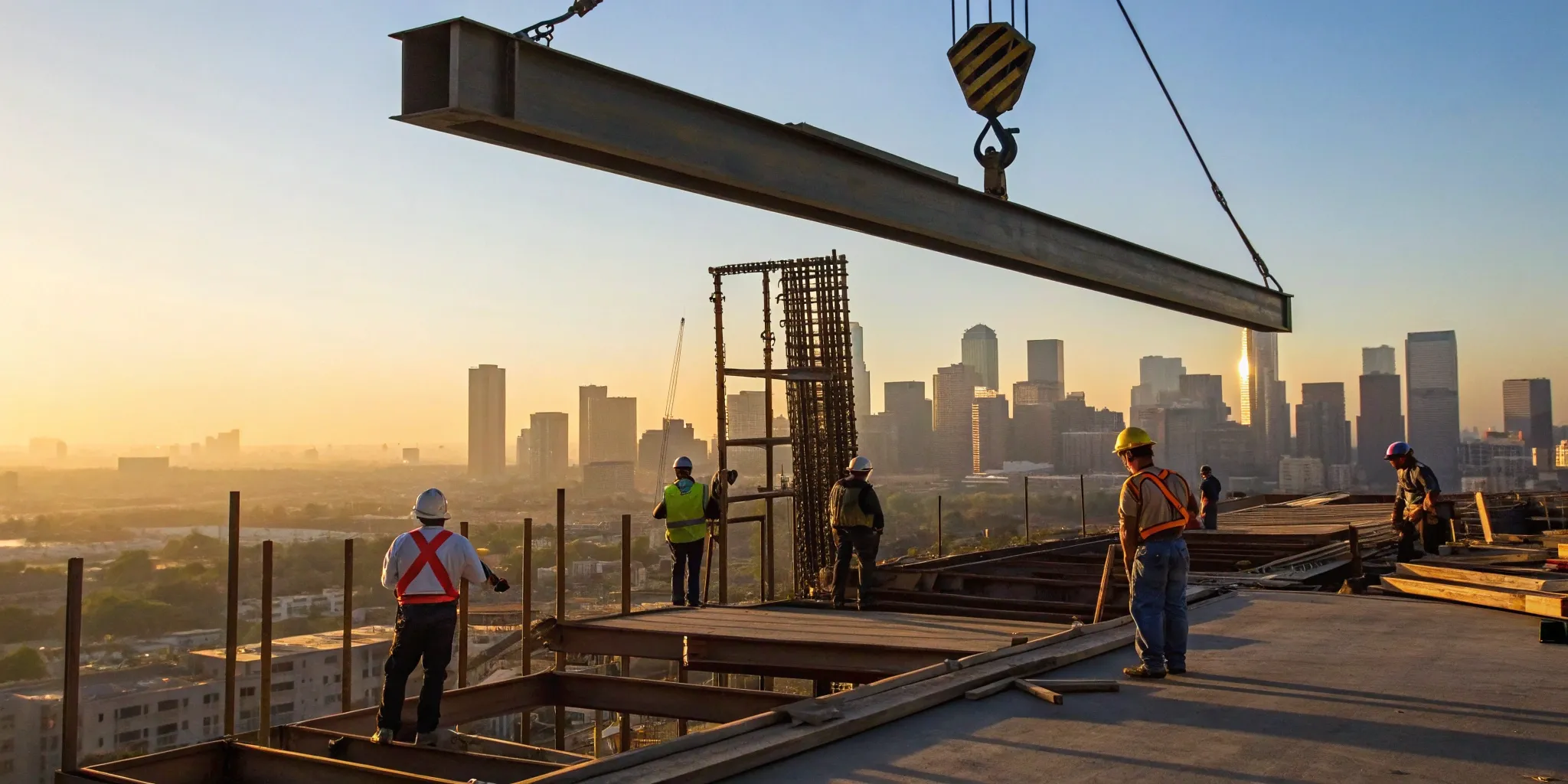
The Houston development scene is full of opportunity, but it also has its own unique set of rules and challenges. From specific building codes to a distinct network of subcontractors and suppliers, local knowledge is non-negotiable for a successful project. A builder who doesn't understand the intricacies of this market can quickly run into costly delays and compliance issues. That’s why selecting a general contractor houston with deep local roots and a proven track record in the area is so important. They bring more than just construction skills; they bring invaluable insight that can save you time and money. This article will guide you through finding a partner with the right blend of technical expertise and local intelligence.
Key Takeaways
- Protect Your Project with Thorough Vetting: Before making a decision, verify a contractor's license and insurance, review a portfolio of projects similar to yours, and always call their recent client references for an honest assessment of their work.
- Demand Transparency in Communication and Contracts: A reliable partner provides a detailed contract that clearly outlines the scope, timeline, and payment schedule. They should also establish a clear communication plan to keep you informed every step of the way.
- Understand That the Lowest Bid Is Rarely the Best Value: An unusually low bid can be a major red flag, often leading to subpar materials, unexpected change orders, and costly delays. A realistic, detailed proposal is a better indicator of a project that will stay on budget.
What to Expect from a Houston General Contractor
Partnering with the right general contractor in Houston is about more than just getting a building constructed; it’s about forming a professional relationship built on trust, transparency, and shared goals. A top-tier contractor acts as your project’s central command, guiding it from concept to completion. They bring order to the complexity of construction, ensuring every decision aligns with your vision and budget. When you engage a reputable firm, you’re not just hiring a builder—you’re securing a dedicated partner invested in your success. Here’s a clear breakdown of what you should expect from them.
Comprehensive Project Management
Your general contractor is the conductor of your project's orchestra. You should expect them to manage every detail, from coordinating subcontractors to ensuring materials arrive on time and quality standards are met. This isn't just about ticking boxes on a checklist; it's about proactive problem-solving and maintaining momentum to keep your project on schedule and within budget. A competent GC provides a single point of contact and accountability, simplifying communication and giving you a clear view of progress. They handle the day-to-day logistics so you can focus on the bigger picture of your investment.
Design-Build Expertise
Look for a contractor with a strong design-build background. This integrated approach streamlines the project by uniting the design and construction teams from the very beginning, which often leads to significant cost and time savings. A contractor with this expertise can offer smart value engineering solutions before you even break ground. They should be able to show you a portfolio of past work that demonstrates their ability to successfully manage projects similar to yours. This track record is your best indicator of their ability to deliver a high-quality result efficiently.
Commercial Renovations and Build-Outs
Houston has its own set of building codes and regulations, and your general contractor must be well-versed in these local requirements to avoid costly delays. They should also have a deep network of trusted, high-quality subcontractors who are familiar with the area. This local knowledge is especially critical for commercial renovations and build-outs, where adapting to existing structures requires specific expertise and a nimble team. An experienced GC will know how to work within occupied spaces to minimize disruption and complete the project smoothly.
Specialized Construction Services
Every commercial project has unique demands. Whether you're building a multifamily complex, a self-storage facility, or a hospitality venue, your contractor should offer specialized construction services tailored to your industry. This ensures they understand the specific challenges and success factors for your asset type, from material selection to final finishes. A financially stable firm with deep expertise provides peace of mind that your investment is in capable hands. This specialization is a key sign that they have the resources and knowledge to handle your project with professionalism.
How to Find and Vet the Right General Contractor in Houston
Houston is a hub of development, which means you have plenty of general contractors to choose from. But that volume can make it tough to find a true partner who understands your vision and can deliver on time and on budget. The right GC does more than just build; they problem-solve, communicate clearly, and protect your investment. Vetting potential contractors is the most critical step in ensuring your project’s success. Here’s a straightforward process to help you identify the best team for the job.
Verify Their Credentials and Insurance
First things first: cover your bases. Any professional general contractor in Texas should be fully licensed, bonded, and insured. Don't hesitate to ask for proof of their general liability and worker's compensation insurance. This isn't just a formality—it’s your project's primary protection against liability and unforeseen costs. A trustworthy contractor will provide this documentation proactively. This initial check sets the tone for transparency, a quality you'll want throughout the entire project. You can also verify their business standing and any registered complaints through state resources.
Read Online Reviews and Check Ratings
While word-of-mouth is valuable, online reviews provide a broader picture of a contractor's reputation. Look at Google reviews, industry publications, and even the Better Business Bureau to see what past clients are saying. Pay attention to how the company responds to both positive and negative feedback. Beyond reviews, it's smart to request at least three detailed bids for your project. Comparing bids helps you establish a fair market price and spot any outliers. Just make sure each bid is based on an identical scope of work for an accurate comparison.
Tap into Local Construction Associations
For another layer of vetting, look to Houston’s professional construction organizations. Groups like the Associated General Contractors (AGC) Houston Chapter have member directories filled with established firms that adhere to industry standards. Membership in these associations often signals a contractor's commitment to professionalism, safety, and ongoing education. It’s a great way to find firms that are respected by their peers and deeply invested in the local industry. This approach can help you find contractors who are not just competent, but are also leaders in the Houston market.
Ask to See Their Portfolio
A contractor’s past work is the best predictor of their future performance. Ask to see a portfolio of their completed projects, paying close attention to those that are similar to yours in scale and complexity. If you’re developing a multifamily property, you want a GC with a proven track record in that specific area. A strong portfolio of projects demonstrates their capabilities and quality of work. Don’t just look at the photos—ask about the challenges of each project and how they were solved. Finally, request a list of recent client references and actually call them. Hearing directly from a past client is one of the most valuable insights you can get.
Common Red Flags When Evaluating Houston Contractors
Choosing the right general contractor is one of the most critical decisions you'll make for your project. While Houston has many skilled and reputable builders, it's just as important to know how to spot the ones who might cause problems down the road. A great partner will feel like a true extension of your team, but the wrong one can derail your timeline, break your budget, and create endless headaches.
Think of the vetting process as building the foundation for your project's success. Paying attention to how a potential contractor operates during these early stages gives you a clear preview of what it will be like to work with them. Trust your gut, but also be on the lookout for these specific warning signs. They can help you steer clear of unreliable partners and find a contractor who will bring your vision to life with professionalism and integrity.
Bids That Seem Too Good to Be True
We all want a great deal, but an unusually low bid in a stack of proposals should give you pause. When a contractor’s estimate is significantly lower than all the others, it’s rarely because they’ve discovered a secret to cutting costs. More often, it means they’ve either misunderstood the project scope, are using subpar materials, or plan to make up the difference later with a stream of expensive change orders. A quality contractor focuses on providing realistic, transparent pricing that reflects the true value of the work. A bid that seems too good to be true often is, and the initial savings can quickly disappear once the project is underway.
Missing Licenses or Insurance Gaps
This is a non-negotiable. Any professional general contractor operating in Houston must be able to provide proof of the proper licenses and insurance, including general liability and workers' compensation. If a contractor is hesitant to share these documents or can't produce them at all, walk away immediately. Working with an uninsured or unlicensed builder puts your entire project and investment at risk. You could be held liable for any accidents or property damage that occurs on-site. You can easily verify a contractor's license with the Texas Department of Licensing and Regulation to ensure you’re working with a legitimate and compliant professional.
Unresponsive Communication or Pressure Tactics
Pay close attention to how a contractor communicates during the bidding process. Are they responsive to your questions? Do they provide clear, thorough answers? A contractor who is difficult to get ahold of or evasive with details now will likely be even harder to work with once construction begins. Also, be wary of high-pressure sales tactics. A confident, reputable contractor will give you the space and information you need to make an informed decision. They won’t rush you into signing a contract or use limited-time offers to force your hand. The initial interactions should feel like the start of a professional partnership built on trust, not a transaction.
Vague Contracts or Demands for Large Upfront Payments
A contract is your project’s blueprint for success, and it should be incredibly detailed. A red flag is a vague agreement that lacks specifics on the scope of work, materials, timelines, and a clear payment schedule. This ambiguity leaves you vulnerable to disputes and unexpected costs. Similarly, be cautious of a contractor who demands a large percentage of the total project cost upfront. While a reasonable deposit is standard, an excessive down payment can indicate the company has cash flow issues or, in the worst-case scenario, could disappear with your money. A transparent partner will provide a detailed contract and a fair payment schedule tied to project milestones.
Key Questions to Ask Before Hiring a General Contractor
Once you have a shortlist of potential contractors, the interview process is your chance to dig deeper. Asking smart, specific questions helps you move beyond the sales pitch and understand how a firm truly operates. This is where you confirm if a contractor is the right partner to bring your vision to life. Think of it as a two-way interview—you’re evaluating them, and the best contractors are evaluating if your project is a good fit for their expertise.
What Is Your Experience with Projects Like Mine?
This question should be at the top of your list. Every type of commercial construction—from multifamily housing to industrial storage facilities—comes with its own set of challenges and requirements. You need a partner who has already solved the problems you’re going to face. Ask to see their project portfolio and look for work that mirrors your project’s scope, size, and complexity. A contractor with a proven track record on similar builds will have the right subcontractor relationships, understand the specific permitting hurdles, and be prepared for the unique demands of the job. Their experience is your project’s greatest asset.
How Do You Manage Project Timelines and Communication?
A detailed plan is great, but how a contractor communicates when things don't go according to plan is what truly matters. Ask about their communication protocols. Who will be your dedicated point of contact? How often can you expect updates? A reliable contractor is proactive and transparent, keeping you informed every step of the way, not just when there’s an issue. They should have a clear system for managing schedules and milestones. This commitment to open dialogue is a core part of how we thrive and is essential for building the trust needed for a successful partnership. You want a team that solves problems with you, not one that leaves you in the dark.
Can You Explain Your Fee Structure and Change Order Process?
Financial clarity is non-negotiable. Before signing anything, you need a complete understanding of the costs. Ask for a detailed breakdown of their bid, including all inclusions, exclusions, and allowances, so you can make a true apples-to-apples comparison. It’s also critical to discuss the change order process. Changes are almost inevitable in construction, but they shouldn’t derail your budget. A professional contractor will have a straightforward process for documenting, pricing, and approving any changes before work begins. This transparency protects your investment and prevents surprises down the line. When you're ready to discuss your project, we can walk you through our entire process when you start a project with us.
May I Contact Some of Your Recent Clients?
A confident contractor will be happy to provide references—if they hesitate, consider it a major red flag. Speaking with recent clients gives you unfiltered insight into their performance. Ask past clients about the contractor’s communication, their ability to stay on schedule and on budget, and how they handled challenges that arose during the project. Were they responsive? Was the quality of the finished work up to their standards? Would they hire them again? This step is one of the most effective ways to verify a contractor’s reputation and confirm that their promises align with their actual performance. It’s a crucial piece of due diligence before making your final decision.
Breaking Down the Costs of a Houston General Contractor
Understanding the financial side of a commercial construction project is crucial for keeping your development on track and on budget. While it’s tempting to focus solely on the bottom-line number of a bid, the real value comes from understanding how that number is calculated and what it includes. A transparent general contractor will walk you through their fee structure, potential cost drivers, and the fine print of your contract. This clarity not only builds trust but also protects your investment from unexpected expenses down the road. Let’s break down what you can expect when it comes to the costs of hiring a general contractor in Houston.
Common Fee Structures and Percentages
Most general contractors use a "cost-plus" model, where they charge for the actual cost of labor, materials, and subcontractors, plus a fee for their overhead and profit. This fee typically ranges from 10% to 20% of the total construction cost. This percentage covers the contractor's project management services, insurance, office staff, and the expertise required to orchestrate the entire build. For smaller jobs or consulting, some contractors may charge an hourly rate. When you receive a bid, make sure it clearly outlines this fee so you can accurately compare proposals and understand exactly what you’re paying for.
What Factors Drive Up Commercial Construction Costs?
Even the best-laid plans can face hurdles. Several factors can inflate your project's budget, including permitting delays, unforeseen site conditions, and sudden material price hikes. Unpredictable events like severe weather or supply chain disruptions can also impact timelines and costs. A seasoned general contractor anticipates these risks and builds contingencies into the schedule and budget. Their ability to problem-solve and manage these variables is a core part of their value. Proactive construction management is key to mitigating these issues before they become expensive problems, ensuring your project stays as close to the original budget as possible.
How to Read Your Contract and Payment Schedule
Your contract is the single most important document in your project. Before signing, make sure it clearly defines the full scope of work, payment terms, the change order process, and the project timeline. It’s wise to request at least three detailed bids to compare, ensuring each one is based on the identical scope of work. A vague contract is a major red flag. Your agreement should lock in key details, including named personnel and closeout requirements. The payment schedule should be tied to project milestones, not arbitrary dates, to ensure you only pay for completed work.
Why a Professional Contractor Is a Smart Investment
Choosing the cheapest bid can often be the most expensive mistake. A professional contractor is an investment in peace of mind and long-term quality. They provide value far beyond construction, offering expertise in value engineering, safety compliance, and subcontractor management. A reputable firm will be transparent, communicative, and eager to show you their portfolio of past projects. By handling the complexities of permitting, scheduling, and quality control, they save you time and prevent costly rework. Ultimately, the right partner ensures your project is built to last, protecting your asset for years to come.
Related Articles
- Houston Construction Management | Pillars of Seven
- Community Self Storage Project | Pillars of Seven
- Neighbourhood Storage Project | Pillars of Seven
- Community Self Rice Project | Pillars of Seven
Frequently Asked Questions
What's the real difference between a low bid and a competitive bid? A low bid often looks appealing on paper, but it can be a sign that something is missing, whether it's a misunderstanding of the project scope, the use of lower-quality materials, or inadequate insurance coverage. A competitive bid, on the other hand, reflects a realistic and comprehensive plan to deliver your project successfully. It's based on a thorough understanding of your goals and accounts for the true costs of skilled labor and quality materials, representing a genuine investment in a durable, high-quality outcome.
Can I still work with you if I've already hired an architect? Absolutely. While we offer integrated design-build services, we frequently partner with clients who already have their design team in place. In this scenario, we join the team as the construction expert, collaborating with your architect to review plans for constructability, identify potential cost savings, and ensure the design is executed flawlessly. Our goal is to create a seamless team that works together to bring your vision to life.
How involved do I need to be once the project starts? Your level of involvement is up to you, but our job is to manage the day-to-day complexities so you don't have to. We establish a clear communication rhythm from the start, with regular updates, site meetings, and progress reports to keep you fully informed. We handle the subcontractor coordination, scheduling, and problem-solving, bringing key decisions to you with clear information so you can provide direction without getting bogged down in the details.
Why is a contractor's local Houston network so important? A contractor's local network is one of their most valuable assets. Having deep roots in Houston means we have long-standing relationships with reliable subcontractors who we know will show up and do quality work. It also means we understand the nuances of working with local permitting offices and inspectors, which helps keep the project moving smoothly. This local knowledge prevents delays and ensures your project is built by a team that understands the specific demands of the Houston market.
What's the best way to handle changes or unexpected issues during construction? Changes are a natural part of any complex construction project. The key is to have a clear and transparent process for managing them. When an issue arises or a change is requested, we immediately communicate the potential impact on the budget and schedule. We then document the proposed solution in a formal change order, which you review and approve before any new work begins. This approach ensures there are no surprises and that you remain in full control of the project's direction and costs.
About the Author

Tomer Benshushan is a seasoned general contractor and developer with over a decade of experience leading large-scale commercial and multifamily construction projects across Texas and beyond. As founder of Pillars of Seven, he specializes in ground-up development, restoration, and design-build execution for multifamily, warehouse, and storage facilities. Tomer is known for his hands-on approach, attention to detail, and commitment to delivering high-quality builds that balance design, efficiency, and long-term performance.