The Guide to Multifamily Housing Construction
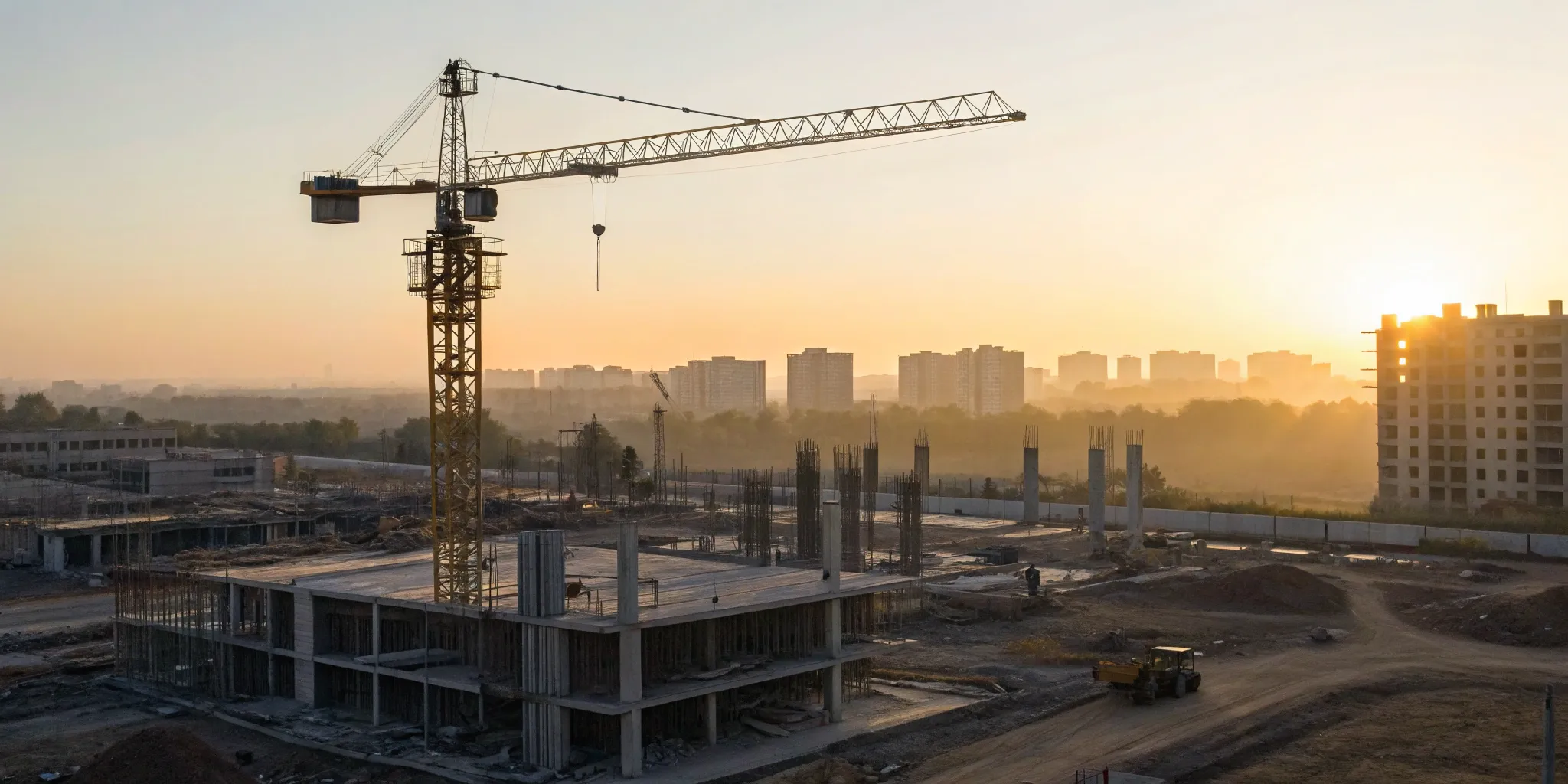
The demand for quality housing continues to grow, placing multifamily developments at the center of modern real estate strategy. For investors and developers, this isn't just about constructing buildings; it's about creating vibrant communities that meet the needs of a dynamic market. These projects are a direct response to economic trends and population growth, offering a stable and scalable investment. However, turning a promising piece of land into a thriving residential community requires a deep understanding of the entire development lifecycle. This article provides a comprehensive overview of multifamily housing construction, covering everything from market analysis and financing to project management and final delivery.
Key Takeaways
- Secure more reliable returns with multifamily assets: These projects create consistent cash flow and reduce risk by spreading income across many tenants, while centralized management lowers your per-unit operating costs.
- Vet your general contractor beyond the bid price: A successful project requires a partner with a portfolio of finished multifamily developments, a deep understanding of local codes, and a transparent system for managing budgets and schedules.
- Control your timeline and budget from day one: Mitigate common risks by focusing on pre-construction planning, including value engineering to optimize costs, establishing strict quality control checks, and using project management technology for full transparency.
What Is Multifamily Construction?
At its core, multifamily construction is the process of developing and building residential structures designed to house more than one family. Unlike single-family homes, these projects create multiple separate housing units within one building or a complex of buildings on a single piece of land. For developers and investors, this type of construction is a direct response to the housing needs of growing urban and suburban areas. It involves a deep understanding of zoning laws, site planning, and building codes to create communities that are both profitable and desirable places to live. From high-rise apartment towers in dense city centers to sprawling garden-style communities, multifamily projects are a cornerstone of modern real estate development.
Common Types of Multifamily Properties
When you think of multifamily housing, apartment buildings are probably the first thing that comes to mind, but the category is much broader. Multifamily homes include a variety of structures tailored to different lifestyles and markets. You have traditional apartments, condominiums where units are owned individually, and townhouses that offer a blend of single-family and communal living. There are also mixed-use developments, which are increasingly popular for combining residential units with commercial or retail spaces on the ground floor. Each type presents unique opportunities and requires a specific approach to design, construction, and management, allowing investors to target different demographics and community needs.
Understanding Market Demand and Growth
The demand for multifamily housing is closely tied to population growth and economic trends. In thriving cities, more people need places to live, which creates a high demand for new apartment buildings and residential complexes. This isn't a small niche; in 2019, multifamily units accounted for nearly a third of all homes in the U.S. For investors, understanding this market means watching key financial indicators. For example, apartment capitalization rates have seen significant fluctuations over the years, reflecting shifts in the broader economy. A successful project depends on building in a market with strong fundamentals and a clear need for new housing.
Why Invest in a Multifamily Construction Project?
For developers and investors looking to build a resilient portfolio, multifamily construction projects present a compelling opportunity. It’s not just about building apartments; it’s about creating a durable, income-generating asset designed for long-term growth. Unlike single-family rentals that depend on one tenant, a multifamily property establishes multiple revenue streams under a single roof. This structure provides a significant buffer against market fluctuations and vacancies, making it a more stable and predictable investment over time. When you partner with an experienced construction firm, you can turn a plot of land into a cornerstone of your financial strategy.
The appeal goes beyond just collecting rent. Multifamily developments benefit from powerful economies of scale, where managing one 50-unit building is far more cost-effective than managing 50 separate houses. From maintenance and landscaping to marketing and property management, centralizing operations saves considerable time and money, directly improving your net operating income. Furthermore, the inherent design of these properties helps spread out investment risk. We’ll explore the three core financial advantages that make multifamily construction a strategic choice for any real estate portfolio: the potential for steady cash flow, the benefits of scale, and built-in risk diversification.
The Potential for Steady Cash Flow
The most significant draw of a multifamily property is its ability to generate consistent, predictable income. With dozens or even hundreds of units paying rent each month, you create a reliable cash flow that can weather economic shifts. While a single vacancy in a single-family rental means a 100% loss of income, a vacancy in a 100-unit building is just a 1% dip. This stability makes the asset more attractive to lenders and partners. Of course, maximizing returns depends on your ability to accurately evaluate a property’s income potential and expenses from the start, which is why a detailed pro forma is critical during the planning phase.
The Advantages of Economies of Scale
Multifamily properties offer incredible operational efficiencies. Instead of managing scattered assets, you have one property with one roof, one foundation, and one set of shared amenities to maintain. This consolidation simplifies everything from repairs and landscaping to insurance and property taxes, lowering your per-unit operating costs. Marketing is also more streamlined, as you’re promoting one location instead of many. These economies of scale contribute to stronger profit margins and have given multifamily investments a proven long-term track record for delivering both current income and equity growth. This efficiency is a key reason why these projects are so scalable for growing portfolios.
How Multifamily Projects Diversify Risk
Every investment carries risk, but multifamily properties have a built-in defense mechanism: diversification. Because your income is spread across multiple tenants, the financial impact of a single vacancy is minimal. If one tenant moves out, you still have many others paying rent, which keeps your cash flow positive and covers your mortgage and operating expenses. This structure provides a level of security that single-family rentals simply can’t match. By spreading the risk across numerous units, you create a more resilient asset that can perform well in various market conditions. Understanding the key performance indicators for multifamily assets will help you monitor and maintain this stability over the long term.
What Are the Key Phases of Multifamily Construction?
Every successful multifamily project follows a structured path from concept to completion. While each development is unique, the construction process breaks down into four key phases. Understanding these stages helps you anticipate challenges, manage timelines, and work effectively with your construction partner to bring your vision to life. A clear roadmap ensures everyone is aligned, from the initial blueprint to the final walkthrough, turning a complex process into a series of manageable steps. By knowing what to expect at each turn, you can make informed decisions that protect your investment and keep the project moving forward.
Phase 1: Planning and Permitting
This is where your project moves from an idea to a concrete plan. This pre-construction phase involves everything from architectural design to securing financing. It’s also where you’ll navigate the first major hurdles: local zoning regulations and permitting processes. An experienced general contractor provides critical input here, helping you create a realistic budget and schedule that accounts for municipal requirements from day one. This proactive approach is essential for preventing costly delays before a single shovel hits the ground.
Phase 2: Site Prep and Foundation
Once permits are approved, work begins on site. This phase is about preparing the ground for vertical construction, including clearing the land, installing utilities, and pouring the foundation. The foundation is the literal base for your project, so precision is key. This is also the first stage where rising construction costs for materials and labor directly impact your budget. Careful cost management and a solid plan for site logistics are essential to keep the project on solid financial footing from the very start.
Phase 3: Structure and Systems
With the foundation in place, the building starts to take shape. This phase involves framing the structure, installing the roof, and putting in the essential mechanical, electrical, and plumbing (MEP) systems. It’s often the longest phase, requiring careful coordination of multiple subcontractors. Challenges like skilled labor shortages can create pressure here, making a proactive project manager invaluable. Their job is to keep everything moving smoothly, ensuring quality work while managing the schedule and supply chain effectively.
Phase 4: Finishes and Final Inspections
This is the final push toward the finish line. The focus shifts from the building’s core to its appearance and functionality. Crews install drywall, paint, lay flooring, and fit cabinets and fixtures. Outside, landscaping completes the property’s curb appeal. Timely completion is crucial to meet leasing goals and start generating revenue, especially as you work to meet market demands. The last step is a series of final inspections to obtain the Certificate of Occupancy, officially making the building ready for tenants.
How to Choose the Right Construction Partner
Your general contractor is more than just a builder; they are the partner who brings your vision to life. The success of your multifamily project—from staying on schedule to meeting your budget—hinges on this relationship. A great construction partner doesn't just follow blueprints; they anticipate challenges, offer creative solutions, and communicate clearly every step of the way. They become an extension of your team, dedicated to protecting your investment and delivering a high-quality asset.
Choosing the right firm means looking beyond the initial bid. You need a team with the right experience, deep local knowledge, and a proven process for managing complex projects. It’s about finding a partner you can trust to handle the day-to-day complexities of the job site so you can focus on the bigger picture. When you vet potential contractors, you’re not just hiring a service; you’re building the foundation for a successful and profitable development. The right choice will be evident in their portfolio, their process, and their commitment to safety and compliance.
Look for Proven Multifamily Experience
When you’re vetting a construction partner, start by looking at their portfolio of completed multifamily projects. A contractor with a deep resume in this specific sector understands the nuances that single-family or commercial builders might miss. They know how to manage the logistics of building multiple units simultaneously, the importance of durable materials that can handle tenant turnover, and the specific requirements for shared amenities like pools, gyms, and community spaces. This specialized experience translates into a more efficient building process, fewer costly surprises, and a final product that attracts and retains tenants. Ask to see examples of their past work and talk to them about the unique challenges they solved on those projects.
Prioritize Local Market and Regulatory Knowledge
A construction partner with extensive experience in your specific region is an invaluable asset. They bring more than just building skills; they bring a deep understanding of the local landscape. This includes navigating complex municipal permitting processes, knowing the specific Texas building codes and zoning laws, and having established relationships with local inspectors and subcontractors. This local expertise helps streamline the pre-construction phase and keeps the project moving forward without unnecessary delays. A team that knows the local market can anticipate potential regulatory hurdles and proactively address them, saving you significant time and money over the course of the project.
Evaluate Their Project Management Process
An organized and transparent project management process is the backbone of any successful construction project. Your partner should be able to clearly articulate how they handle scheduling, budgeting, and communication. Ask potential contractors about the systems they use to track progress and how they report updates to their clients. Do they provide regular, detailed reports? Is there a single point of contact for all your questions? A firm that prioritizes clear communication and meticulous documentation demonstrates a commitment to transparency and accountability. This is a key part of how we build trust and deliver results on every project.
Check Their Safety and Compliance Record
A contractor’s commitment to safety is a direct reflection of their professionalism and operational excellence. A safe job site is an efficient and well-managed job site. Before signing a contract, ask about their safety program, their incident rate, and their training protocols. A reputable firm will be transparent about their safety record and should be able to provide documentation. Adherence to OSHA standards and other industry regulations is non-negotiable, as it protects workers, minimizes liability, and prevents costly project shutdowns. A partner who prioritizes safety is a partner who prioritizes the long-term success and integrity of your investment.
How to Finance Your Multifamily Project
Securing the right financing is one of the most critical steps in getting your multifamily project off the ground. The path you choose will depend on your project’s scope, your financial position, and your long-term goals. Lenders and investors want to see a clear, viable plan, and having an experienced construction partner on your team can significantly strengthen your proposal. Let’s walk through the most common funding avenues so you can find the best fit for your development.
Traditional Construction Loans
This is often the first stop for developers. Traditional construction loans are short-term loans from banks or other lending institutions designed specifically to cover the costs of building a project from the ground up. These loans typically cover everything from land acquisition and materials to labor costs. While they are a standard financing tool, it’s important to be prepared for the challenges. Lenders are paying close attention to the state of multifamily construction, which means they’ll scrutinize your budget, timeline, and contingency plans, especially with rising material and labor costs. A detailed and realistic construction plan is non-negotiable.
Government-Backed Programs
Don’t overlook the potential of government-backed programs, especially if your project includes affordable housing units. Federal, state, and local agencies offer various forms of support to encourage multifamily development. These can include everything from equity grants and tax credits to credit enhancement and loan guarantee programs that make it easier to secure private financing. These initiatives are designed to help developers overcome financial hurdles and get projects built that serve the community. Exploring these options can provide a significant financial advantage and help make your project more feasible.
Private Equity and Investor Funding
For many developers, bringing in outside capital is the key to getting a project funded. Private equity firms, family offices, and individual investors are always looking for promising real estate opportunities. To attract this type of funding, you need a compelling business case backed by solid numbers. This means conducting thorough market research, creating detailed financial models, and performing a clear risk assessment. Investors need to see that you’ve done your homework and that your project has a strong potential for returns. A well-defined plan shows you’re a credible partner worthy of their investment.
Common Challenges in Multifamily Construction (And How to Prepare)
Every large-scale construction project has its complexities, and multifamily developments are no exception. The scale of these builds, combined with the need to deliver a high-quality living experience for future residents, introduces unique variables that can test even the most seasoned developer. While the potential rewards are significant, success often comes down to anticipating challenges before they impact your timeline and budget. A reactive approach can lead to blown budgets, missed deadlines, and frustrated stakeholders. By preparing for common hurdles, you can protect your investment and keep your project moving forward smoothly. A strategic partnership with the right general contractor is your first line of defense, turning potential problems into manageable tasks. From securing financing in a volatile market to managing intricate local regulations, foresight is your greatest asset. Understanding these potential roadblocks isn't about pessimism; it's about smart planning. It allows you to build contingencies into your pro forma, ask the right questions when vetting partners, and maintain control over the project's outcome. Here are four key areas to watch and how a proactive approach can make all the difference in your next multifamily build.
Managing Costs and Labor
Volatile material prices and a shortage of skilled labor can quickly derail a project's budget. The key is to address these variables head-on during the pre-construction phase. A proactive approach involves detailed cost estimation, securing materials early, and building strong relationships with reliable subcontractors. An experienced general contractor can provide accurate, real-time cost data and has an established network of trade partners to prevent labor gaps. This foresight helps you create a realistic budget that can withstand market fluctuations. As experts at Multifamily Executive note, addressing the run-up of construction costs is one of the biggest challenges developers currently face.
Clearing Zoning and Regulatory Hurdles
Working through the web of local zoning laws, permitting processes, and insurance requirements can be one of the most time-consuming parts of a project. Each municipality has its own rules, and missteps here lead to costly delays. The Urban Institute points to these restrictive regulations as a major challenge for developers. The best preparation is working with a construction partner who has deep experience in the specific region you're building in. They can anticipate regulatory roadblocks, manage documentation efficiently, and maintain open communication with local officials. This local expertise is invaluable for streamlining approvals and ensuring your project complies with all necessary codes from day one.
Understanding the Impact of Interest Rates
Financing is the foundation of any development, and fluctuating interest rates can create significant uncertainty. A high-rate environment makes it more difficult for developers to secure favorable loans, which can impact the financial viability of a project before ground is even broken. To prepare, it’s wise to engage with lenders early and explore a variety of financing options to find the best fit for your pro forma. A solid financial plan with built-in contingencies is essential. Market analysis and a clear understanding of how capital constraints affect multifamily projects will help you make informed decisions, whether that means locking in a rate or structuring the deal differently to mitigate risk.
Integrating New Construction Technology
While the construction industry has been slower to adopt new tech, that trend is rapidly changing. Integrating technology is no longer a luxury—it’s a strategic advantage. From building information modeling (BIM) that prevents clashes in the design phase to project management software that provides real-time updates, technology improves efficiency and transparency. Smart building systems and modular construction methods can also reduce long-term operating costs and shorten construction timelines. Embracing these innovative multifamily solutions allows you to deliver a higher-quality product more efficiently. The right general contractor will be well-versed in these tools and can help you identify which technologies will provide the greatest return for your specific project.
Using Technology to Improve Construction Efficiency
Technology is no longer an optional add-on in construction; it’s a core component of a successful multifamily project. Integrating the right tools from the start helps your construction partner manage timelines, control costs, and deliver a higher-quality final product. For developers and investors, this means fewer surprises and a more predictable return on investment. Modern construction practices leverage technology to streamline everything from initial design to final handover, ensuring your project is built efficiently and is equipped for the future.
Smart Building Systems and Automation
Today’s renters expect more than just four walls and a roof. Smart apartment technology automates daily life, creating a better resident experience while making property management more efficient. This includes features like keyless entry, smart thermostats, and integrated security systems. Planning for these systems during construction is far more cost-effective than retrofitting later. Incorporating smart building technology not only attracts and retains tenants but also gives property managers data to optimize energy use and maintenance, directly improving the building’s long-term operational performance.
The Rise of Modular Construction
Modular construction is changing how we build. Instead of constructing everything on-site, this method involves manufacturing building components—or "modules"—in a controlled factory setting. These modules are then transported to the site and assembled. This approach significantly reduces weather-related delays, improves quality control, and can shorten the overall project timeline. For developers, a faster build means you can start leasing units and generating revenue sooner. Embracing innovative multifamily solutions like modular construction is a practical way to reduce costs and deliver value in a competitive market.
Data-Driven Project Management
Gone are the days of managing a complex project with spreadsheets and paper blueprints. Modern construction firms use sophisticated project management software to track progress, manage resources, and communicate with stakeholders in real time. This data-driven approach provides clear insights into market trends, operational efficiencies, and potential risks. By blending data and automation, a skilled general contractor can streamline operations and anticipate challenges before they become problems. This commitment to modern project management processes ensures your project stays on schedule and within budget while maintaining transparency with you throughout the build.
How to Keep Your Project On Time and On Budget
Nothing impacts the success of a multifamily development more than finishing on schedule and within budget. While construction always involves complexities, staying in control of your timeline and costs isn’t about luck—it’s about having a solid plan and the right partner to execute it. Proactive strategies in engineering, quality control, and financial management are the key pillars that support a successful project from groundbreaking to ribbon-cutting. By focusing on these areas, you can prevent common pitfalls that lead to costly delays and ensure your investment delivers the returns you expect.
Implement Value Engineering
Value engineering is a systematic approach to finding the best functional value for the lowest cost. It’s not about cutting corners or choosing cheaper materials; it’s about smart, strategic analysis to identify efficiencies without compromising the design, quality, or long-term durability of your building. This process works best when it starts during the pre-construction phase, allowing your team to review everything from structural systems to material selections. An experienced construction partner can offer alternative methods or materials that provide the same performance for a lower price. This proactive approach is one of the most effective ways to optimize your budget before a single shovel hits the ground, ensuring every dollar is put to its best use.
Establish Strong Quality Control
Multifamily construction projects are complex, but many of the biggest risks that cause delays and budget overruns are entirely preventable. A robust quality control plan is your best defense. This isn't just a final punch list; it's an ongoing process of checks and balances at every stage of construction. It means having clear standards, conducting regular inspections, and fostering open communication between the project managers, subcontractors, and you. By catching potential issues early, you avoid the significant costs and schedule disruptions that come with rework. This commitment to quality ensures the final product not only meets but exceeds expectations, protecting your investment for the long term.
Track Performance and Manage the Budget
Maintaining financial health throughout your project requires more than just an initial budget—it demands constant tracking and transparent management. Your construction partner should provide clear, regular updates that benchmark progress against the planned budget and schedule. Using key performance indicators helps track operating efficiency and ensures costs stay in line. A transparent process for managing change orders is also critical, so you can make informed decisions about any adjustments. This level of financial oversight gives you a real-time understanding of where your project stands, eliminating surprises and empowering you to start your project with confidence.
Related Articles
- Multifamily Projects Delivered On Time, On Budget, Ready for Residents.
- Multi Family & Mixed Use
- Capabilities
- Pillars of Seven
Frequently Asked Questions
How early should I bring a general contractor into my multifamily project? The sooner, the better. Bringing a construction partner on board during the initial planning and design phase is one of the smartest moves you can make. An experienced contractor can provide critical feedback on your plans, help create a realistic budget and schedule, and identify potential construction issues before they become expensive problems. This pre-construction collaboration is the best way to set your project up for a smooth and successful build.
What's the single biggest factor that causes project delays or budget overruns? While things like weather or material shortages can cause issues, many of the biggest problems stem from a lack of detailed planning before any work begins. Rushing through design, permitting, and cost estimation often leads to surprises and costly changes down the road. A thorough and realistic plan, developed with your construction partner, is your best defense against the unexpected hurdles that can derail your timeline and finances.
My project has a tight budget. Does "value engineering" just mean using cheaper materials? Not at all, and that’s a common misconception. True value engineering is about finding smarter, more efficient ways to achieve your goals without sacrificing quality or long-term durability. It might involve suggesting a different structural system that's faster to install or an alternative material that offers the same performance for a lower cost. It’s a creative problem-solving process focused on maximizing your investment, not just cutting corners.
How is building a multifamily property different from other types of commercial construction? Multifamily construction has its own unique set of complexities. Unlike an office building or a warehouse, you're building homes. This means managing the repetition of dozens or hundreds of units while paying close attention to details like soundproofing and finishes that directly impact residents' quality of life. There's also a greater focus on shared amenities and creating a sense of community, which requires a different approach to site planning and logistics.
Beyond their portfolio, what's the best way to evaluate a potential construction partner's process? Pay close attention to how they communicate. A great partner will have a clear, transparent system for keeping you informed every step of the way. Ask them to walk you through their process for reporting progress, handling change orders, and managing the budget. A team that can clearly explain their methods and provides a dedicated point of contact demonstrates a commitment to organization and accountability, which is just as important as their past work.
About the Author

Tomer Benshushan is a seasoned general contractor and developer with over a decade of experience leading large-scale commercial and multifamily construction projects across Texas and beyond. As founder of Pillars of Seven, he specializes in ground-up development, restoration, and design-build execution for multifamily, warehouse, and storage facilities. Tomer is known for his hands-on approach, attention to detail, and commitment to delivering high-quality builds that balance design, efficiency, and long-term performance.