Is New Construction Multifamily a Smart Investment?
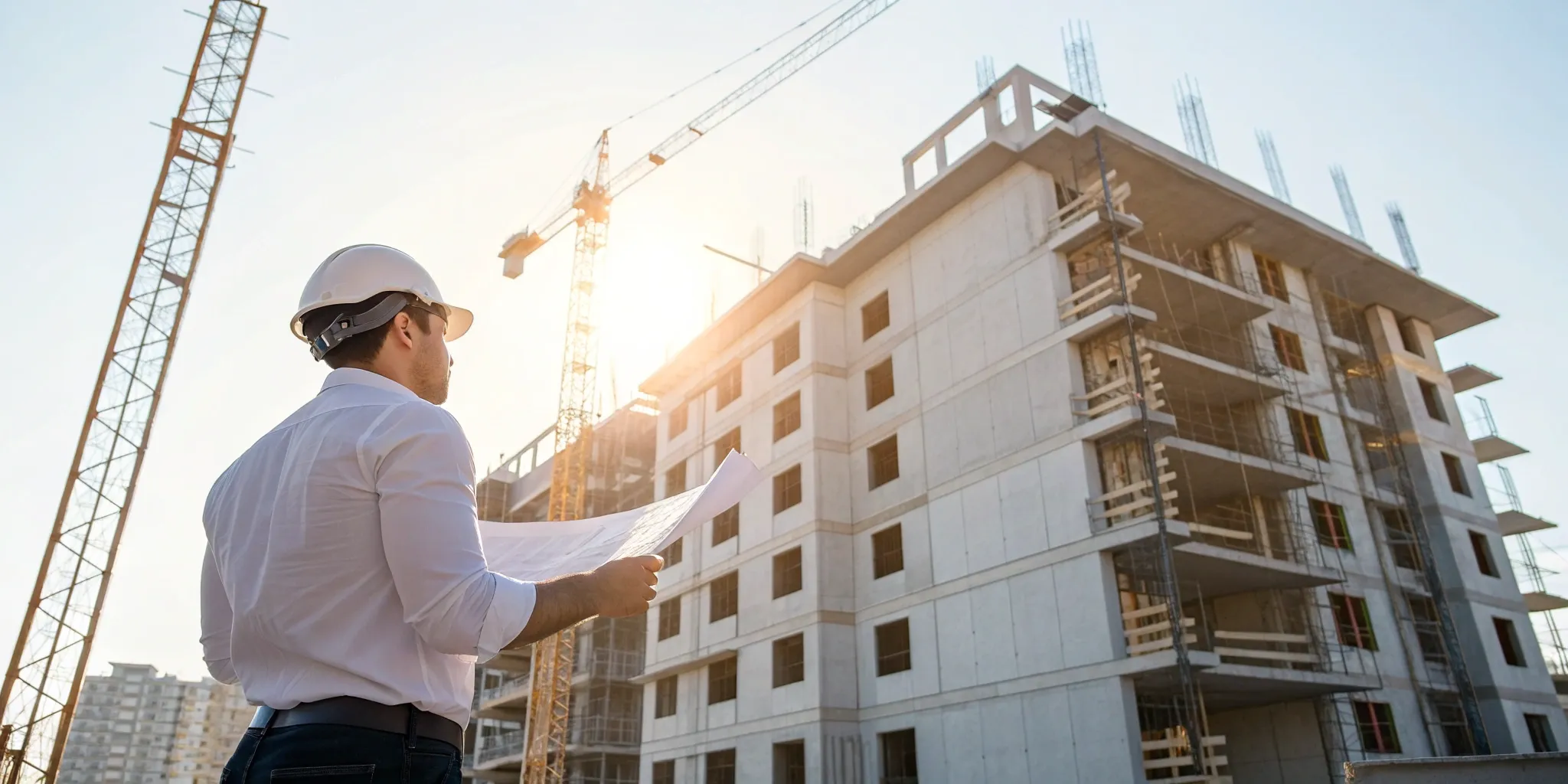
Let’s be honest: bringing a multifamily project out of the ground is a complex undertaking. You’re not just building a structure; you’re navigating a web of regulations, financial hurdles, and logistical challenges that can test even the most experienced developer. From community pushback on zoning to securing a construction loan in a tight market, the potential roadblocks are real. But these obstacles are not insurmountable. A successful new construction multifamily project is built on a foundation of foresight and expert planning. This article provides a realistic look at the hurdles you’ll face and offers a clear playbook for overcoming them effectively.
Key Takeaways
- The Demand for Multifamily Housing is Here to Stay: A nationwide housing deficit and shifting lifestyle preferences mean the need for rental units isn't slowing down, creating a stable, long-term investment opportunity.
- Build New to Maximize Returns and Minimize Headaches: New construction attracts higher-paying tenants with modern amenities while reducing your initial maintenance costs, leading to more predictable cash flow and a stronger bottom line.
- Proactive Planning Overcomes Key Hurdles: The biggest development challenges—zoning, budget management, and financing—can be effectively managed by conducting thorough due diligence and partnering with an experienced construction team from the start.
What Is New Construction Multifamily Development?
If you're a developer or investor exploring new opportunities, you've likely seen the term "multifamily" everywhere. But what does it actually mean to take on a new construction multifamily project? It's more than just building apartments; it's about creating communities and meeting a critical housing demand. Let's break down what these projects entail and how they stand apart from their single-family counterparts.
Multifamily Construction, Defined
At its core, multifamily construction involves building residential structures designed to house more than one family in separate units. Think beyond the typical apartment building—this category includes everything from duplexes and triplexes to sprawling complexes with hundreds of homes. Each unit has its own kitchen, bathroom, and living space, offering a complete home within a larger building. This development model is a powerful solution for accommodating growing urban populations and creating more accessible housing options. Our work on multifamily projects focuses on creating functional, high-quality living spaces that serve both investors and the communities they join.
How It Differs from Single-Family Projects
The most obvious difference is the structure itself. A single-family home is a standalone building for one family, giving them total ownership of the lot. Multifamily properties, however, feature shared walls and common areas like hallways, gyms, or pools. This creates a different living experience for residents, trading some privacy for community amenities and convenience.
For developers and owners, the biggest distinction lies in maintenance and management. With a single-family home, the owner is on the hook for every repair. In a multifamily development, a property management company handles all the upkeep for the building's exterior and shared spaces. This centralized approach simplifies operations and provides a major advantage for investors looking for a more hands-off asset.
Why Is Multifamily Construction Booming Right Now?
The demand for multifamily housing isn't a passing trend; it's a response to fundamental shifts in our economy and society. For developers and investors, understanding these drivers is key to capitalizing on the current market. A combination of a nationwide housing deficit, changing lifestyle preferences, and supportive government policies has created a perfect storm for growth. These factors signal strong, sustained demand, making new construction a compelling opportunity.
The National Housing Shortage and Rising Rents
At its core, the multifamily boom is a story of supply and demand. The U.S. is facing a significant housing shortage, with a deficit of nearly four million homes. This gap puts immense pressure on the market, causing rental rates to climb across the country. As a result, the need for new rental units has never been greater. Projections show that an additional 4.3 million rental homes will be needed by 2035 to keep up. For developers, this isn't just a statistic—it's a clear indicator of long-term market viability for new construction projects.
How Demographics Are Shaping the Market
Beyond the raw numbers, shifting population dynamics are fueling demand. Younger generations increasingly prefer the flexibility and amenities of urban apartment living over traditional homeownership. At the same time, the Baby Boomer population—expected to top 80 million people soon—is downsizing and seeking low-maintenance, accessible living options that multifamily communities provide. These powerful demographic trends mean developers can cater to a diverse and growing tenant base, from young professionals to active seniors, ensuring a wide appeal for new projects.
The Role of Affordable Housing Initiatives
Building is easier with a tailwind, and right now, government policy is providing one. There's a growing consensus among policymakers that we need more housing, fast. In response, federal, state, and local governments are rolling out initiatives to encourage multifamily development. These programs offer tangible benefits like tax incentives, streamlined permitting, and favorable zoning changes. For investors, these affordable housing solutions can help reduce project costs and timelines, making it more financially attractive to build the rental housing communities that are so needed.
What Are the Benefits of Investing in New Multifamily Properties?
For developers and investors, new multifamily properties offer a powerful combination of financial stability, tenant appeal, and long-term value. Unlike other real estate ventures, these projects are uniquely positioned to meet modern housing demands while delivering consistent returns. From spreading risk across multiple units to capitalizing on significant tax advantages, the benefits are clear. Building new also means you can create a product perfectly tailored to today’s renters, giving you a competitive edge in the market from day one. It’s an investment strategy that addresses both immediate cash flow needs and future growth potential, making it a compelling choice for any portfolio.
Generate Stable Cash Flow with Multiple Units
One of the most significant advantages of a multifamily property is the strength in numbers. Instead of relying on a single tenant for your income, you have multiple streams of rent coming in each month. This diversification provides a crucial safety net. If one unit is vacant for a month or two, you still have income from the other tenants to cover your mortgage and operating expenses. This model creates a much more predictable and stable cash flow compared to single-family rentals, making it a more resilient investment during market fluctuations. It’s a straightforward way to reduce risk while scaling your portfolio.
Attract Tenants with Modern Amenities and Lower Maintenance
New construction properties are highly attractive to today’s renters. They offer the modern amenities, open floor plans, and energy-efficient systems that tenants actively seek and are willing to pay more for. From smart home technology to community spaces like fitness centers and co-working lounges, you can build new homes that stand out in a crowded market. For you as the owner, a new building means fewer surprise repairs and lower maintenance costs for the first several years. Everything is under warranty, from the roof to the appliances, allowing you to focus on maximizing your returns instead of managing constant upkeep.
Capitalize on Tax Benefits and Long-Term Growth
Beyond monthly rent checks, multifamily properties offer compelling financial incentives. Investors can take advantage of significant tax deductions, including depreciation, which can shelter a portion of your rental income. Looking at the bigger picture, the demand for rental housing is incredibly strong. Projections show the U.S. needs to build millions more rental units in the coming years to keep up, positioning new multifamily developments for strong long-term growth. This isn't just about building an asset; it's about investing in a solution to the national housing shortage, which can lead to substantial appreciation over time.
What Challenges Should Developers Expect?
While new multifamily construction offers incredible potential, it’s important to go in with a clear understanding of the obstacles you might face. Every development project comes with its own set of complexities, but multifamily properties often involve unique hurdles related to scale, regulations, and financing. Successfully bringing a project from concept to completion requires careful planning, a deep understanding of the local market, and a construction partner who can anticipate problems before they impact your timeline and budget.
The biggest challenges typically fall into three main categories: navigating local regulations, managing project resources, and securing the right funding. Zoning laws can be restrictive, material and labor costs are constantly shifting, and lenders have strict requirements for new construction loans. None of these are insurmountable, but they demand expertise and foresight. Having an experienced team on your side is critical for turning these potential roadblocks into manageable steps in the development process. Our past projects show that with the right strategy, these challenges can be effectively managed to deliver a profitable and high-quality asset.
Getting Through Zoning and Community Hurdles
One of the first hurdles you'll encounter is zoning and entitlement. Many municipalities have zoning laws that favor single-family homes, which can make it difficult to get approval for denser multifamily developments. The path to approval often involves navigating a complex web of regulations, public hearings, and community feedback. You’ll need a solid plan to demonstrate how your project benefits the community, addresses concerns like traffic and density, and aligns with local development goals. Building strong relationships with city planners and community stakeholders early on is key to a smoother process.
Managing Rising Costs and Labor Shortages
The construction industry is currently facing a perfect storm of high demand and limited resources. The U.S. needs an estimated 3.7 million more homes to meet demand, which puts immense pressure on material supply chains and the labor market. This can lead to volatile pricing for everything from lumber to light fixtures, as well as a shortage of skilled tradespeople. To protect your budget, it’s essential to work with a general contractor who has strong supplier relationships and can implement value engineering to find cost-effective solutions without compromising quality.
Securing Financing in a Volatile Market
Financing a new multifamily project is different from securing a loan for a single-family home. Lenders often view these projects as business investments, which means they may require larger down payments and have stricter credit score requirements. You’ll need a detailed pro forma that clearly outlines your projected costs, timelines, and expected returns. Most investors look for an annual ROI between 6% and 12%, so your financial projections must be realistic and well-supported. A strong track record and a partnership with a reputable builder can significantly improve your chances of securing favorable loan terms.
How Does Multifamily Construction Financing Work?
Securing the right financing is one of the most critical steps in any development project. The path from a raw piece of land to a fully occupied apartment complex is paved with capital, and understanding how to structure your funding is key to success. Lenders want to see a clear, well-researched plan that minimizes their risk and points toward a profitable outcome. Let’s break down the essential components of financing your next multifamily project.
Construction Loans vs. Permanent Financing
First, it’s important to understand the two main phases of financing. You’ll start with a short-term construction loan to cover the actual building process. These loans typically last 12 to 24 months and fund up to 85% of your total project costs. Instead of giving you a lump sum, the lender releases funds in stages, or "draws," as you hit specific construction milestones. Once the project is built and stabilized (meaning it has reached a target occupancy rate), you’ll transition to permanent financing. This is a long-term loan, similar to a traditional mortgage, that pays off the construction loan and can be structured with fixed rates over many years.
Structuring Your Capital and Partnerships
Your project’s funding will be a mix of debt (the loan) and equity (your cash contribution). This combination is often called the "capital stack." The equity portion usually comes from your own capital or from partners and investors you bring into the deal. How you structure this mix of equity and debt financing directly impacts your cash flow, risk, and potential return on investment. Carefully vetting partners and clearly defining roles and returns from the outset builds a strong foundation for the project. A well-planned capital structure shows lenders that you have a solid financial strategy and skin in the game.
What Lenders Look For: Risk and Underwriting
When you apply for a loan, lenders perform a deep analysis called underwriting to assess the project's risk. They’ll scrutinize everything from your personal credit and development experience to the property’s location and the market’s strength. You’ll need to present a detailed business plan, a line-item budget, and a realistic construction timeline. Lenders also want to see proof of the project's future viability. To mitigate their risk, they often look for a certain percentage of pre-leased units before funding. Understanding these underwriting criteria helps you prepare a loan application that inspires confidence and gets you to the closing table faster.
How to Choose and Plan Your Development Site
The old real estate mantra “location, location, location” is only part of the story. For a multifamily project to succeed, the site you choose must be backed by solid data, a clear path through regulations, and the right infrastructure. Before you ever break ground, your most important work is done through careful planning and due diligence. This phase sets the foundation for a project that stays on schedule, meets budget, and delivers the returns you expect. A thoughtful approach here minimizes surprises down the road and positions your development for long-term success.
Conducting Market and Feasibility Studies
Before you get attached to a parcel of land, you need to run the numbers and confirm there’s real demand. A thorough feasibility study looks at local demographics, employment trends, and comparable rental rates to validate your investment thesis. The good news is that the national outlook is strong. Some reports show the U.S. needs to build 4.3 million more rental homes by 2035 just to keep up. This data confirms that emerging multifamily trends point toward sustained demand, making it a resilient asset class. Your job is to pinpoint exactly where that demand is most acute and build a project that meets the market’s needs.
The Path to Zoning and Regulatory Approval
Zoning and entitlements can feel like the biggest hurdles in development, but they don’t have to be dealbreakers. Every municipality has its own set of rules, and many historically favored single-family homes. However, the tide is turning. Faced with housing shortages, many cities are actively updating their zoning codes to encourage denser housing options. The key is to understand the local political and regulatory landscape from the very beginning. Engaging with city planners early and working with a team that knows the local process can help you anticipate challenges and find a smoother path to getting your project approved.
Planning for Infrastructure and Utilities
A great location is useless without the infrastructure to support it. Your site plan must account for access to water, sewer, electricity, and roads. The availability and capacity of these utilities can significantly impact your budget and timeline. This is why you see development patterns cluster in certain areas; the cities building the most multifamily housing often have the infrastructure ready to support growth. When evaluating a site, conduct a thorough assessment of existing utilities and calculate the cost of any necessary upgrades. This ensures your project is not only buildable but also financially viable.
How to Manage the Construction Process
Once you have the land and the financing, the real work begins. Managing the construction process is where your vision starts to take shape, and it’s also where a project can succeed or stumble. The key is partnering with a general contractor who acts as your eyes and ears on the ground, turning architectural plans into a physical asset. A well-managed project isn’t just about building walls; it’s about coordinating dozens of moving parts, from subcontractors to supply chains, to deliver the final product on time and on budget. This phase requires constant problem-solving and clear communication to keep everyone aligned, from the architect to the electricians. A great construction partner doesn't just follow blueprints; they anticipate challenges, offer value engineering solutions, and provide the transparency you need to make informed decisions. They understand that their job is to protect your investment and deliver a building that meets your financial goals and quality standards. With the right team leading the charge, you can handle the complexities of construction with confidence, knowing your project is in capable hands.
Breaking Down the Project Timeline
A detailed project timeline is your roadmap from groundbreaking to grand opening. Every multifamily construction project follows a sequence of critical phases, including initial design, permitting, the build itself, and final inspections. Each step depends on the one before it, so a delay in one area can create a domino effect. A skilled general contractor provides a realistic schedule and actively manages it, anticipating bottlenecks and coordinating stakeholders to keep things moving. This proactive approach ensures that your project progresses smoothly, hitting key milestones and moving steadily toward completion without unnecessary setbacks.
Ensuring Quality and Safety on Site
Two things should never be compromised on a construction site: quality and safety. Quality control isn't a single inspection at the end; it's a continuous process of checks and balances to ensure every detail meets the required standards. This commitment to quality protects your investment for the long term. At the same time, a rigorous safety program is essential to protect the crew and keep the project compliant. A well-run site is a safe site, and our commitment to delivering exceptional construction outcomes means prioritizing both from day one.
Keeping Your Project on Budget
Financial discipline is the backbone of a successful development. The goal is always to achieve predictable costs and avoid surprises that can derail your investment. This starts with a transparent and detailed budget. Throughout the build, your construction partner should manage expenses meticulously, aligning the work on-site with your financing milestones and draw schedules. Clear communication and regular reporting are vital, giving you a real-time view of your project's financial health. By making smart, value-driven decisions, you can ensure the final numbers align with your initial projections and deliver a profitable asset.
What's Next for Multifamily Investments?
The multifamily market is always evolving, and staying ahead of the curve is key to making smart investment decisions. While the core principles of supply and demand remain, new trends in technology, tenant preferences, and market dynamics are shaping the future. For developers and investors, understanding these shifts isn't just about predicting the future—it's about building it. By focusing on long-term demand, incorporating modern efficiencies, and identifying untapped opportunities, you can position your next project for success for years to come.
Future-Proofing Your Investment: Rental Demand Projections
Despite headlines about market fluctuations, the long-term outlook for rental housing remains incredibly strong. The simple fact is that the U.S. has a significant housing shortage. Projections show the country needs to build 4.3 million new rental homes by 2035 just to keep up with demand. This fundamental imbalance means that well-located, high-quality multifamily properties are positioned to perform well over the long haul. For investors, this isn't about timing the market perfectly; it's about recognizing the durable, underlying need for rental units that will continue to support stable occupancy and rent growth.
The Impact of Tech and Sustainable Building
Today’s tenants expect more than just four walls and a roof. They’re looking for modern conveniences, from smart home technology to energy-efficient features that lower their utility bills. Integrating sustainable building practices isn't just a marketing tool; it's a direct path to better returns. For example, upgrading to LED lighting can pay for itself in under three years, a significant saving since lighting can account for over 75% of a property's energy use. By offering these features, you not only attract a higher caliber of tenant but also reduce long-term operating costs, creating a more profitable and resilient asset. Our comprehensive construction services are designed to integrate these modern efficiencies from day one.
Where to Find the Next Big Opportunity
While national demand is high, real estate is always local. Some high-growth markets like Austin and Nashville are seeing a surge in new supply, which could temporarily slow rent growth. This makes careful market analysis more important than ever. The next big opportunity might not be in the most obvious places. Investors are finding success by exploring niche sectors like single-family rentals (SFRs) and workforce housing, which serve a critical and often overlooked segment of the population. By looking beyond the primary markets or focusing on specific community needs, you can uncover valuable development opportunities. Our portfolio of successful projects shows our experience in adapting to diverse market conditions.
Related Articles
- Multifamily Projects Delivered On Time, On Budget, Ready for Residents.
- Multi Family & Mixed Use
- Trails of Ashford Apartments
- Spring Court
- Pinhook South Apartment & Acadian Gardens Apartment
Frequently Asked Questions
With rising construction costs, is it still a good time to build a new multifamily property? That’s the big question on every developer’s mind. While it’s true that material and labor costs are a significant factor, the fundamentals of supply and demand are still incredibly strong. The national housing shortage creates a powerful, long-term need for new rental units. The key isn’t waiting for costs to drop, but rather partnering with a construction team that can manage them effectively through smart sourcing, value engineering, and efficient project management.
What's the difference between a construction loan and the permanent financing for a project? Think of it as a two-stage process. First, you get a short-term construction loan that covers the costs of building the project from the ground up. Lenders release these funds in stages as you hit specific milestones. Once the building is complete and tenants start moving in, you refinance that short-term loan into a long-term, permanent one. This new loan is more like a traditional mortgage, paid off over many years with the rental income your property generates.
How can I be sure a potential development site is actually viable? A great location is just the starting point. True viability comes from doing your homework before you ever make an offer. This means conducting a detailed feasibility study to confirm local rental demand and running a thorough analysis of the zoning and entitlement process to ensure you can actually build what you envision. You also need to assess the site’s access to essential infrastructure like water, sewer, and power, as connecting utilities can be a major hidden cost.
What role does a general contractor play in managing the budget and timeline? A great general contractor acts as the operational lead for your entire project. Their job goes far beyond simply overseeing construction. They are responsible for creating a realistic timeline, coordinating all subcontractors, and managing the project's finances with transparency. They provide regular updates, solve problems as they arise, and ensure the work on-site aligns with your budget and financing draws. Essentially, they protect your investment by keeping the project on track and on budget.
Beyond large apartment complexes, what other types of multifamily properties are worth considering? While large apartment buildings get a lot of attention, the multifamily category is quite broad. Depending on the market, there are great opportunities in building smaller-scale properties like duplexes, triplexes, or townhome communities. There is also growing demand for niche products like single-family rental communities and workforce housing, which serves a vital segment of the population. The best strategy depends on your specific location and investment goals.
About the Author

Tomer Benshushan is a seasoned general contractor and developer with over a decade of experience leading large-scale commercial and multifamily construction projects across Texas and beyond. As founder of Pillars of Seven, he specializes in ground-up development, restoration, and design-build execution for multifamily, warehouse, and storage facilities. Tomer is known for his hands-on approach, attention to detail, and commitment to delivering high-quality builds that balance design, efficiency, and long-term performance.