Self Storage Building Construction Costs: A Breakdown
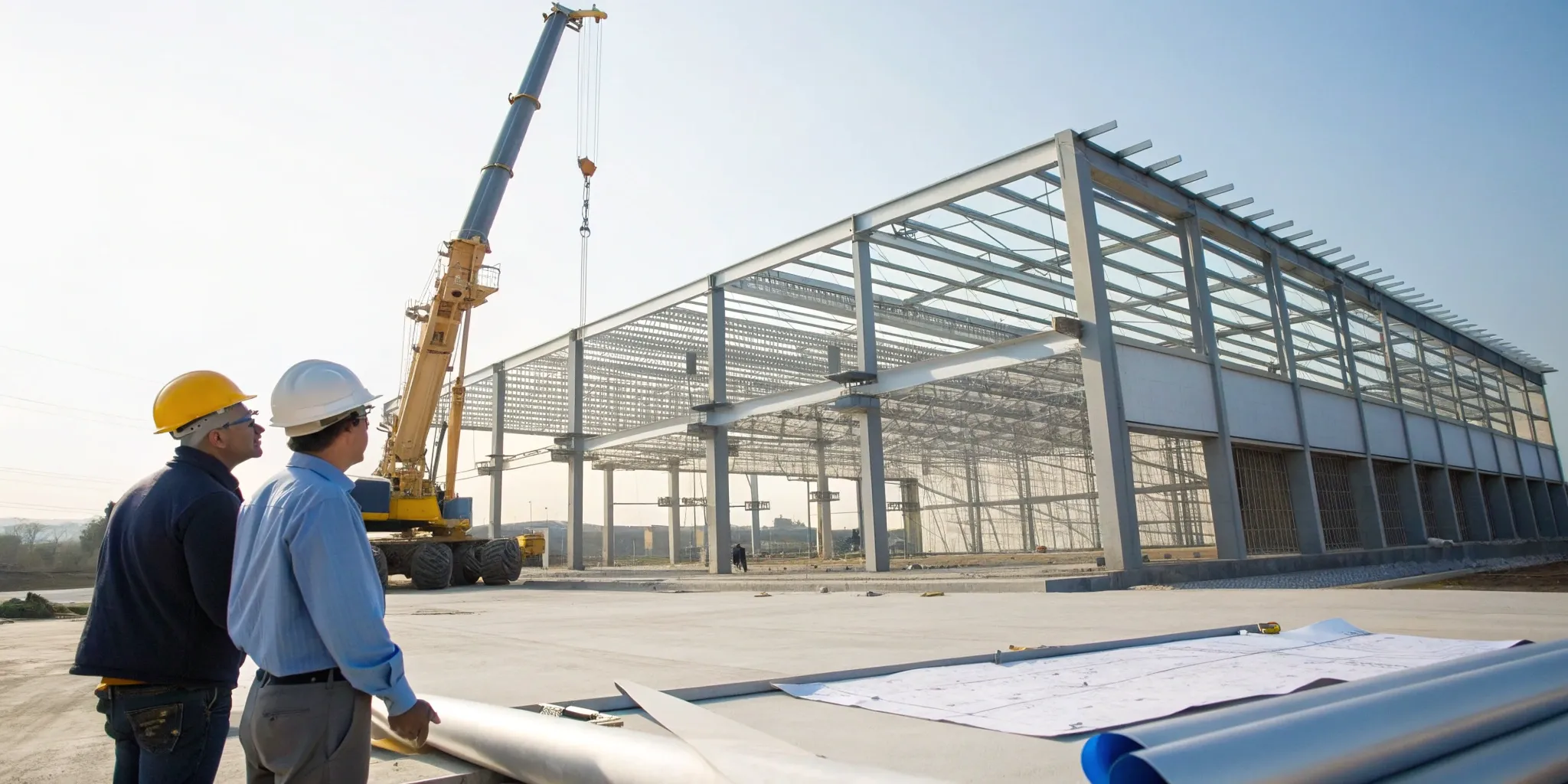
Building a new self-storage facility is a complex process with many moving parts, and your budget is the glue that holds it all together. Unforeseen expenses can quickly derail a project, turning a promising investment into a financial headache. The best way to avoid these surprises is with a thorough and realistic budget from the very beginning. This guide walks you through every line item you need to consider. We will cover the full spectrum of self storage building construction costs, from the major expenses like steel and concrete to the often-overlooked costs of permits, site work, and utility connections, ensuring you can plan with confidence.
Key Takeaways
- Your Final Cost is More Than a Simple Square Foot Average: While the $25-$75 per square foot range is a useful starting point, your actual costs are determined by critical choices like building a single vs. multi-story facility, the specific conditions of your land, and local labor and material prices.
- A Successful Budget Accounts for Everything: To create an accurate financial forecast, you must plan for the entire project scope. This includes initial "soft costs" like land and permits, the "hard costs" of construction, and the ongoing operational expenses like maintenance and utilities that determine long-term profitability.
- Strategic Planning is Your Best Tool for Cost Control: You can significantly reduce expenses without compromising quality by working with a partner who uses methods like value engineering, phased construction, and a design-build approach. These strategies streamline the process and ensure every dollar is spent effectively.
What's the Average Cost Per Square Foot to Build Self-Storage?
When you’re starting to budget for a new self-storage facility, the first number everyone wants to know is the cost per square foot. Generally, you can expect construction costs to fall somewhere between $25 and $75 per square foot. Think of this as a starting point for your financial planning. This range typically covers the "hard costs"—the physical materials and labor needed to erect the building itself.
It’s important to remember that this figure doesn't include everything. Costs like land acquisition, architectural design, engineering fees, permits, and financing fall into a separate category of "soft costs." The final price tag depends heavily on your project's specific needs, from the type of facility you build to where you build it. A trusted construction partner can help you understand these variables and how they fit into your overall budget. Our team has extensive experience in managing the full scope of construction services, ensuring every detail is accounted for from the ground up. Understanding these numbers early on helps you create a more accurate pro forma and secure the right financing for a successful project.
Single-Story vs. Multi-Story Facilities
Your decision to build a single-story or multi-story facility will be one of the biggest factors influencing your construction budget. A sprawling, single-story facility typically costs between $25 and $42 per square foot. These builds are often simpler, requiring less structural steel and no elevators. They are a great fit for larger land parcels in suburban or rural areas where land is more affordable.
On the other hand, a multi-story facility can range from $45 to $75 per square foot. The higher cost comes from the need for a more robust foundation, structural steel frames, elevators, and more complex mechanical systems. While the initial investment is higher, a multi-story design allows you to maximize your rentable square footage on a smaller, more expensive piece of land, which is often the case in dense urban markets.
How Costs Vary by Region
It’s no surprise that where you build matters just as much as what you build. Construction costs can change dramatically from one state to another, and even between cities within Texas. The primary drivers behind these regional differences are land prices, local labor rates, and the cost of materials. Building in a major metropolitan area like Austin or Dallas will almost always be more expensive than in a smaller town due to higher land values and more competitive labor markets.
Working with a general contractor who has a deep understanding of the local landscape is key. They can provide accurate cost estimates based on current market conditions and have established relationships with local suppliers and subcontractors. Having a look at a firm's past projects can give you a good sense of their experience across different locations and their ability to deliver quality work within diverse markets.
What Factors Drive Self-Storage Construction Costs?
When you’re planning a self-storage project, the final price tag is shaped by more than just the building itself. A handful of key factors can significantly influence your budget, and understanding them from the start is the best way to keep your project on track. Think of it like a recipe—the cost of your land, the price of steel, the complexity of your design, and even local regulations all mix together to determine the final number.
Each of these elements is connected. The location you choose will dictate your land and site prep costs, while your facility’s design will determine the amount and type of materials you need. Getting a handle on these variables early on helps you create a realistic budget and financial forecast. A clear understanding also allows you to work with your construction partner to find smart solutions that balance cost with quality, ensuring your investment is sound from day one. From the initial land acquisition to the final coat of paint on the unit doors, every decision has a financial implication. By breaking down the project into these core components, you can better anticipate expenses and avoid surprises that could derail your timeline or your pro forma. Let’s break down the main cost drivers you’ll need to consider.
Land and Site Preparation
Before you can even think about pouring a foundation, you need a place to build. The cost of land is often one of the largest upfront expenses in any self-storage project. Unsurprisingly, a parcel in a dense urban area will cost significantly more than one in a suburban or rural market.
Beyond the purchase price, you have to prepare the site for construction. This isn’t just raw land; it needs to be cleared, graded for proper drainage, and excavated for foundations and utilities. Depending on the property’s condition, site preparation can range from a straightforward task to a complex and costly endeavor. These costs can vary widely, but they are a critical part of your initial budget.
Materials and Labor
The two biggest line items in your construction budget will almost always be materials and labor. For self-storage facilities, steel is the primary building material, and its market price can fluctuate, directly impacting your costs. Concrete, roofing, insulation, and interior finishes also play a major role.
The cost of labor to assemble these materials is the other half of the equation. This is where the facility’s design comes into play. A simple, single-story building is less labor-intensive and generally costs less per square foot to build than a multi-story facility, which requires more complex structural work and equipment. An experienced construction team can help you manage these variables effectively.
Facility Size and Design
The bigger and more complex your facility, the more it will cost to build—it’s that simple. The total square footage and the specific unit mix you choose will directly influence your material and labor needs. A multi-story, climate-controlled facility with elevators and advanced security systems will have a higher price tag than a basic row of drive-up units.
Building a new facility from the ground up gives you complete control over the design, allowing you to tailor the unit mix and layout to meet specific market demand. While this adds complexity to the planning phase, it also gives you the power to create a more efficient and profitable operation in the long run.
Local Codes and Permits
Navigating the world of zoning laws, building codes, and permits is a crucial step that can have a real impact on your budget and timeline. Every municipality has its own set of rules governing construction, from setback requirements to fire safety standards. The process of securing the necessary permits can be time-consuming, and any unexpected regulatory delays can lead to increased costs.
Working with a general contractor who has experience in the local area is a huge advantage. They understand the permitting process and can help ensure your design meets all relevant codes from the outset, preventing costly revisions and delays down the road.
How Facility Type Affects Your Construction Budget
The type of self-storage facility you decide to build is one of the biggest factors influencing your total project cost. It’s not just about the number of units; the design, features, and structure of the facility itself will shape everything from material needs to labor expenses. A simple, single-story complex with basic units will have a completely different budget from a multi-story, climate-controlled building in a dense urban area.
Understanding these differences early in the planning phase is key to developing a realistic budget and a successful project. Your choice will depend on your target market, the local climate, and the size and location of your property. Let’s break down how three common facility types compare and what each means for your bottom line. Making the right choice here sets the foundation for your facility’s long-term profitability and market position. As your construction partner, we help you analyze these trade-offs to align your vision with your financial goals.
Climate-Controlled vs. Standard Units
Deciding whether to include climate-controlled units is a major budget consideration. Standard units are essentially garages—uninsulated spaces protected from the elements. Climate-controlled facilities, on the other hand, maintain a consistent temperature and humidity level, which requires a significant upfront investment. This involves installing comprehensive HVAC systems, high-quality insulation, and sealed entry points to maintain efficiency.
These features directly increase your cost per square foot. However, they also allow you to charge higher rental rates and attract customers who need to store sensitive items like electronics, wood furniture, or important documents. The decision often comes down to a market analysis. In regions with extreme temperatures or high humidity, offering climate control isn’t just a premium feature—it’s a necessity to compete effectively.
Drive-Up vs. Interior Access
The layout of your facility—specifically how customers access their units—also plays a huge role in your budget. Drive-up facilities, which are typically single-story buildings with exterior roll-up doors, are generally less expensive to build. Their design is straightforward, requiring less complex structural work and fewer interior finishes. This model prioritizes convenience and is popular in suburban or rural areas where land is more plentiful.
In contrast, multi-story buildings with interior-access units have higher construction costs. These projects require more robust foundations, structural steel, elevators, extensive lighting, and security systems for hallways. While more expensive to build, interior-access facilities allow you to maximize rentable square footage on a smaller parcel of land, making them an ideal solution for more populated markets where land costs are high.
Container Storage vs. Traditional Builds
An alternative to conventional construction is using modified shipping containers for storage units. This approach can be a more cost-effective entry point into the market. Because the containers serve as the primary structure, you can reduce expenses on materials and on-site labor. The build-out process is often faster, which means you can start generating revenue sooner. Site preparation can also be simpler compared to what’s required for a large, permanent foundation.
However, traditional builds offer far more flexibility in unit mix, layout, and design. A custom-built facility allows you to tailor the project to your specific market and land parcel, incorporating features like multi-story designs or a mix of unit types that aren’t possible with containers. While container storage can be a smart financial move, it’s important to check local zoning regulations, as some municipalities have restrictions on their use.
Breaking Down Site Prep and Development Costs
Before a single steel beam goes up, your land needs to be ready for construction. Site preparation is one of the most variable and critical phases of any self-storage project. The initial condition of your property—whether it's a clear, flat lot or a sloped, wooded parcel—will have a huge impact on your final budget. This is where unforeseen costs often hide, turning a promising pro forma into a financial headache. A thorough due diligence process is your best defense against these surprises.
Working with an experienced construction partner from the beginning can help you identify potential challenges before they become expensive problems. A detailed site analysis will uncover issues related to soil composition, topography, and access to public utilities. From there, you can create a realistic budget for grading the land, bringing in essential services, and installing the necessary infrastructure like driveways and drainage systems. Getting these foundational elements right ensures your facility is built on solid ground, both literally and financially. Our team at Pillars of Seven has extensive engineering expertise to help you plan for and manage these crucial first steps.
Grading and Excavation
Grading and excavation are all about shaping the land to create a stable, level base for your facility. This process involves clearing trees and debris, moving earth to create a flat building pad, and digging trenches for foundations and utilities. The cost is directly tied to the site's existing condition. A flat, clear lot requires minimal work, while a hilly or rocky site will demand more extensive and expensive earthmoving. A geotechnical report, which analyzes the soil and rock conditions, is essential for accurately estimating these costs and designing the right foundation. Vague specifications during the bidding process can lead to inflated costs, so clear plans are key to keeping your budget in check.
Installing Utilities
Your self-storage facility will need reliable access to water, sewer, electricity, and data lines for security and management systems. The cost of installing these utilities depends almost entirely on the site's proximity to existing municipal connections. If the main lines are at the edge of your property, the cost will be relatively low. However, if you need to extend services from a quarter-mile down the road, the expense for trenching and connection fees can add up quickly. Coordinating with local utility providers is a critical step that requires careful planning, as their timelines can directly impact your overall project schedule.
Paving and Drainage
Proper paving and drainage are non-negotiable for a successful self-storage facility. You need durable, well-lit driveways and parking areas that can handle customer traffic and moving trucks in all weather conditions. More importantly, you need a robust stormwater management system to prevent flooding and protect your customers' belongings. This often involves installing storm sewers, retention or detention ponds, and carefully grading the site to direct water away from buildings. Costs can range widely, from a few dollars to over $80 per square foot, depending on local regulations and site complexity. This is an area where cutting corners can lead to significant long-term maintenance issues and liability.
A Look at Building Material and Structural Costs
Once your site is prepped, the next major line items in your budget are the materials that form the physical structure. These costs cover everything from the steel frame to the roll-up doors on each unit. While material prices fluctuate, understanding the typical cost ranges for these core components helps you build an accurate financial forecast. The choices you make here directly impact upfront costs, long-term maintenance, and your customers' experience. Let's break down the primary structural and material costs.
Steel Framing
Steel is the industry standard for self-storage construction, and for good reason. It’s durable, cost-effective, and allows for the wide, column-free spans needed for a flexible mix of unit sizes. A pre-engineered steel building system is often the most efficient way to construct the main facility, providing a strong, weather-resistant shell that can be erected quickly. For developers, this speed translates to a faster path to revenue. This approach ensures a consistent, high-quality structure, and our team has extensive experience with these construction methods.
Roofing and Exteriors
The building’s exterior is its first line of defense against the elements and a major factor in your property's curb appeal. Durable metal roofing and insulated metal wall panels are common choices that offer longevity and energy efficiency, which is key for climate-controlled facilities. According to industry data, you can expect exterior wall panels to cost between $25 and $36 per square foot, including materials and labor. This investment is critical for protecting customer belongings and minimizing maintenance. The total project cost often lands between $65 and $100 per square foot.
Interior Finishes and Doors
Inside, costs are driven by the components that create individual units and shape the customer experience. Hallway systems, including interior walls and framing, generally run from $6 to $12 per square foot. The most significant interior cost is often the roll-up doors, with prices ranging from $200 to $400 per door. This expense adds up quickly across a facility with hundreds of units. Investing in quality doors, bright lighting, and clear signage makes the facility feel safer and more professional, justifying premium rental rates. You can see examples of these finished interiors in our past projects.
Beyond Construction: Planning for Operational Costs
Your construction budget is just the first chapter in your facility's financial story. Once the doors open, a new set of costs comes into play—the day-to-day expenses of running the business. Planning for these operational costs from the outset is what separates a good investment from a great one. Thinking through these numbers early helps you create a more accurate financial model, secure financing, and set rental rates that ensure long-term profitability. It’s about building a sustainable business, not just a building.
For developers and investors, a clear picture of your pro forma operating expenses is just as critical as your construction estimate. These ongoing costs directly impact your net operating income (NOI) and, ultimately, your return on investment. By forecasting maintenance, utilities, and technology needs, you can move forward with confidence, knowing you’ve accounted for the full financial picture.
Maintenance and Repairs
Every building requires upkeep, and self-storage facilities are no exception. Proactive maintenance is essential for protecting your asset, keeping tenants happy, and avoiding larger, more expensive problems down the road. This includes everything from routine roof inspections and HVAC servicing for climate-controlled units to pest control and parking lot repairs. Budgeting for these recurring tasks is a non-negotiable part of ownership.
So, what should you expect to spend? While costs vary, some industry data suggests that annual maintenance for a standard 20,000-square-foot metal building can run between $1.40 and $1.85 per square foot. Factoring this into your financial projections ensures you have the capital set aside to keep your facility in top condition from day one.
Utilities and Insurance
While construction involves one-time "hard costs" for land and materials, your facility will have ongoing expenses for utilities and insurance. These are predictable costs that should be built into your operating budget. Electricity is often the largest utility expense, especially for climate-controlled facilities that require constant heating and cooling. You’ll also need to account for water, sewer, and internet services for your office and security systems.
Insurance is another critical line item. You’ll need a comprehensive policy that includes property insurance to protect your physical asset and liability insurance to cover potential accidents on-site. When you’re mapping out your project’s finances, it’s helpful to distinguish between the initial build costs and these recurring operating expenses to ensure your business model is sound.
Security and Technology
In today’s market, tenants expect modern, secure facilities. Investing in the right technology isn't just an expense—it's a competitive advantage that can improve efficiency and justify higher rental rates. A robust security system with high-definition cameras, electronic gate access, and individual door alarms provides peace of mind for your customers and protects your investment.
Beyond security, modern management software is a game-changer. The right platform allows you to automate billing, manage leases, and even operate the facility remotely, which can significantly reduce staffing costs. As you plan your budget, remember to invest in software and hardware like automatic gates and modern locks. These tools streamline operations and deliver the seamless, secure experience that modern consumers demand.
How to Calculate Your Potential Return on Investment
Before breaking ground, every developer and investor needs a clear picture of the potential financial outcome. Calculating your return on investment (ROI) isn't just about crunching numbers; it's about validating your project's viability. This involves forecasting your potential income, understanding your total project costs, and seeing how they stack up. A strong ROI projection is what separates a speculative idea from a sound investment. It helps secure financing, attract partners, and gives you a benchmark for success once your facility is operational.
To get an accurate forecast, you need to look at two key components: the revenue your facility can generate and the total cost to bring it to life. While construction costs are a huge piece of the puzzle, your returns are ultimately driven by market demand and operational efficiency. By understanding both sides of the equation, you can build a financial model that stands up to scrutiny and guides your decisions from site selection to final build-out. Let’s break down how to approach this calculation.
Understanding Revenue and Occupancy Rates
Your facility's revenue potential is directly tied to its occupancy rate and rental prices. A well-located self-storage facility can generate significant annual income, with some earning between $150,000 and $500,000 per year. However, this depends entirely on keeping your units filled. The industry benchmark for a stabilized facility is a key metric to watch. Recent self-storage industry statistics show an average occupancy rate of around 85% for established properties. Achieving this level of occupancy is the goal for any new development, as it signals a healthy, profitable operation. Your specific revenue will depend on your unit mix, local market rates, and the amenities you offer.
Calculating Your ROI
To calculate your ROI, you’ll compare your net operating income (NOI) to your total development cost. First, tally up every expense required to build and open your facility. This includes the land purchase, site preparation, materials, labor, and soft costs like permits, design fees, and marketing. This total figure is your initial investment. Next, project your NOI by subtracting annual operating expenses (like property taxes, insurance, utilities, and management) from your gross rental income, which you forecasted using target occupancy rates. A successful investment pays off when your NOI provides a healthy return on your total project cost, justifying the risk and effort involved.
How to Finance Your Self-Storage Construction Project
A detailed budget is the first step, but securing the capital to bring your project to life is what truly gets things moving. The self-storage market is attractive to lenders, meaning you have several strong financing avenues to explore. The right path depends on your business history, project scope, and investment strategy. From government-backed programs to private investment, each option has its own terms and requirements. Understanding these is key to building a financial foundation that supports your project from groundbreaking to grand opening. As your construction partner, we provide the detailed cost estimates and schedules you need to present a compelling case to any lender.
SBA and Conventional Bank Loans
For many developers, traditional lenders are the first stop. A conventional bank loan is a common way to finance a self-storage facility, especially with a strong credit history and business plan. Another excellent route is a loan from the Small Business Administration (SBA). The SBA 504 loan program offers long-term, fixed-rate financing for major assets, including land purchase and ground-up construction. These loans can cover a significant portion of your project costs, making them a popular choice for new builds.
Construction and Bridge Loans
When you need capital specifically for the building phase, a construction loan is the perfect tool. These short-term loans cover costs for labor, materials, and site development, with funds disbursed in stages as work is completed. Once construction is finished, the loan is typically paid off by securing a permanent mortgage. A bridge loan serves a similar short-term purpose, often used to “bridge” a funding gap, like when you need to close on a property quickly while arranging a more permanent financing solution.
Private Equity and Partnerships
For larger projects or developers looking to grow without taking on all the financial risk, bringing in partners is a powerful strategy. Private equity firms and individual investors are often interested in the stable returns of the self-storage industry. This approach allows you to leverage outside capital and expertise, offering more flexibility than traditional loans. A well-defined partnership agreement is crucial to ensure all parties are aligned on goals, responsibilities, and profit-sharing from the start.
Smart Ways to Reduce Construction Costs
Keeping your self-storage project on budget doesn’t mean you have to cut corners on quality. It’s about making strategic decisions from the very beginning that deliver long-term value. By focusing on efficiency and smart planning, you can control expenses without compromising the integrity or profitability of your facility. Building a successful self-storage facility is about more than just walls and doors; it’s about a thoughtful approach to design, materials, and project management.
An experienced construction partner can help you identify these opportunities early on. The right team will guide you through key strategies like value engineering, which optimizes costs without sacrificing function, and phased construction, which allows for more flexible cash flow. Another powerful approach is using a design-build model, which integrates the design and construction processes to create a more streamlined and cost-effective project from start to finish. Let’s look at how these methods can make a significant impact on your bottom line.
Finding Value Engineering Opportunities
Value engineering is a systematic method for improving the “value” of your project by analyzing its functions and costs. The goal is to find less expensive alternatives for materials or processes without sacrificing quality, durability, or performance. It’s about understanding where every dollar goes and making smart choices on materials and design. For a self-storage facility, this could mean re-evaluating the structural steel design to reduce tonnage, selecting a more cost-effective yet equally durable roofing system, or optimizing the unit mix to maximize rentable square footage. A great general contractor will proactively bring these value engineering opportunities to the table, helping you make informed decisions that protect your investment.
Using a Phased Construction Approach
For larger self-storage projects, a phased construction approach can be an excellent way to manage your budget and mitigate risk. Instead of building the entire facility at once, you build it in manageable stages. This strategy allows you to spread expenses out over time, making it easier to adapt to market conditions and financial constraints. You can open the first phase and begin generating revenue while the next phase is still under construction. This not only improves cash flow but also allows you to test the market’s demand and adjust the unit mix or features in future phases. It’s a practical way to grow your facility in lockstep with your customer base.
Working with a Design-Build Contractor
Choosing a design-build contractor is one of the most effective ways to control costs and streamline your project. In this model, one team handles both the design and construction under a single contract. This integrated approach fosters collaboration from day one, ensuring the design is both functional and buildable within your budget. Because the construction team is involved early, they can provide real-time cost feedback on design decisions, preventing expensive surprises down the road. This method improves communication, reduces timelines, and ultimately leads to a more efficient project. When you work with a design-build firm, you get a partner dedicated to delivering the best possible outcome for your budget.
How to Create a Realistic Construction Budget
A successful self-storage project is built on a solid financial foundation. Your construction budget is more than a list of expenses; it’s the roadmap that guides every decision, from site acquisition to opening day. A realistic budget accounts for every line item, including hard costs like materials and labor, and soft costs like permits, design fees, and insurance. For developers and investors, a detailed and accurate budget is essential for securing financing and projecting a clear path to profitability.
The key is to move beyond guesswork and base your numbers on current market data and project-specific details. This means getting granular with your estimates for site work, building materials, and system installations. Working with an experienced general contractor early in the process can make all the difference. We can provide preliminary pricing based on your concept, identify potential cost-saving opportunities, and help you create a budget that stands up to scrutiny from lenders and partners. A well-crafted budget isn't just about controlling costs—it's about setting your project up for a successful and profitable future.
Building in a Contingency Plan
No matter how carefully you plan, unexpected issues can arise during construction. That’s why a contingency fund is a non-negotiable part of any realistic budget. This is a dedicated amount, typically 5% to 10% of the total construction cost, set aside specifically for unforeseen expenses. With today's fluctuating material prices and labor rates, your contingency has to work harder than ever. It’s important to understand the various self-storage construction cost factors that can impact a project, as they can quickly eat into your buffer if not properly anticipated. Vague project specifications or an incomplete bidding process can also lead to change orders down the line, making a healthy contingency your best defense against budget overruns.
Preparing for Common Construction Challenges
While a contingency plan covers the unknowns, a smart budget also prepares for the knowns. Every self-storage build comes with a set of common challenges that can affect your timeline and budget if you aren’t ready for them. These often include site-specific issues like poor soil conditions or the need for extensive grading. Permitting and regulatory delays are another frequent hurdle, as are supply chain disruptions that can lead to material shortages. An experienced construction partner will help you identify these potential risks during the pre-construction phase. By anticipating these issues, you can build allowances for them directly into your schedule and budget, turning potential crises into manageable tasks.
Related Articles
- Public Storage Project
- L Storage Project
- Landmark Self Storage Project
- SurePoint Self Storage Project
- Bee Cave Self Storage Project
Frequently Asked Questions
What's the biggest financial mistake I can make when planning a new self-storage facility? The most common misstep is underestimating the costs that come before construction even begins. Many developers focus heavily on the building itself but overlook the significant expenses of site preparation and soft costs. Things like extensive land grading, bringing utilities to the property, and navigating a complex permitting process can quickly inflate a budget. A thorough due diligence process and a realistic contingency fund are your best tools for avoiding these costly surprises.
Is a more expensive multi-story facility a better investment than a single-story one? It really depends on your market and your land. While a multi-story facility has a higher cost per square foot upfront, it allows you to maximize your rentable space on a smaller, more expensive piece of land, which is often the case in urban areas. A single-story facility is more cost-effective to build but requires a larger parcel. The better investment is the one that aligns with local land costs and meets the specific demand of your target customers.
How can I be sure that 'value engineering' isn't just a way to cut corners on quality? That’s a great question. True value engineering isn't about choosing the cheapest option; it's about finding the most efficient and cost-effective solution without compromising function or durability. It involves a deep analysis of the project's design and materials to identify smarter alternatives. For example, it might mean reconfiguring a steel frame design to use less material while maintaining structural integrity, not swapping a durable roof for a low-quality one. A trustworthy construction partner will always prioritize long-term value over short-term savings.
Beyond the construction budget, what are the most significant ongoing costs I need to plan for? Once your facility is built, your focus shifts to operational expenses. The most significant ongoing costs are typically property taxes, insurance, and utilities—especially electricity for climate-controlled buildings. You also need to budget for regular maintenance to protect your asset, as well as technology costs for security systems and management software. Factoring these expenses into your financial model from the start is essential for understanding your true profitability.
How do I get a truly accurate cost estimate for my specific project? The general figures in this post are a great starting point, but a reliable estimate requires a detailed look at your specific project. The best way to get an accurate number is to partner with an experienced general contractor who can analyze your potential site, understand your design goals, and provide a comprehensive estimate based on current local material and labor costs. This collaborative process is the first step in building a realistic and successful project budget.
About the Author

Tomer Benshushan is a seasoned general contractor and developer with over a decade of experience leading large-scale commercial and multifamily construction projects across Texas and beyond. As founder of Pillars of Seven, he specializes in ground-up development, restoration, and design-build execution for multifamily, warehouse, and storage facilities. Tomer is known for his hands-on approach, attention to detail, and commitment to delivering high-quality builds that balance design, efficiency, and long-term performance.