A Smart Guide to Building Design Construction
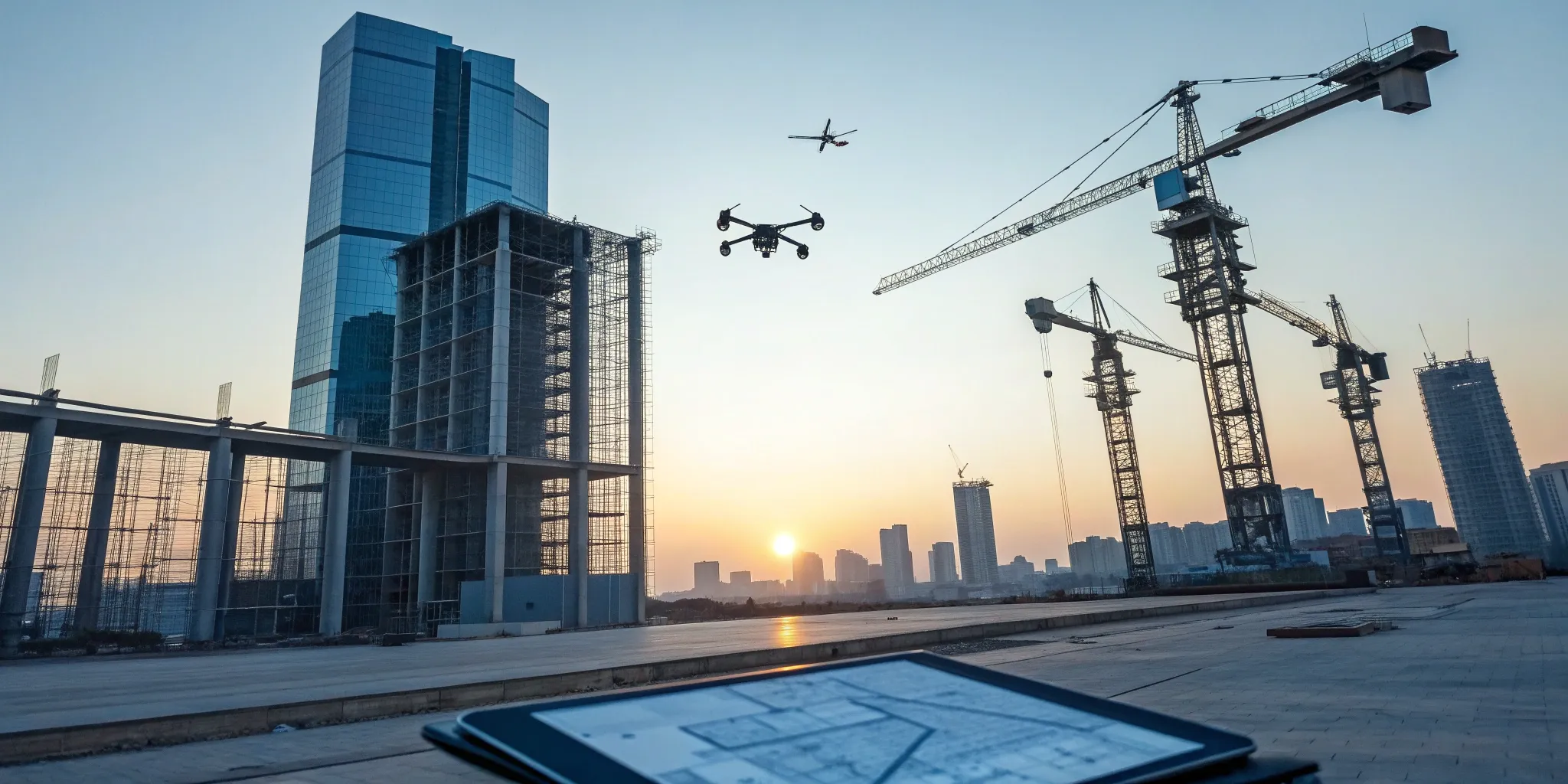
The world of construction is changing. New technologies and sustainable practices are transforming how we create commercial and multifamily properties, making them more efficient, durable, and profitable than ever before. For forward-thinking developers and investors, staying current with these innovations isn’t just an option—it’s a competitive advantage. From AI-powered project management that predicts delays to advanced materials that lower long-term operating costs, the future of building design construction is here. This article explores the key trends reshaping the industry, providing a clear look at how you can leverage them to build smarter, greener, and more valuable assets that will stand the test of time in a rapidly evolving market.
Key Takeaways
- Align Design and Construction from Day One: A successful project treats design and construction as a single, integrated process. This collaborative approach ensures the architectural vision is practical to build, which prevents expensive changes and keeps your timeline and budget intact.
- Strategic Design is Your Foundation for Profitability: Think of design as the blueprint for your asset's long-term performance. A thoughtful design that prioritizes user needs, function, and sustainability results in a building that costs less to operate, attracts higher-quality tenants, and delivers a greater return on investment.
- Vet Your Construction Partner on More Than Price: The right general contractor is a strategic ally who protects your investment. Look for a team with direct experience in your project type, a transparent communication process, and a proven record of safety and quality control to ensure a smooth and predictable build.
What is Building Design and Construction?
At its core, Building Design and Construction is the complete process of bringing a structure to life. It’s a thoughtful journey that starts with an idea and ends with a fully functional building, integrating aesthetics, functionality, and sustainability to create spaces that serve the people who use them. For developers and investors, this means transforming a vision into a tangible asset—whether it's a multifamily complex, a commercial hub, or a state-of-the-art storage facility.
Think of it as two sides of the same coin. The design phase is where the vision is born and meticulously planned, while the construction phase is where that vision is skillfully executed. A successful project doesn’t just happen; it’s the result of a seamless partnership between these two stages. When design and construction are in sync, the result is a building that not only meets your goals but is also delivered on time and within budget.
Breaking Down the Design Phase
The design phase is where your project’s DNA is created. It’s far more than just sketching a floor plan. During this stage, architects and engineers collaborate to produce detailed plans that account for everything from site conditions and local building codes to the specific needs of future tenants or users. This is the critical point where your vision is translated into a concrete, buildable strategy. Getting this phase right is essential for establishing clear goals and ensuring the final structure aligns perfectly with your business objectives, preventing costly changes down the road.
Bringing it to Life: The Construction Phase
The construction phase is where the blueprint becomes a building. This stage involves translating the design from paper to reality, which requires effective project management to keep everything moving smoothly. A skilled general contractor is essential here to manage the day-to-day logistics, from coordinating subcontractors and suppliers to addressing challenges like regulatory compliance and budget adherence. Successful execution depends on the collaboration of every stakeholder, ensuring the build stays true to the original design and quality standards. This is where a partner’s experience with complex projects truly shines.
How Design and Construction Work Together
The most successful projects are built on a foundation of strong communication between the design and construction teams. This isn't just about exchanging files; it's about creating a continuous feedback loop. Effective communication ensures that the construction team fully understands the design intent, while the design team remains aware of on-the-ground realities. This collaborative approach is key to managing expectations, solving problems creatively, and adapting to unforeseen changes without compromising the project's vision or budget. When everyone is aligned, the entire process becomes more efficient and predictable.
What Makes a Building Design Successful?
A successful building design is more than just a striking facade or an innovative floor plan. It’s a careful blend of art and science, where every choice serves a greater purpose. For developers and investors, a successful design translates directly to a profitable, durable, and desirable asset. It’s about creating a space that not only meets the immediate needs of its occupants but also stands the test of time, adds value to its community, and delivers a solid return on investment. When a project is thoughtfully designed, it becomes easier to lease, cheaper to operate, and more valuable in the long run. True success is found at the intersection of vision, function, sustainability, and safety—the core pillars that turn a blueprint into a landmark. A well-executed design isn't an expense; it's the foundation of a high-performing real estate investment.
Designing for People and Purpose
At its heart, every great building is designed for the people who will use it. Whether it's a multifamily complex, a hotel, or a commercial space, the design must support the activities and well-being of its occupants. For example, modern medical centers are designed to help people heal, using elements like natural light and peaceful surroundings to create a calming environment. The same principle applies to a residential building; thoughtful design can foster a sense of community and comfort, leading to higher tenant retention. A successful design always starts with a deep understanding of the end-user, ensuring the final space is not just built, but truly brought to life for the people it serves.
Balancing Form and Function
A beautiful design that fails to function is a missed opportunity. The most successful projects strike a perfect balance between aesthetics (form) and practicality (function). This harmony doesn't happen by accident; it’s the result of meticulous planning and expert execution. In fact, choosing the best way to manage a construction project is critical for keeping costs down and ensuring the architectural vision is realized without sacrificing usability or budget. For developers, this balance is key. It means creating a visually appealing property that is also efficient to operate, easy to maintain, and capable of meeting the practical demands of its tenants for years to come, protecting your investment from costly future modifications.
Building a Greener Future
Sustainable design is no longer a trend—it's a fundamental component of responsible and intelligent construction. A successful building today is one that minimizes its environmental footprint while maximizing efficiency. This involves more than just adding solar panels; it means integrating sustainability from the ground up. As experts explore new materials and methods to make construction greener, having a clear framework for assessing sustainability can help developers and contractors make smarter choices. Investing in green building practices not only benefits the planet but also leads to lower operating costs, higher property values, and a stronger brand reputation in a market that increasingly values corporate responsibility.
Prioritizing Safety and Accessibility
A building cannot be successful if it isn't safe and accessible for everyone. This goes beyond meeting basic building codes; it’s about creating an environment where people feel secure and comfortable. Great design anticipates human needs. For instance, using ideas from brain science can help create workplaces that reduce stress and improve focus. On the construction side, ensuring safety requires flawless coordination. Having a central hub that connects field and office teams with real-time data is essential for keeping everyone aligned, preventing errors, and maintaining a secure job site from start to finish. This commitment to safety protects workers and ultimately delivers a higher-quality, more reliable final product.
From Groundbreaking to Grand Opening: The Construction Timeline
Every successful commercial development follows a clear path from an idea to a finished building. Understanding this timeline helps you manage expectations, make informed decisions, and keep your project moving forward smoothly. While every project is unique, the core phases remain consistent. Think of it as a roadmap that guides your investment from a vacant lot to a grand opening, ensuring every detail is handled with precision and expertise. A well-managed timeline is the backbone of a project that finishes on schedule and within budget, turning your vision into a tangible asset.
Setting the Stage: Pre-Design and Planning
This is where your project truly begins. Before a single shovel hits the dirt, we focus on due diligence to set a strong foundation for success. This phase involves site analysis, feasibility studies, and creating a preliminary budget and schedule. It’s all about critical thinking and analysis to define the project's scope and goals. By assembling the right team of architects, engineers, and construction experts early on, we can identify potential challenges and opportunities. This upfront investment in planning is crucial for making strategic decisions that will save you time and money down the road, ensuring your project is viable from day one.
Putting Pen to Paper: Design and Documentation
Once the plan is in place, it’s time to bring the vision to life on paper. The design phase translates your goals into detailed architectural drawings and construction documents. This process moves from broad-stroke schematic designs to highly specific blueprints that outline every material, system, and finish. A thorough design process is essential; it acts as the instruction manual for the entire build. At Pillars of Seven, we work closely with design partners to ensure the plans are not only innovative and functional but also buildable and cost-effective, creating a seamless transition from concept to construction.
Getting the Green Light: Permits and Approvals
Navigating the world of permits and regulations can be one of the most complex parts of any construction project. This phase involves submitting your detailed plans to local authorities for review and approval. It requires a deep understanding of zoning laws, building codes, and environmental regulations. We manage this entire process, acting as your liaison with city officials to secure all necessary permits. Effective communication is key here, as we keep you informed every step of the way to ensure transparency and manage expectations while we clear the path for construction to begin.
Boots on the Ground: The Build Phase
With permits in hand, it’s time to start building. The construction phase is where your vision finally takes physical form, from site preparation and foundation work to framing, roofing, and interior finishing. This is where expert project management becomes critical. We oversee every aspect of the build, coordinating subcontractors, managing schedules, and ensuring strict adherence to safety and quality standards. Our team is on-site to solve problems proactively and handle the common challenges in construction, like budget and schedule management, ensuring your project stays on track from start to finish.
The Final Walkthrough: Inspections and Handover
As construction wraps up, we enter the final phase: closeout. This involves a series of final inspections to ensure every aspect of the building meets code and quality standards. We conduct a detailed walkthrough with you to create a "punch list" of any remaining items that need attention. Once everything is perfect, we officially hand over the keys. Our goal is to ensure all stakeholders are aligned and that you receive a finished building that exceeds your expectations, complete with all the necessary documentation for a smooth transition to operation. When you're ready to begin your project, you can contact our team to get started.
Why Sustainable Design is a Smart Investment
When we talk about sustainable design, it’s easy to think only about environmental impact. But the truth is, building green is one of the smartest financial decisions you can make for your project. It’s about creating a high-performance asset that costs less to operate, attracts premium tenants, and holds its value for years to come. For developers and investors, this isn’t just about corporate responsibility; it’s about building a more resilient and profitable portfolio.
Sustainable design focuses on efficiency from the ground up. By integrating energy-saving systems, conserving water, and choosing durable materials, you directly reduce long-term operational expenses. This means lower utility bills for tenants—a powerful marketing tool—and a healthier bottom line for owners. Furthermore, buildings with green certifications often command higher rents and sale prices. They are increasingly what the market, from commercial tenants to multifamily residents, expects. Thinking sustainably from the start of the design and construction process isn't an added expense; it's an investment in quality, efficiency, and long-term value.
Using Energy-Efficient Systems and Materials
One of the most direct ways sustainable design pays off is through lower energy bills. By incorporating high-performance systems and materials, you create a building that works smarter, not harder. This includes everything from advanced HVAC systems and LED lighting to superior insulation and energy-efficient windows. These features significantly reduce the building's daily energy consumption, which translates into major operational savings over the life of the property. Federal agencies even incorporate sustainable design and energy efficiency into their core building standards because they recognize the clear, long-term financial benefits. For your project, this means creating a more valuable and marketable asset from day one.
Strategies for Reducing Waste and Conserving Water
A sustainable approach looks at resource efficiency from every angle, including waste and water. Thoughtful planning during the design phase can dramatically reduce material waste during construction, cutting costs on both procurement and disposal. On the water conservation side, installing low-flow fixtures, smart irrigation systems, and rainwater harvesting solutions can lead to significant reductions in utility costs for the entire property. Adopting a framework for assessing sustainability helps stakeholders capitalize on these efficiencies, ultimately enhancing the quality and standards of the final build while minimizing its environmental footprint.
Choosing Materials That Last
The materials you choose are the foundation of your building's long-term performance and cost of ownership. Sustainable design prioritizes durability, which means selecting materials that can withstand wear and tear, reducing the need for frequent and costly repairs or replacements down the road. This long-term view is crucial for maximizing your return on investment. Plus, sustainable options are often more cost-effective than people assume. Many recycled and reused materials are competitively priced and deliver exceptional performance. Investing in durable, high-quality materials isn't just good for the planet—it's a core strategy for minimizing lifecycle costs and protecting your asset.
Understanding Green Building Certifications
Green building certifications like LEED, BREEAM, or Green Globes are more than just a plaque on the wall. They serve as a trusted, third-party verification that your building was designed and constructed to high standards of performance and sustainability. For investors and developers, these certifications are a powerful marketing tool that can attract tenants, justify higher rental rates, and increase the property's overall market value. There are many resources available to support the design of sustainable buildings, and these certifications provide a clear roadmap for achieving and validating your project's green credentials. They signal quality and forward-thinking design, making your property a more attractive asset in a competitive market.
The Future of Construction: Key Innovations to Watch
The construction industry is in the middle of a major transformation. For decades, the core processes of building remained relatively unchanged, but a wave of new technology is reshaping everything from initial design to final inspection. For developers, investors, and property owners, staying aware of these shifts isn't just about being modern—it's about building smarter, more efficient, and more profitable assets. These innovations are solving some of the industry's oldest challenges, like budget overruns, timeline delays, and safety concerns.
By embracing digital tools, advanced materials, and intelligent systems, we can create buildings that are not only constructed faster and more affordably but are also more sustainable and durable in the long run. Think of it as upgrading your toolkit. Just as power tools replaced hand saws, digital blueprints and AI-powered management software are becoming the new standard for high-performing construction projects. Understanding these key innovations will help you ask the right questions and partner with a forward-thinking construction firm that can turn these technological advantages into tangible results for your next development.
Smarter Blueprints: BIM and Digital Design
Long gone are the days of wrestling with rolled-up paper blueprints. Today, the gold standard is Building Information Modeling (BIM), a process that creates a detailed 3D digital model of a project. This isn't just a visual rendering; it's an intelligent model packed with data. BIM technology allows architects, engineers, and construction teams to collaborate within a single, shared environment. Before a single shovel hits the ground, we can walk through the virtual building, identify potential clashes between systems (like plumbing and electrical), and refine the design for maximum efficiency. This digital-first approach minimizes costly rework during the build phase, improves coordination, and gives you a crystal-clear understanding of the project from start to finish.
Next-Generation Building Materials
The push for sustainability is driving incredible innovation in the materials we use to build. The focus is on creating stronger, more durable materials that also have a smaller environmental footprint. For example, new concrete formulations are being developed to capture carbon during the curing process, turning a major source of emissions into a carbon sink. We're also seeing wider adoption of materials like mass timber, which is a renewable resource, and advanced composites that offer superior strength with less weight. For property owners and developers, choosing sustainable building materials isn't just an ethical choice; it's a smart business decision that can lead to long-term operational savings and appeal to a growing market of eco-conscious tenants and buyers.
How Automation is Changing the Job Site
Automation is making construction sites safer and more efficient than ever before. This isn't about replacing skilled craftspeople but rather augmenting their abilities with technology that handles repetitive, physically demanding, or dangerous tasks. Drones now conduct site surveys in a fraction of the time it would take a human crew, providing highly accurate topographical data. Robotic systems can handle tasks like bricklaying or tying rebar with incredible precision and speed. By automating certain processes, we can reduce the risk of human error and on-site injuries while allowing our teams to focus on more complex, critical-thinking tasks. This blend of human expertise and robotic efficiency helps keep projects moving forward smoothly and safely.
Using AI to Keep Projects on Track
One of the biggest challenges in construction is managing the immense complexity of a project with countless moving parts. This is where Artificial Intelligence (AI) is becoming a game-changer. Modern construction management software uses AI to analyze data from schedules, budgets, and daily reports to predict potential bottlenecks before they happen. If a material shipment is delayed or a subcontractor falls behind, the system can instantly calculate the impact on the overall timeline and suggest the most efficient way to reallocate resources. For investors and developers, this predictive capability provides a new level of transparency and control, helping to mitigate risks, prevent costly delays, and ensure the project stays on schedule.
Common Construction Hurdles and How to Clear Them
Even the most carefully planned construction projects can hit a few bumps. The difference between a minor issue and a major setback often comes down to foresight and having a solid plan to handle challenges as they arise. By understanding the most common hurdles, you can work with your construction partner to address them proactively, keeping your project on track.
Keeping Your Budget and Scope in Check
Scope creep is the quiet budget-killer on a construction site. It happens when small additions or changes start piling up, gradually pushing the project beyond its original scope without formal adjustments to the budget or timeline. To prevent this, it’s essential to establish a detailed project scope from day one. A strong general contractor will implement a clear change order process, ensuring every modification is documented, costed, and approved. This practice of effective project management isn't about saying "no" to changes; it's about making informed decisions that protect your investment and keep the project financially sound.
Aligning Your Team and Stakeholders
A construction project involves a lot of moving parts—and people. From investors and architects to subcontractors and site managers, everyone needs to be working toward the same goal. When communication breaks down, so does progress. The key is to establish a clear communication plan from the outset. This includes regular progress meetings, detailed reports, and a central point of contact. Effective communication ensures that all stakeholders are aligned, potential risks are identified early, and decisions are made collaboratively. It’s the foundation of a smooth project and a strong partnership with your build team.
Staying Ahead of Permitting and Compliance
The path from blueprint to building is paved with paperwork. Working through local zoning laws, building codes, and permit requirements can be one of the biggest sources of delays. A proactive approach is crucial. Your construction partner should have deep knowledge of local regulations and begin the permitting process as early as possible. This foresight helps avoid costly standstills and ensures your project moves forward smoothly and in full compliance. This turns a potential bottleneck into a streamlined part of the pre-construction phase.
Ensuring Quality Control
Quality isn’t just about the final walkthrough; it’s built into every step of the construction process. From the foundation to the finishing touches, maintaining high standards is non-negotiable for a durable and valuable asset. A reliable general contractor will implement a rigorous quality control plan that includes regular inspections, material verification, and clear performance standards for all trades. This commitment to construction quality management ensures the finished building not only looks great but is built to last.
How to Measure Your Project's Sustainability
You can’t manage what you don’t measure, and that’s especially true for sustainability. For developers and investors, tracking green building performance isn't just about environmental responsibility—it's about proving value, reducing long-term operating costs, and creating a more marketable asset. Moving beyond buzzwords requires a clear, data-driven approach to see how your design choices translate into real-world results.
Measuring sustainability allows you to quantify the benefits of your investment. Are your energy-efficient systems actually lowering utility bills? Is your water conservation plan effective? Answering these questions with hard data gives you a powerful story to tell stakeholders, from financial partners to future tenants. It transforms your sustainability goals from abstract ideas into tangible performance indicators that directly impact your bottom line. By establishing clear metrics from the start, you can ensure your project delivers on its promises of efficiency, durability, and long-term value.
Creating a Framework for Assessment
The first step is to establish a clear framework for what you’ll measure and why. This isn't just a simple checklist; it's a strategic plan that defines your project's sustainability goals and the key metrics you'll use to track them. Research shows that a solid framework for assessing sustainability helps identify the most impactful factors for your specific build, whether it's a multifamily complex or a commercial warehouse. Your framework should cover core areas like energy performance, water conservation, indoor environmental quality, and the lifecycle of your materials. This structure guides decision-making throughout the design and construction process, ensuring every choice aligns with your overall objectives.
Tools for Monitoring Performance
With your framework in place, you need the right tools to gather the data. Fortunately, there are many resources available to help you monitor and assess your building's performance. These tools range from energy modeling software that predicts consumption patterns to smart meters that track real-time water and electricity usage. You can also use indoor air quality sensors and waste tracking systems to get a complete picture of your building’s environmental footprint. Using these tools provides the concrete data needed to verify that your sustainable design is performing as intended, allowing you to make adjustments and validate your initial investment.
Calculating the ROI of Green Building
Ultimately, measuring sustainability is about understanding the return on your investment. Tracking performance data allows you to quantify the financial benefits of your green building strategies. For example, the General Services Administration (GSA) uses a detailed checklist to track how sustainable design principles are implemented and how they perform. This data helps calculate ROI through lower utility costs, reduced maintenance needs, and higher tenant retention rates. Having this information on hand is invaluable when communicating with investors, securing financing, or marketing your property. It proves that building sustainably isn't just an expense—it's a smart financial strategy that adds lasting value to your asset.
How to Choose the Right Construction Partner
Selecting a general contractor is one of the most significant decisions you'll make for your development. The right partner does more than just build; they act as a strategic ally who can anticipate challenges, offer creative solutions, and guide your project to a successful finish. Your partner’s expertise, communication style, and operational integrity will directly impact your timeline, budget, and final outcome. To ensure you’re building a strong foundation for your project, it’s essential to vet potential partners on a few key criteria.
Look for Relevant Project Experience
When you’re evaluating a construction firm, look beyond their total years in business and focus on their direct experience with projects like yours. A team that specializes in multifamily housing will understand the specific nuances of that asset class, from unit layouts to amenity spaces. According to Building Design + Construction, a partner with relevant project experience can navigate challenges effectively and ensure the project aligns with your vision. Ask to see a portfolio of completed work and speak with references from similar projects to get a clear picture of their capabilities and problem-solving skills.
Evaluate Their Communication and Process
A successful project runs on clear, consistent communication. Your construction partner should have a structured process for keeping you and other stakeholders informed, from pre-construction planning to final handover. A transparent approach helps streamline decisions, manage expectations, and prevent costly misunderstandings. As noted by industry experts, effective communication is a cornerstone of successful projects, as it ensures everyone is aligned with the project goals. Look for a team that prioritizes collaboration and has a clear system for reports, meetings, and documentation.
Check Their Safety and Compliance Record
A contractor’s commitment to safety is a direct reflection of their professionalism and attention to detail. A strong safety program protects workers and minimizes liability, preventing delays and unexpected costs. Ask potential partners about their safety protocols, training programs, and their Experience Modification Rate (EMR). A partner with a strong safety and compliance record demonstrates a commitment to quality and risk management, which is essential for keeping your project on track and ensuring it meets all regulatory standards. This isn’t just about checking a box; it’s about protecting your investment.
Verify Their Financial Health and Delivery Methods
Your partner’s financial stability is critical to your project’s success. A financially healthy firm has the resources to manage cash flow, secure materials, and pay subcontractors on time, preventing liens or work stoppages. You should also inquire about their preferred project delivery methods, such as design-build or construction manager at-risk (CMAR), to see what best aligns with your goals. A forward-thinking partner will also use modern construction management software to manage schedules and resources efficiently, ensuring they can adapt to changes and deliver your project on time and within budget.
Related Articles
- Building Design and Construction: A Step-by-Step Guide
- Design-Build Construction: How It Works & Why Use It
- The 5 Stages of Design Construction Building
Frequently Asked Questions
How do you handle unexpected issues like material delays or site complications? Even the best plans can meet with reality. Our approach is built on proactive problem-solving, not just reactive fixes. We identify potential risks during the pre-construction phase and build contingencies into the schedule. When an issue does arise, we believe in transparent communication. You’ll be the first to know what’s happening, what the options are, and what our recommendation is to keep the project moving forward with minimal impact on the timeline and budget.
What's the real benefit of spending so much time in the pre-construction phase? Think of pre-construction as the foundation for your entire project’s success. This is where we solve problems on paper, which is far cheaper than solving them with concrete and steel. By investing time upfront in detailed planning, site analysis, and budgeting, we eliminate the guesswork. This diligence ensures a smoother build, a more predictable schedule, and a final budget that you can count on, protecting your investment from costly surprises down the road.
Is sustainable design more expensive, and how do I know it will pay off? While some sustainable materials or systems can have a higher initial cost, we focus on the long-term return on your investment. A well-designed sustainable building costs significantly less to operate year after year due to lower energy and water bills. It also attracts higher-quality tenants and can command better resale values. We help you measure this return by modeling long-term operational savings, ensuring that every green feature is a smart financial decision, not just an added expense.
How involved do I need to be as the client during the construction process? Your level of involvement is up to you, but our process is designed to keep you fully informed without overwhelming your schedule. We establish a clear communication plan from the start, with regular progress meetings and detailed reports that give you a complete picture of what’s happening on-site. Our goal is to be your trusted partner, managing the day-to-day complexities so you can focus on the key decisions that matter most to your vision.
What is "value engineering" and how does it impact my project? Value engineering is a collaborative process we use to analyze the building's design and materials to find smarter, more cost-effective solutions without compromising quality or function. It’s not about cutting corners or choosing the cheapest option. Instead, it’s about creative problem-solving to ensure every dollar in your budget is working as hard as it can to deliver the best possible outcome for your project.
About the Author

Tomer Benshushan is a seasoned general contractor and developer with over a decade of experience leading large-scale commercial and multifamily construction projects across Texas and beyond. As founder of Pillars of Seven, he specializes in ground-up development, restoration, and design-build execution for multifamily, warehouse, and storage facilities. Tomer is known for his hands-on approach, attention to detail, and commitment to delivering high-quality builds that balance design, efficiency, and long-term performance.