What a Construction Company Does (And Why It Matters)
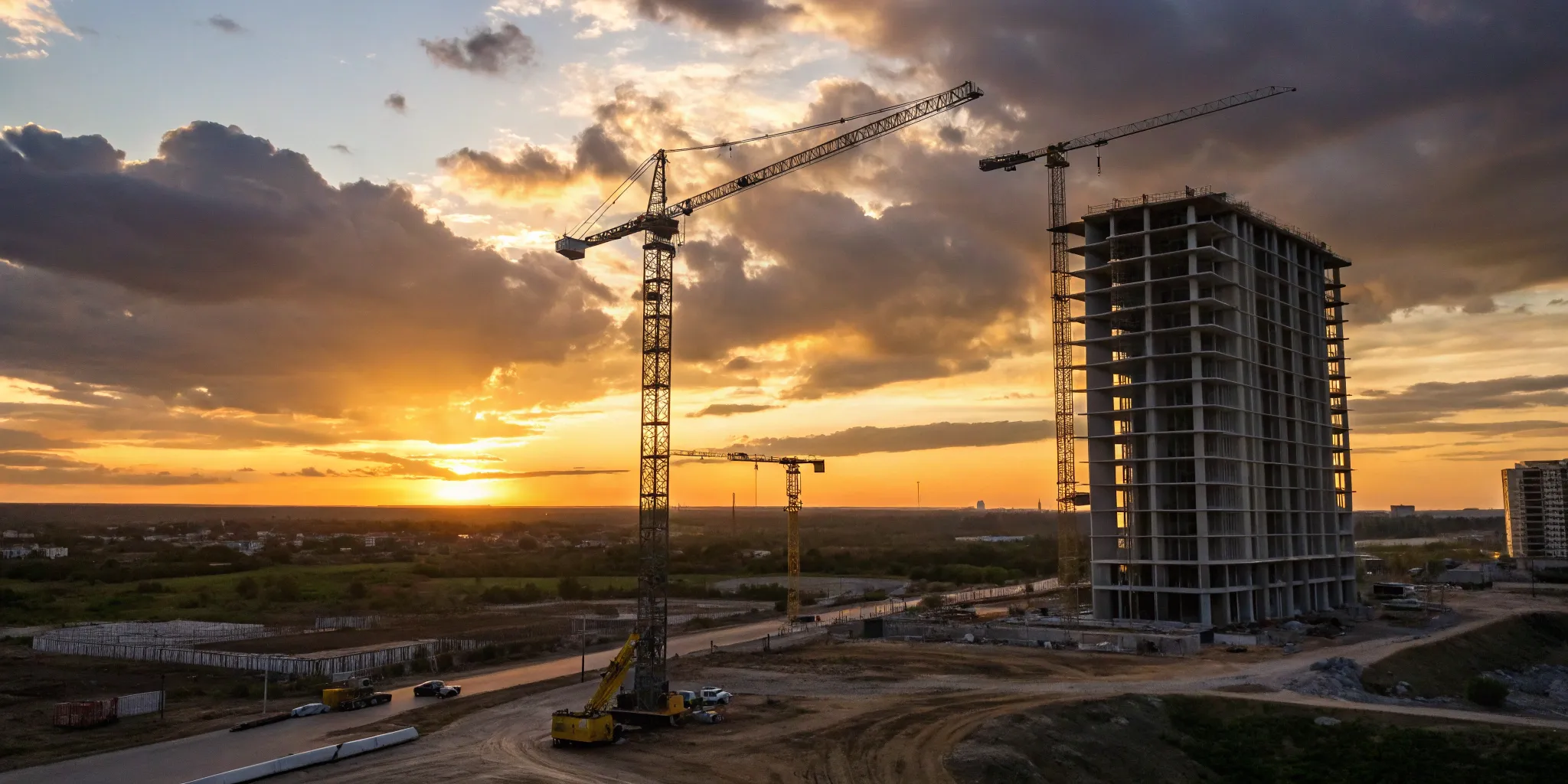
A great set of blueprints is only the beginning. The real challenge lies in translating that vision into a physical asset, and that’s where your construction partner comes in. It’s easy to assume that all contractors are more or less the same, but the difference between an average builder and a great one is their ability to manage the countless moving parts of a project with precision and foresight. A great construction company doesn't just follow instructions; they add value through proactive problem-solving and meticulous coordination. Let’s break down how to identify a team that can deliver not just a building, but a smooth, predictable, and successful project from groundbreaking to final walkthrough.
Key Takeaways
- The "Right" Partner is a Specialist: Don't treat all construction firms as interchangeable. The best results come from choosing a team with proven expertise in your specific asset class—whether it's multifamily, commercial, or hospitality—and a service model that fits your project's needs.
- A Proactive Process Prevents Problems: A great contractor doesn't just react to issues; they anticipate them. Look for a partner who uses modern project management tools, communicates transparently, and has a clear plan for navigating supply chain, labor, and scheduling challenges.
- Due Diligence Protects Your Investment: Beyond reviewing portfolios, always verify a firm's licensing, insurance coverage, and safety record. These fundamentals are the foundation of a professional partnership and provide the financial and legal protection your project requires.
What Does a Construction Company Actually Do?
What Does a Construction Company Actually Do?
When you’re ready to get a project off the ground, finding the right construction partner is one of the most critical decisions you’ll make. But the term “construction company” can mean a lot of different things. It’s not just about swinging hammers and pouring concrete. The best firms are strategic partners who manage immense complexity to bring your vision to life, on time and on budget.
Understanding the different roles a construction company can play is the first step in choosing the right one for your development. Whether you need a team to handle everything from initial sketches to final walkthroughs or a specialized crew for a specific task, knowing what to look for is key. Let’s break down the core functions you’ll encounter.
Design-Build Services
Traditionally, you’d hire an architect to design your project and then bid it out to a separate construction company to build it. The design-build model changes that. Here, a single firm takes responsibility for both the design and construction phases. This integrated approach fosters incredible collaboration from day one, ensuring architects and builders are working together to solve problems before they arise on-site. This synergy means fewer surprises, more accurate timelines, and a smoother process. Many modern firms offer comprehensive design-build services to streamline projects and deliver a final product that truly aligns with the initial vision.
General Contracting and Project Management
This is the role most people think of when they hear "construction company." As the general contractor, the firm is the central hub for the entire project. They are responsible for hiring and managing subcontractors (like electricians and plumbers), sourcing materials, maintaining schedules, and ensuring the project adheres to the budget and safety standards. A great general contractor provides end-to-end project management, giving you a single point of contact and the peace of mind that every detail is being handled efficiently. They are the conductors of the orchestra, making sure every piece comes together perfectly.
Specialized Construction
Beyond erecting buildings, many construction companies have deep expertise in more specific, foundational work. This can include everything from initial land preparation and grading for new commercial developments to complex infrastructure projects like bridges or underground utility installations. For developers working with raw land, finding a partner with a history in specialized construction is a huge advantage. These firms have the heavy equipment and technical know-how to tackle challenging site conditions, ensuring your project starts on a solid, stable foundation before the first wall ever goes up.
Choosing a construction company is one of the most critical decisions you’ll make for your development. This isn’t just about hiring a builder; it’s about finding a partner who will steward your vision from a blueprint to a physical asset. The right team will align with your financial goals, anticipate challenges, and communicate clearly every step of the way. A great partnership is built on a foundation of shared goals and mutual trust, ensuring your project stays on schedule and within budget. When you vet potential partners, you’re not just looking at their ability to build—you’re assessing their ability to collaborate, problem-solve, and deliver on their promises.
Evaluate Their Experience and Expertise
First, look beyond the number of years a company has been in business and focus on the right kind of experience. Does the firm have a proven track record with your specific asset class? Whether you’re developing multifamily housing, a commercial space, or a storage facility, you need a partner who understands the unique demands of that sector. A team with deep engineering expertise can provide critical value engineering, identifying cost-saving opportunities without compromising quality. This specialized knowledge is what separates a good contractor from a great one, as they can foresee potential issues and offer innovative solutions before they impact your timeline or budget. Look for a firm whose capabilities directly match your project’s needs.
Check Their Reputation and Credentials
A company’s reputation is a direct reflection of its performance. Look for a partner known for integrity, transparency, and consistent communication. You can learn a lot from how past clients describe their experience. Are they seen as proactive problem-solvers and true collaborators? These qualities are essential for a smooth and successful project. Beyond testimonials, verify their credentials. Ensure they hold the necessary licenses, are fully insured, and have a strong safety record. A firm that prioritizes compliance and safety demonstrates a commitment to professionalism and protecting your investment. This due diligence helps build the trust needed for a strong, long-term partnership and shows you how they operate day-to-day.
Review Their Portfolio of Past Projects
A portfolio is more than a gallery of finished buildings; it’s proof of a company’s ability to deliver. When you review a firm’s past projects, look for work that is similar in scale, complexity, and style to your own. This will give you a clear picture of their craftsmanship, attention to detail, and ability to execute a specific vision. A diverse and high-quality portfolio demonstrates consistency and adaptability. It shows that the company can handle various challenges and deliver exceptional results across different project types. Pay attention to the details in their work—it’s often the small things that reveal a commitment to excellence and a true passion for building.
What Really Drives Construction Costs?
When you’re looking at a project proposal, it’s easy to think of the total cost as a simple equation of materials plus labor. But the reality is far more complex. The final number on a bid is influenced by a dynamic mix of market forces, project-specific demands, and the efficiency of the team managing it all. Understanding these key drivers is the first step toward a predictable, on-budget build.
A successful project isn’t just about getting the best price on lumber or concrete; it’s about having a construction partner who understands how to manage the variables that can derail a budget. From volatile supply chains to the availability of skilled craftspeople, every element plays a role. Let’s break down the three biggest factors that determine the true cost of a construction project.
Material Selection and Market Conditions
The price of steel, lumber, and concrete can change dramatically based on global demand, shipping logistics, and even weather events. As recent years have shown, rising material costs and supply chain disruptions can significantly impact overall construction expenses. A proactive general contractor doesn’t just accept these costs—they plan for them. This involves smart sourcing, locking in prices when possible, and identifying alternative materials through value engineering to protect your budget without compromising quality. An experienced team brings deep market knowledge and supplier relationships to the table, helping you make informed decisions that keep your project financially sound from day one.
Labor Needs and Project Complexity
As projects become more intricate, the demand for highly skilled labor increases. The construction industry often faces skilled labor shortages, which can drive up costs and affect project timelines, especially for specialized developments like multifamily housing or commercial facilities. The complexity of your project dictates the expertise required. A simple warehouse build has different labor needs than a multi-story hospitality project with complex mechanical and electrical systems. The right construction partner has a vetted network of subcontractors and an in-house team with the specific experience your project demands. This ensures work is done correctly the first time, avoiding costly rework and delays.
Project Timelines and Scheduling
In construction, time truly is money. Every day added to the schedule means more cost in labor, equipment rentals, and project oversight. Managing costs and project timelines is a core challenge for any build, and a detailed, realistic schedule is the foundation of a successful outcome. Delays can stem from anything—permitting hold-ups, weather, or poor subcontractor coordination. A great construction partner uses modern project management tools and maintains clear, consistent communication to keep every phase on track. This proactive approach minimizes surprises and ensures the project moves forward efficiently, protecting your investment and your expected completion date.
How to Read Between the Lines of Client Reviews
Client testimonials and reviews offer more than just a star rating; they provide a detailed look into a construction company’s process and performance. But to get the full picture, you have to know what to look for. Vague praise is nice, but specific feedback is where you’ll find the truth about a potential partner’s reliability, communication style, and quality of work. Learning to spot these details will help you identify a contractor who not only delivers a great final product but also ensures a smooth, transparent process from start to finish.
Clues About Communication and Project Management
Look for reviews that describe how the contractor communicates. Comments like “they were always responsive” or “kept us informed every step of the way” are green flags. This indicates a team that values transparency and partnership. True effective communication in construction is about more than just weekly updates; it’s about proactively addressing issues and managing expectations. When a client mentions that the project manager was organized and made the process feel seamless, it’s a strong sign of a well-run operation that can handle the complexities of a large-scale project without leaving you in the dark.
Signs of Quality and Craftsmanship
It’s easy to fall for the misconception that all contractors deliver the same level of quality. To find out what a company is really capable of, look for reviews that get specific. Generic comments like “good work” don’t tell you much. Instead, search for mentions of specific details: the precision of the finishes, the durability of the materials used, or the team’s attention to detail. When a past client takes the time to praise the clean job site or the flawless execution of a complex design element, it speaks volumes about the contractor’s commitment to high standards and true craftsmanship.
Proof of On-Time, On-Budget Delivery
Meeting deadlines and staying within budget are two of the biggest challenges in any construction project. Reviews are one of the best places to see a contractor’s track record in these areas. Look for explicit mentions of projects being completed “on schedule” and “within budget.” Even more telling is how a team handles unexpected issues. If a review mentions that the contractor navigated a supply chain delay or a site complication without derailing the timeline or budget, you’ve likely found a skilled problem-solver. This demonstrates a firm’s ability to manage the common execution challenges that can arise during a build.
Common Myths About Construction Companies, Debunked
The construction industry can feel complex from the outside, and over time, a few key misunderstandings have become common knowledge. But relying on these myths can lead to mismatched expectations and project friction. Let's clear up some of the biggest misconceptions so you can move forward with clarity and find a partner who truly fits your project's needs.
A successful build is grounded in a transparent partnership, and that starts with understanding what a great construction firm actually brings to the table. From proactive problem-solving to meticulous coordination, the right team does more than just follow a blueprint—they guide your vision from concept to completion.
Myth: All Contractors Offer the Same Service
It’s easy to think that one general contractor is pretty much the same as the next, but that couldn't be further from the truth. The reality is that firms vary dramatically in their expertise, processes, and the specific markets they serve. A company that excels at building single-family homes won't have the same skill set as a team that specializes in large-scale multifamily or commercial projects.
Choosing the right partner means looking for proven experience in your specific asset class. Whether it's a hospitality project or a new storage facility, you need a team that understands the unique challenges and requirements involved. True specialized construction services involve deep knowledge of relevant building codes, material sourcing, and the construction methods that ensure a durable, high-quality result.
Myth: Projects Always Go Exactly as Planned
In a perfect world, every project would finish ahead of schedule and under budget without a single hiccup. But construction happens in the real world, where unexpected challenges are part of the process. Factors like severe weather, supply chain disruptions, or unforeseen site conditions can impact timelines and require adjustments. A detailed plan is the foundation, but it’s not a guarantee against the unexpected.
This is why your contractor’s ability to problem-solve is just as important as their ability to build. A great partner doesn't just react to issues—they anticipate them. They build contingency into the schedule, maintain open communication when challenges arise, and have the experience to find efficient solutions that keep the project moving forward. It’s this proactive management that separates an average contractor from a true project partner.
Myth: Construction Management Is Just Paperwork
Some people view construction management as an unnecessary layer of administrative overhead. They see it as someone sitting in a trailer shuffling papers and creating reports. This myth overlooks the most critical function of a construction manager: actively steering the project toward success. Effective management is the engine that keeps a project on time and within budget.
Far from being just paperwork, it involves the complex coordination of dozens of subcontractors, suppliers, and inspectors. It’s about constant communication, quality control, and making critical decisions every single day. This hands-on oversight ensures that everyone is working together efficiently and that the quality of work meets the highest standards. It’s the difference between a chaotic job site and a well-orchestrated build.
Understanding Common Project Management Hurdles
Every construction project, no matter how well-planned, will face its share of challenges. The real measure of a construction partner isn’t whether they can avoid every issue—that’s impossible—but how they anticipate, manage, and communicate through them. From fluctuating material prices to coordinating dozens of skilled tradespeople, handling these hurdles requires experience, foresight, and a solid plan. A proactive general contractor doesn't just build your project; they protect it from the predictable and unpredictable risks that can derail timelines and inflate budgets. This is where a seasoned team proves its worth, turning potential setbacks into managed solutions. We believe that transparency is key. When an issue arises, you should be the first to know, along with our proposed solution. Our job is to absorb the complexity and present you with clear, actionable information so you can make informed decisions without getting bogged down in the day-to-day minutiae. Ultimately, successful project management is about steering the ship through calm and choppy waters with equal confidence, ensuring we reach our destination on time and on budget.
Supply Chain and Material Costs
It’s no secret that rising material costs and supply chain disruptions can significantly impact project timelines and budgets. One week, lumber prices are stable; the next, they’ve shot up, while the specific steel beams you need are stuck in transit. An experienced construction firm manages this volatility by leveraging strong supplier relationships and planning procurement far in advance. We focus on value engineering, identifying alternative materials or methods that meet your quality standards without compromising the schedule. Our approach to comprehensive construction services means we’re always looking ahead to secure the resources your project needs, keeping your budget and timeline on track.
Labor Shortages and Finding Skilled Teams
The construction industry often faces challenges with skilled labor shortages, making it difficult to assemble qualified teams to complete projects efficiently. Without the right people on site, quality can suffer and schedules can slip. This is why we’ve spent years building a network of trusted, vetted subcontractors and skilled tradespeople who share our commitment to excellence. Our reputation for running organized, safe, and respectful job sites helps us attract and retain top talent. When you work with us, you’re not just hiring a general contractor; you’re gaining access to an entire ecosystem of proven professionals who know how to get the job done right.
Communication and Coordination Gaps
A construction site is a complex environment with dozens of stakeholders, from architects and engineers to subcontractors and inspectors. When communication breaks down, it can lead to costly rework and frustrating delays. We prevent these gaps by establishing a clear and consistent communication plan from day one. You’ll have a dedicated project manager as your single point of contact, ensuring you always know who to call with questions. Through regular updates, detailed progress reports, and transparent conversations, we make sure every member of the project team is aligned and informed. This commitment to clear communication is the foundation for a smooth and predictable building process.
What Great Communication and Transparency Look Like
Communication is the bedrock of a successful construction project. It’s more than just returning calls; it’s about building a system of trust where information flows freely and accurately. When you’re evaluating a construction partner, their approach to communication is just as important as their portfolio. A team that prioritizes transparency ensures there are no surprises, keeping your project on schedule and within budget. This commitment to clear, consistent updates is a core part of our construction services and what sets a reliable firm apart from the rest. It’s about creating a partnership where you are always informed and in control.
Great communication means you have a direct line to your project leaders and receive proactive updates without having to chase them down. It means complex issues are explained clearly, with solutions presented alongside challenges. This level of transparency transforms the client-contractor relationship from a simple transaction into a true collaboration. It’s the difference between feeling anxious about the unknown and feeling confident that your project is in capable hands. Ultimately, a contractor’s communication style is a direct reflection of their respect for your time, your investment, and your vision.
Real-Time Project Tracking
Imagine a central hub where everyone involved in your project—from the field crew to the project manager to you, the client—sees the exact same information at the same time. That’s the power of real-time project tracking. This system connects the job site to the office, allowing for instant updates on progress, material deliveries, and potential issues. It eliminates the guesswork and delays that come from outdated information. Instead of wondering about the status of a punch list or budget allocation, you have a live view of every critical detail, ensuring decisions are based on the most current data available. This level of project visibility is essential for modern construction.
Modern Construction Management Software
The right tools make all the difference. Top-tier general contractors use sophisticated construction management software to streamline every phase of a project. These platforms do more than just store documents; they help create highly accurate estimates, manage resources efficiently, and automate critical workflows. By centralizing all project information, from blueprints to change orders, this software significantly reduces the risk of human error. It ensures that architects, engineers, and subcontractors are all working from the same plans, which prevents costly rework. Investing in these digital tools isn't a luxury—it's a fundamental part of delivering projects with precision and reliability.
Consistent Updates and Progress Reports
Technology is powerful, but it’s the human element that builds true partnerships. A great contractor never leaves you in the dark. They establish a clear rhythm for communication, whether it’s through scheduled weekly progress reports, regular site meetings, or direct access to a client portal. Proactive updates are key—you should be hearing about milestones and potential challenges before you even have to ask. This consistent flow of information builds trust and ensures your expectations are aligned with the project's reality every step of the way. It’s about making you feel like a true partner in the process, fully informed and confident in the direction of your investment. This is the standard of communication you should expect when you start a project.
The Construction Project Lifecycle: From Start to Finish
Every construction project, whether it's a multifamily complex or a commercial warehouse, follows a predictable path from concept to completion. Understanding this lifecycle helps you know what to expect and how to evaluate your construction partner at each stage. A great general contractor doesn't just build; they guide you through every phase, ensuring a smooth process and a successful outcome. The journey is typically broken down into three key stages: pre-construction, construction, and post-construction. Each phase has its own set of goals, challenges, and milestones that are critical to getting the project done right, on time, and within budget.
Pre-Construction: Planning and Permitting
This is where the magic really begins—long before the first shovel hits the ground. The pre-construction phase is all about laying a solid foundation through meticulous planning, design, and preparation. It involves everything from initial site assessments and feasibility studies to developing detailed budgets and schedules. A key part of this stage is securing all necessary permits, which can be a complex process. Your construction partner should be an expert in handling local regulations to avoid costly delays. This is also the time for value engineering, where we collaborate with architects and engineers to find the most efficient and cost-effective ways to bring your vision to life without compromising quality.
Construction: Execution and On-Site Oversight
Once the plans are finalized and permits are in hand, it’s time to build. The construction phase is when the blueprints become a physical reality. This stage is managed by a dedicated project manager who oversees all on-site activities, from coordinating subcontractors and managing material deliveries to ensuring safety protocols are followed. Effective management is crucial for keeping the project on schedule and within budget, as managing costs and timelines is one of the biggest challenges in the industry. Constant communication and on-site oversight ensure that the work aligns with the design specifications and quality standards we set during the planning phase. This is where a proactive team makes all the difference.
Post-Construction: Handoff and Warranties
The project isn't over just because the building is standing. The post-construction phase ensures a seamless transition from the construction site to a fully operational property. This involves a final walkthrough to create a "punch list" of any remaining items that need attention, as well as compiling all necessary documentation, including manuals and as-built drawings. A thorough quality management system is essential for confirming every detail meets your expectations. Finally, we’ll officially hand over the keys and provide all warranty information, giving you peace of mind that your investment is protected for the long term. Our goal is to ensure your complete satisfaction and build a lasting partnership.
How Technology Shapes Modern Construction
Technology has fundamentally changed the construction landscape, moving it far beyond blueprints and physical labor. For developers and investors, this shift is great news. Modern construction firms now use a suite of digital tools and advanced methods to deliver projects with greater precision, transparency, and efficiency. From the initial design phase to the final walkthrough, technology helps ensure your project stays on schedule and within budget. It allows for better collaboration between architects, engineers, and contractors, and it gives you, the client, a clearer window into the entire process. This digital transformation isn't just about fancy software; it's about creating a more predictable and reliable construction experience that protects your investment and delivers a higher-quality final product.
Digital Tools for Project Management
Gone are the days of managing a complex project with spreadsheets and phone calls alone. Today, integrated project management platforms are the central nervous system of any well-run construction site. These tools handle everything from scheduling and resource allocation to budget tracking and daily reporting. For our clients, this means unprecedented transparency. You can access real-time updates, view progress photos, and approve change orders directly from your computer or phone. This level of digital organization streamlines communication, minimizes delays, and ensures everyone—from the developer to the subcontractor—is working from the same playbook. It’s a core part of our construction services and a key reason we can manage complex projects effectively.
Sustainable and Green Building Practices
Building sustainably is no longer a niche request—it’s a smart business decision. Technology plays a huge role in making green building practices both achievable and cost-effective. Advanced software helps us model energy efficiency, optimize natural lighting, and select sustainable materials with the best long-term value. This data-driven approach allows us to design buildings that have lower operating costs and a smaller environmental footprint. By focusing on eco-friendly solutions, we not only meet evolving regulatory requirements but also build trust with clients and communities. These practices result in durable, high-performance assets that are more attractive to tenants and hold their value over time, aligning with the standards set by organizations like the U.S. Green Building Council.
Advanced Construction Methods
To tackle the growing complexity of modern projects, we rely on advanced methods like Building Information Modeling (BIM). Think of BIM as a complete digital rehearsal of your project. Before we ever break ground, we build a detailed 3D model that contains every component of the structure, from the foundation to the electrical wiring. This model allows us to identify and resolve potential conflicts—like a pipe running through a support beam—during the design phase, not after construction has started. This proactive problem-solving prevents costly rework and delays, directly addressing the industry's historical productivity challenges. By leveraging these methods, we can deliver intricate commercial and multifamily projects with greater accuracy and efficiency.
The Non-Negotiables: Licensing, Insurance, and Compliance
Before you sign a contract or break ground, there are a few fundamental checks that can save you from major headaches down the road. Think of these as the essential due diligence that protects your investment, your timeline, and your peace of mind. A truly professional construction partner will have these ducks in a row without you even having to ask, but it’s always your responsibility to verify. Let’s walk through the three absolute non-negotiables that separate the pros from the pack.
Verify Professional Licensing and Certifications
It’s a common misconception that all contractors bring the same level of skill to the table. The truth is, expertise varies widely, and that’s why verifying a company’s professional licenses is your first line of defense. A valid license proves that a contractor has met the specific training and qualification standards required by state and local authorities. It’s a baseline indicator that they understand building codes, safety protocols, and industry best practices. Don’t just take their word for it—ask for their license numbers and check them against the official state database. This simple step ensures you’re working with a qualified team that can execute your project safely and effectively.
Confirm Insurance Coverage and Bonding
Proper insurance isn’t just a formality; it’s your project’s financial safety net. Your construction partner must carry adequate coverage to protect you from potential liabilities. This typically includes general liability insurance for on-site accidents and workers’ compensation for their crew. For large-scale projects, you should also confirm they are bonded. A surety bond provides you with financial protection if the contractor fails to complete the job or meet their obligations. Verifying these documents ensures that if something unexpected happens, from an injury to a project default, your investment remains secure and you aren’t left holding the bag for issues you didn’t create.
Check Safety Standards and Regulatory Compliance
A company’s approach to safety says a lot about its professionalism and operational discipline. A safe job site is an efficient job site. Your partner should have a robust safety program and a clear record of adhering to all OSHA regulations. Staying current with these standards is a constant effort, but it’s critical for protecting workers and minimizing the risk of costly delays, fines, or legal issues. Ask potential partners about their safety protocols and how they ensure compliance on every project. A team that prioritizes safety is a team that respects its people, your project, and your investment.
Related Articles
- 5 Best Construction Management Companies to Hire
- How to Vet a Commercial Construction Company
- What is Construction Management? An Owner's Guide
- Choosing the Right Austin Construction Company
Frequently Asked Questions
When should I consider a design-build approach versus the traditional model? A design-build approach is a great fit when you want to simplify the process and ensure your budget and design are aligned from the very beginning. By having the design and construction teams work together under one contract, you foster collaboration that catches potential issues before they become expensive on-site problems. It creates a single point of responsibility, which often results in a smoother, more efficient project from start to finish.
How do you manage unexpected costs or changes during a project? Changes are a natural part of any complex project, but they should never be a surprise. We handle them with complete transparency through a clear change order process. This means you will see exactly how any proposed adjustment affects the budget and timeline before you ever have to approve it. Our goal is to anticipate as much as possible during pre-construction, but when changes are necessary, you will always have the clear information needed to make a confident decision.
What happens if my project runs into an unavoidable delay, like a supply chain issue? Our first step is always immediate and clear communication. The moment we identify a potential delay, we inform you and present a plan to address it. We don't just bring you problems; we bring you solutions. This might involve sourcing alternative materials through our supplier network or adjusting the project schedule to keep other phases moving forward. Our job is to actively manage these hurdles and protect your completion date.
Beyond your portfolio, what truly defines a successful partnership with a client? A portfolio shows what we can build, but a successful partnership is defined by how we work together. It’s built on a foundation of trust and consistent, open communication. It means you feel confident that we are stewarding your investment with the same care you would. A successful project is the natural result of a strong relationship where everyone is aligned on the same goals and there are no surprises along the way.
What level of involvement will I need to have as the client once construction begins? Our process is designed to keep you fully informed without overwhelming your schedule. We establish a clear communication rhythm from the start, providing regular progress reports and access to our project management system so you can check in anytime. You will have a dedicated project manager as your single point of contact, ensuring you can get answers quickly. We manage the daily complexities so you can focus on the key decisions.
About the Author

Tomer Benshushan is a seasoned general contractor and developer with over a decade of experience leading large-scale commercial and multifamily construction projects across Texas and beyond. As founder of Pillars of Seven, he specializes in ground-up development, restoration, and design-build execution for multifamily, warehouse, and storage facilities. Tomer is known for his hands-on approach, attention to detail, and commitment to delivering high-quality builds that balance design, efficiency, and long-term performance.