A Developer's Guide to Industrial Construction Companies
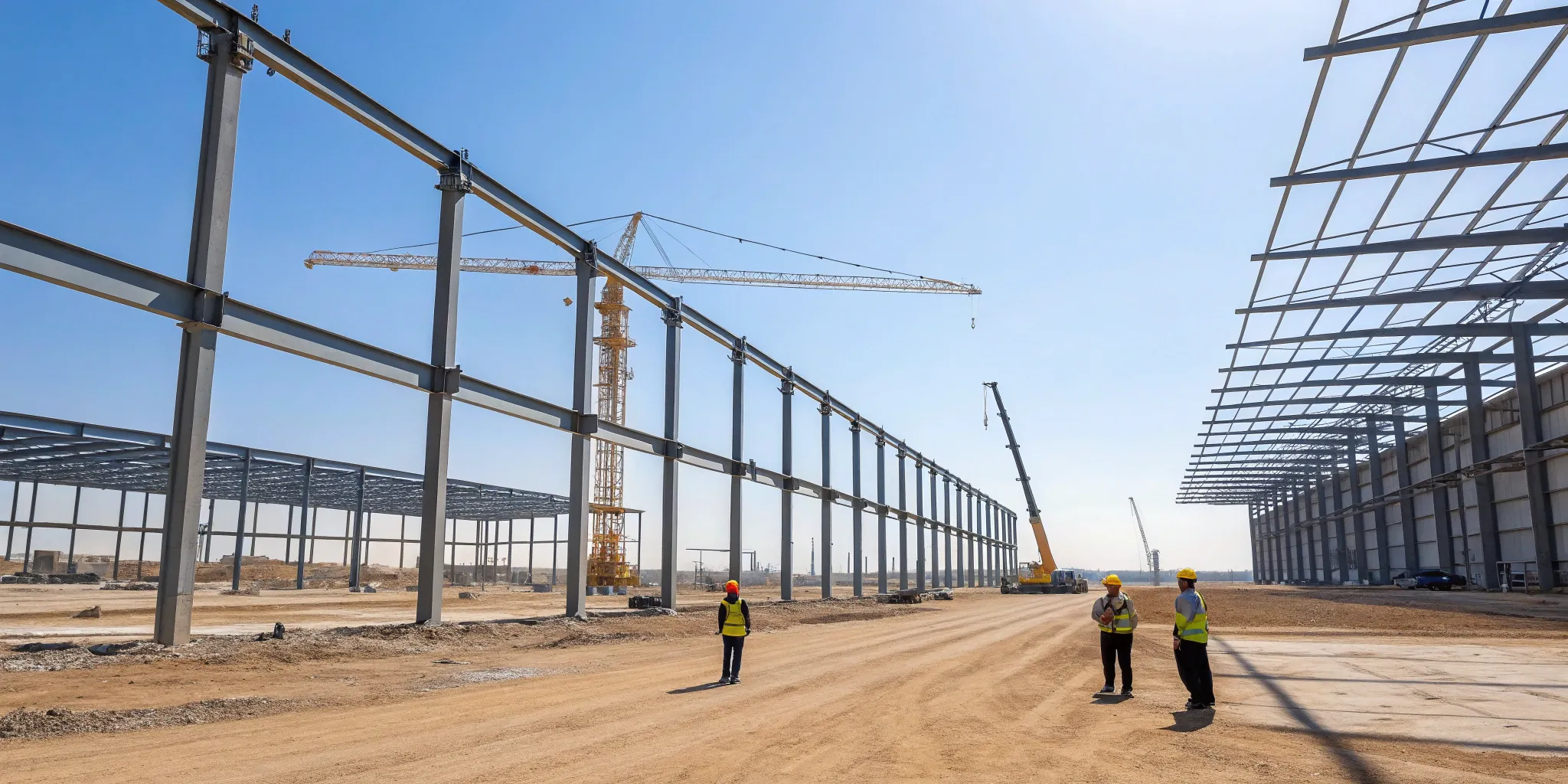
If you needed complex heart surgery, you wouldn’t go to a general practitioner. You’d seek out a specialist with years of focused experience. The same logic applies to building a large-scale warehouse, manufacturing plant, or specialized storage facility. These projects involve intricate systems, heavy structural loads, and unique operational demands that fall outside the scope of typical commercial construction. Industrial construction companies are the specialists in this field. They bring a deep understanding of the specific challenges and requirements of these complex environments. Choosing a firm without this dedicated expertise is a gamble that can lead to costly design flaws, schedule delays, and a final product that doesn't meet your needs.
Key Takeaways
- Prioritize Integrated Services for a Streamlined Process: An industrial builder is more than a contractor; they are a strategic partner. Look for firms offering comprehensive services like design-build and construction management to simplify communication, reduce risk, and ensure your project is managed efficiently from start to finish.
- Verify Experience, Specialization, and Safety: Your decision should be based on a builder's proven history. Scrutinize their portfolio for similar industrial projects, confirm their expertise aligns with your specific needs, and always check their safety records and client references to ensure you're hiring a reliable and professional team.
- Look for Proactive Management of Costs and Challenges: The best industrial builders don't just react to problems—they anticipate them. Ask detailed questions about how they handle budget management, supply chain disruptions, and regulatory compliance to find a partner who can protect your investment by solving issues before they impact your timeline.
What Is an Industrial Construction Company?
Think of an industrial construction company as a specialized partner for large-scale, complex projects. Unlike residential or light commercial builders, these firms have the expertise and resources to construct facilities like manufacturing plants, power plants, and large warehouses. They handle projects that demand a deep understanding of structural engineering, heavy machinery, and intricate operational systems. For developers and investors, partnering with an industrial builder means you’re working with a team that is equipped to manage the unique challenges of building facilities designed for production, storage, and distribution. They are the experts you bring in when the scale and technical requirements of a project go beyond the standard.
Core Services and Specializations
At their core, industrial construction companies provide a range of services tailored to complex building needs. This often starts with pre-construction planning, site evaluation, and feasibility studies to ensure your project is viable from day one. Their primary offerings typically include design-build services, where one team handles both the design and construction phases, creating a more streamlined and efficient process. You can also expect them to offer general contracting and construction management, where they oversee every aspect of the build, from managing subcontractors to ensuring safety and quality control. These firms are specialists in executing large, system-heavy projects that require precision and technical skill.
Key Industries They Serve
Industrial builders work across a wide spectrum of sectors that form the backbone of the economy. Their expertise is critical in the manufacturing industry, where they construct everything from automotive plants to food processing facilities. They are also essential players in the logistics and distribution sector, building the massive warehouses and fulfillment centers that power modern commerce. Other key industries include energy, where they build power plants and processing facilities, and specialized sectors like cold storage and data centers. By focusing on these areas, industrial construction companies develop a deep knowledge of the specific operational needs and regulatory requirements of each industry.
What Services Should You Expect from an Industrial Builder?
When you partner with an industrial construction company, you’re hiring more than just a team to pour concrete and raise walls. You’re bringing on a strategic partner whose expertise should cover every phase of your project, from initial sketches to final inspections. A full-service industrial builder provides a comprehensive suite of services designed to streamline development, manage risk, and deliver a high-quality asset ready for operation.
Their role is to act as the central hub for your project, coordinating architects, engineers, subcontractors, and suppliers. This ensures everyone is aligned with your goals for budget, timeline, and quality. Key services range from pre-construction planning and site development to the installation of complex industrial systems and the integration of modern construction technology. Understanding this full scope of capabilities helps you select a partner who can truly manage your project from the ground up, allowing you to focus on the bigger picture of your investment.
Design-Build and Integrated Project Delivery
The design-build model is one of the most efficient ways to approach an industrial project. Instead of hiring separate architecture and construction firms, you work with a single entity that manages both design and construction under one contract. This creates a unified team with a single point of responsibility, which simplifies communication and reduces the risk of conflicts between the designer and the builder. This integrated approach is especially valuable for managing the complex flow of information on a project. With construction firms navigating an increasingly complex landscape of document management, having one team in charge from the start helps streamline workflows and prevent costly errors.
Construction Management and General Contracting
While often used interchangeably, construction management (CM) and general contracting (GC) are distinct services. As a general contractor, the firm executes the construction based on plans provided by your architect. As a construction manager, the firm acts as your advisor and representative from the very beginning, overseeing planning, design, and construction. An experienced CM can add immense value during pre-construction by identifying potential issues long before they become expensive problems. By pinpointing risks early in the process, project managers can address issues before they escalate, avoiding construction delays, cost overruns, or safety incidents that could derail your project.
Site Development and Civil Work
Before any vertical construction can begin, the site itself must be prepared. This foundational stage, known as site development and civil work, includes land clearing, grading, excavation, and the installation of essential utilities like water, sewer, and electrical systems. It also involves creating roads, parking lots, and drainage solutions. This phase is critical to the project's long-term success, as mistakes made here can be difficult and expensive to fix later. An experienced industrial builder anticipates and manages the common challenges that can impact site work, such as documentation errors, contract changes, and labor shortages, ensuring your project starts on solid ground.
Installing Specialized Industrial Systems
Industrial facilities are far more than empty shells. They require complex mechanical, electrical, and plumbing (MEP) systems, along with specialized equipment tailored to their specific purpose—whether it's for manufacturing, logistics, or data storage. A qualified industrial builder has the expertise to manage the procurement and installation of these intricate systems, from advanced HVAC and fire suppression to heavy machinery and processing equipment. Properly coordinating these installations is crucial, as poor management can lead to significant project delays and budget overruns. Your builder should have a proven process for integrating these systems seamlessly into the overall construction schedule.
Integrating Advanced Technology and BIM
Top industrial builders use advanced technology to improve efficiency, accuracy, and collaboration. One of the most impactful tools is Building Information Modeling (BIM), which creates a detailed 3D digital model of your project. This model allows the team to visualize the entire building, identify potential conflicts between systems before construction begins, and plan logistics more effectively. Beyond BIM, forward-thinking firms are also adopting other innovations. Many are moving toward supply chain technologies to help them reduce extra costs associated with surplus materials and better manage procurement timelines, giving them a competitive advantage in delivering your project efficiently.
How to Choose the Right Industrial Construction Partner
Choosing your construction partner is one of the most critical decisions for your industrial project. The right team doesn't just build; they anticipate challenges, offer solutions, and drive the project toward a successful, on-time completion. A great partnership is built on trust, transparency, and a shared commitment to your goals. To find a builder who fits this description, you can focus your evaluation on four key areas: their experience, specialization, safety record, and reputation. Taking the time to thoroughly vet potential partners on these fronts will pay dividends throughout the entire construction process.
Evaluate Their Experience and Track Record
A builder’s portfolio is your first stop. A long history of successful industrial projects proves they can handle the scale and complexity your development requires. An experienced partner can pinpoint risks early, addressing issues before they become costly delays or budget overruns. Their track record should give you confidence that they know how to deliver quality results, from site work to final inspection. Review their past projects to see if their work aligns with your vision and standards for quality and durability.
Confirm Their Industry Specialization
Industrial construction isn't one-size-fits-all. A firm specializing in warehouses will understand the demands for logistics and durable flooring better than a generalist. Specialists bring industry-specific knowledge that streamlines design and construction, ensuring the facility is perfectly suited for its intended use. They know how to deliver high-quality work on time and within budget because they’ve solved similar problems before. When you review a firm’s capabilities, make sure their expertise matches your project’s specific goals.
Verify Licenses, Certifications, and Safety Records
A builder’s commitment to safety reflects their professionalism and operational discipline. Ask for their safety records, including their Experience Modification Rate (EMR)—a low number indicates a proactive safety culture. Given the common safety challenges on industrial sites, you need a partner who prioritizes the well-being of everyone involved. Verifying their licenses, insurance, and bonding capacity is also a crucial step to protect your investment and ensure they are fully compliant with all state and local regulations.
Check Client References and Reputation
A great builder will have a long list of happy clients who are willing to vouch for them. Ask for references from recent, relevant projects and make the calls. Ask past clients about the builder’s communication, problem-solving skills, and whether they’d hire them again. A high rate of repeat business is one of the strongest indicators of a reliable partner. You can also check online reviews and talk to others in the industry to get a sense of their reputation. A trustworthy firm will be transparent and eager to connect you with past clients.
Top Industrial Construction Companies to Watch
The industrial construction landscape is filled with talented firms, from national powerhouses to specialized regional experts. Understanding who the key players are can help you benchmark quality and find a partner whose capabilities align with your project’s specific needs. Whether you’re looking for a builder with a nationwide reach or a team with deep local expertise, these are some of the companies making a mark in the industry. They are known for their reliability, innovative approaches, and proven track records in delivering complex projects on time and on budget.
Pillars of Seven
At Pillars of Seven, we specialize in bringing complex commercial, self-storage, multifamily, and hospitality projects to life across the United States. Our team combines over a decade of engineering expertise with a commitment to efficiency and high-quality results. We focus on being a true partner to developers and investors, managing everything from site development to final delivery with a focus on clear communication and compliance. Our portfolio of projects showcases our ability to handle diverse construction challenges while ensuring every detail aligns with our client's vision and financial goals. We thrive on building long-term relationships grounded in trust and exceptional outcomes.
National Industry Leaders
On the national stage, a few firms have established themselves as go-to builders for large-scale industrial projects. For over 75 years, STEVENS has been a leader in the industrial sector, working with clients across manufacturing, energy, and government sectors. Their extensive experience gives them a deep understanding of what industrial construction entails. Another major player is The Walsh Group, which has earned recognition for its work on significant projects and is consistently ranked among the top firms in major markets like Chicago. These companies have the resources and reach to manage massive, multifaceted developments anywhere in the country.
Regional Specialists
Some of the most impressive work comes from regional specialists who bring deep local knowledge to the table. In the Chicago area, firms like Power Construction have built a century-long legacy by creating specialized teams for different project types. Similarly, Boldt focuses on delivering advanced industrial facilities with precision and modern solutions. Other firms, like Healy Construction Services, are known for their commitment to quality and safety on industrial projects across the country. These specialized builders demonstrate that deep expertise in a specific market or project type is invaluable for tackling unique construction challenges.
Understanding Industrial Construction Costs
Figuring out the budget for an industrial project can feel like hitting a moving target. With so many variables at play, from global market shifts to the specific conditions of your site, it’s easy to see why costs can be hard to pin down. But a clear understanding of what drives expenses is the first step toward creating a realistic budget and choosing a construction partner who can deliver on it. By breaking down the major cost factors and knowing what to look for in a bid, you can approach your project with confidence and financial clarity.
The goal isn’t just to get a low price—it’s to get the best value. That means finding a builder who is transparent about costs, proactive in managing risks, and committed to keeping your project on track financially from day one. Let’s get into the key elements that will shape your project’s budget and how you can effectively plan for them.
Factors That Influence Project Costs
Several key factors can cause your project’s budget to shift. Broader economic uncertainty often plays a major role, as inflation and tariffs can directly impact the cost of goods and services, making initial estimates less reliable. Keeping an eye on these trends is crucial for anticipating potential budget adjustments down the line.
Material prices are another significant variable. The costs of essentials like steel, concrete, and lumber can change quickly due to supply chain disruptions and market demand. A good construction partner will help you account for this volatility. Finally, don’t forget site-specific details. The location, soil conditions, and existing infrastructure can all introduce unique costs related to preparation and development.
How to Budget and Compare Bids
When you’re ready to budget, start with a detailed and comprehensive scope of work. The more specific you are, the more accurate your bids will be. As you compare proposals, look past the final number. A low bid might leave out critical items or fail to include a sufficient contingency fund for unexpected issues. A trustworthy partner will provide a transparent, line-item breakdown that explains exactly where your money is going.
Ask potential builders how they manage financial risks. Proactive firms use robust practices like contingency planning and real-time cost tracking to prevent surprises. They also leverage technology to ensure office and field teams are working from the same data, which keeps the project efficient and accountable. This approach allows them to identify and address issues early, protecting your timeline and budget.
Why Hire an Experienced Industrial Builder?
When you’re developing an industrial property, your general contractor is the partner responsible for turning your pro forma into a profitable asset. The right builder protects your investment by anticipating problems, controlling costs, and ensuring the final product is sound. Choosing an experienced industrial construction firm is a fundamental strategy for managing risk and achieving your financial goals. A seasoned team understands the unique demands of industrial projects, from complex MEP systems to site logistics. They bring a level of foresight that a less experienced contractor can't offer, which proves invaluable when facing unexpected challenges.
Ensure Quality and Manage Risk
Industrial construction is a high-stakes environment. An experienced builder has seen it all and knows how to get ahead of issues before they impact your project. Their team can pinpoint risks early in the process, from site logistics to material specifications, preventing delays or budget overruns. In an industry facing challenges like labor shortages and economic uncertainty, this proactive approach is critical. A veteran builder implements proven systems for quality control and risk management, giving you confidence that your project is built to last.
Keep Your Project on Time and on Budget
Nothing erodes investor confidence faster than a project that’s behind schedule and over budget. An experienced industrial builder understands that you need to deliver excellent work on time and within the agreed-upon costs. They achieve this through meticulous planning and transparent financial management, implementing robust budgeting with contingency planning and real-time cost tracking. Their deep network of subcontractors and suppliers helps secure competitive pricing and reliable labor. This financial discipline ensures your project stays on track from groundbreaking to completion.
Meet Safety and Regulatory Standards
Industrial sites are governed by complex safety protocols and building codes. A seasoned builder knows that compliance with industry regulations is non-negotiable. They manage all necessary permits, inspections, and documentation, ensuring the project meets or exceeds all local, state, and federal requirements, including OSHA standards. This focus on safety and compliance protects workers and shields you from the risk of fines, work stoppages, and legal liabilities. Entrusting this to an expert lets you focus on the bigger picture.
Common Challenges in Industrial Construction
Even the most straightforward industrial projects come with their share of complexities. From groundbreaking to final inspection, developers and investors face a number of potential hurdles that can impact timelines and budgets. Understanding these common challenges ahead of time is the first step in creating a solid plan to address them.
More importantly, it highlights why partnering with an experienced industrial builder is so critical. The right general contractor doesn't just build your facility; they anticipate these issues and have the systems and relationships in place to solve problems before they derail your project. Let’s look at some of the key challenges you’re likely to encounter.
Skilled Labor Shortages
It’s no secret that the construction industry is facing a significant shortage of skilled workers. For developers, this isn't just an industry headline—it's a real-world problem that can directly affect your project. When demand for qualified electricians, welders, and concrete specialists outpaces supply, it can lead to scheduling delays and drive up labor costs, putting pressure on your budget.
This is where a general contractor's network becomes invaluable. An established builder has deep, long-standing relationships with trusted subcontractors. They know who does quality work and who can reliably staff a job. Before you hire a firm, ask them how they plan to secure the skilled labor needed to keep your project on track and avoid costly delays caused by workforce gaps.
Supply Chain Disruptions and Material Costs
In recent years, supply chain volatility has become one of the biggest sources of uncertainty in construction. Fluctuating material costs for essentials like steel, concrete, and lumber can make it incredibly difficult to establish a firm budget. On top of that, long lead times for specialized equipment or building components can throw your entire project schedule off course.
An experienced industrial builder mitigates these risks through proactive procurement and smart planning. They leverage strong relationships with suppliers to secure materials and pricing early on. They also excel at value engineering, suggesting alternative materials or methods to keep your project on budget without sacrificing quality. This strategic approach to managing the supply chain is essential for protecting your bottom line.
Complex Regulations and Documentation
Industrial projects are subject to a mountain of regulations, from local zoning ordinances and environmental permits to federal safety standards. Managing the sheer volume of paperwork, inspections, and compliance documentation is a full-time job in itself. A single missed filing or failed inspection can halt construction for weeks, leading to significant cost overruns and frustrating delays.
This is an area where a seasoned general contractor provides immense value. They have dedicated teams who understand the local regulatory landscape and have streamlined processes for managing all necessary documentation. By ensuring every permit is secured and every inspection is passed on time, they keep the project moving forward smoothly and protect you from potential legal and financial headaches.
Adopting New Technology
Technology is transforming the construction industry, with tools like Building Information Modeling (BIM), drones, and project management software offering huge gains in efficiency and accuracy. However, simply owning the technology isn't enough. The real challenge lies in integrating these different systems and ensuring the entire project team—from architects to subcontractors—can use them effectively.
When vetting a builder, ask to see how they use technology to improve communication and transparency. A tech-forward firm can provide you with real-time updates, 3D models that help you visualize the finished space, and detailed progress reports. This digital integration not only makes the process more efficient but also gives you greater confidence and clarity from start to finish.
Key Trends Shaping Industrial Construction
The industrial construction landscape is constantly evolving, driven by new technologies, environmental demands, and the need for greater efficiency. For developers and investors, staying aware of these shifts is key to building projects that are not only competitive today but also viable for years to come. Here are three major trends making an impact on how industrial facilities are designed and built.
Sustainable and Green Building Practices
The push for sustainability is no longer a niche interest; it’s a core business consideration. A growing focus on sustainable construction is reshaping how industrial projects get done, from initial design to material selection. For developers, this means incorporating energy-efficient systems, using recycled or locally sourced materials, and designing for reduced water consumption. Adopting green building practices isn't just about environmental responsibility—it can also lead to lower long-term operating costs, meet regulatory requirements, and attract tenants who value corporate social responsibility. It’s a strategic move that adds lasting value to your asset.
Modular and Prefabricated Construction
Speed to market is critical in the industrial sector, and off-site construction methods are helping developers get there faster. Modular construction, where building components are manufactured in a controlled factory setting and then assembled on-site, is a game-changer. This approach significantly shortens project timelines, reduces site disruption, and minimizes waste. Because fabrication happens in a controlled environment, quality control is much higher. For investors and developers concerned with budget and schedule, prefabrication offers a more predictable and efficient path to project completion, helping you get your facility operational sooner.
Advanced Project Management Technology
The days of relying solely on paper blueprints and phone calls are over. Modern industrial projects are managed with sophisticated digital tools that improve collaboration and transparency. Technology advancements like Building Information Modeling (BIM), cloud-based project management software, and drone surveying are becoming standard. These tools allow for better coordination between architects, engineers, and contractors, helping to identify potential conflicts before they become costly problems. For you as the client, this means clearer communication, more accurate progress tracking, and greater confidence that your project is staying on schedule and within budget.
Questions to Ask Before You Hire a Builder
Choosing a construction partner is a major decision. The right team can make the difference between a successful project and a series of costly headaches. Before you sign a contract, it’s crucial to ask detailed questions that reveal a company’s processes, reliability, and problem-solving skills. These conversations will help you gauge their suitability for your project and build a foundation of trust from day one.
Timelines and Communication
A detailed schedule is just the starting point. You need a partner who communicates proactively, especially when things don’t go as planned. Ask potential builders how they keep their office and field teams aligned and what project management software they use for real-time updates. Find out who your dedicated point of contact will be and the frequency of progress reports you can expect. A great question is how they identify and address potential risks early on to prevent them from escalating into significant delays. Clear, consistent communication is the backbone of a project that stays on track.
Warranties and Post-Construction Support
The relationship with your builder shouldn’t end at project completion. A reputable firm stands behind its work. Inquire about the specifics of their warranty, including what it covers and for how long. You should also understand their process for handling any issues that may arise after completion. Who is responsible for coordinating repairs? A builder’s ability to manage their own cash flow effectively is a good indicator of their long-term stability and capacity to honor these commitments. A clear plan for post-construction support shows a commitment to quality and partnership.
How They Handle Problems
Every construction project faces unexpected challenges. What separates a good builder from a great one is how they respond. Ask about their process for managing change orders to ensure transparency and control over costs. Inquire about their approach to contingency planning and how they handle budget adjustments when unforeseen issues occur. It’s also insightful to ask how they’ve handled common challenges like supply chain disruptions or labor shortages on past projects. Their answers will reveal their problem-solving skills, adaptability, and commitment to keeping your project moving forward despite obstacles.
Related Articles
- Choosing the Right Austin Construction Company
- How to Vet a Commercial Construction Company
- Self Storage Building Construction Costs: A Breakdown
- 8 Top Construction Companies in Texas to Know
Frequently Asked Questions
What’s the real difference between a general commercial builder and a specialized industrial one? Think of it in terms of complexity and purpose. A great commercial builder excels at creating spaces for people, like offices or retail stores. An industrial specialist, on the other hand, builds facilities designed around processes and heavy equipment. They have deep expertise in things like reinforced concrete slabs that can support massive machinery, complex electrical systems for manufacturing, and site logistics for constant truck traffic. This specialization means they can anticipate the unique operational challenges of your facility from day one.
Is the design-build model the right choice for every industrial project? Design-build is an incredibly efficient model that works well for many industrial projects because it streamlines communication and puts all accountability under one roof. It’s especially valuable when you need to get to market quickly or when the facility’s design is heavily dependent on its operational systems. However, if you already have a long-standing relationship with an architectural firm and have a fully completed set of plans, a traditional general contracting approach might be a better fit. A good construction partner will help you decide which delivery method best aligns with your project's specific goals.
How can an industrial builder help manage costs when material prices are so unpredictable? A proactive builder does more than just pass on price increases. They use their strong, long-term relationships with suppliers to secure materials and lock in pricing far in advance. They also practice value engineering, where they analyze the plans and suggest alternative materials or construction methods that can reduce costs without compromising quality or function. This strategic approach to procurement and planning is one of the most important ways an experienced partner protects your budget from market volatility.
Beyond checking their portfolio, what’s a good way to gauge a builder’s reliability? When you call their client references, don't just ask if they were happy with the result. Ask specifically how the builder handled an unexpected problem or a change order. A company’s character truly shows when things don't go according to plan. You can also ask about their relationships with their subcontractors. A builder who maintains a loyal and trusted network of trade partners is often a sign of a well-managed, professional, and fair company.
What kind of support should I expect from my builder after the project is handed over? The partnership shouldn't end the day you get the keys. A reputable builder will provide a comprehensive warranty that clearly outlines what is covered and for how long. They should also have a clear and simple process for you to submit a warranty claim. Before they leave the site, they should also conduct a thorough closeout process, providing you with all the necessary documentation, manuals, and training for your maintenance staff to operate the building’s systems effectively.
About the Author

Tomer Benshushan is a seasoned general contractor and developer with over a decade of experience leading large-scale commercial and multifamily construction projects across Texas and beyond. As founder of Pillars of Seven, he specializes in ground-up development, restoration, and design-build execution for multifamily, warehouse, and storage facilities. Tomer is known for his hands-on approach, attention to detail, and commitment to delivering high-quality builds that balance design, efficiency, and long-term performance.