Self Storage Construction Cost Per Square Foot 2026 Explained
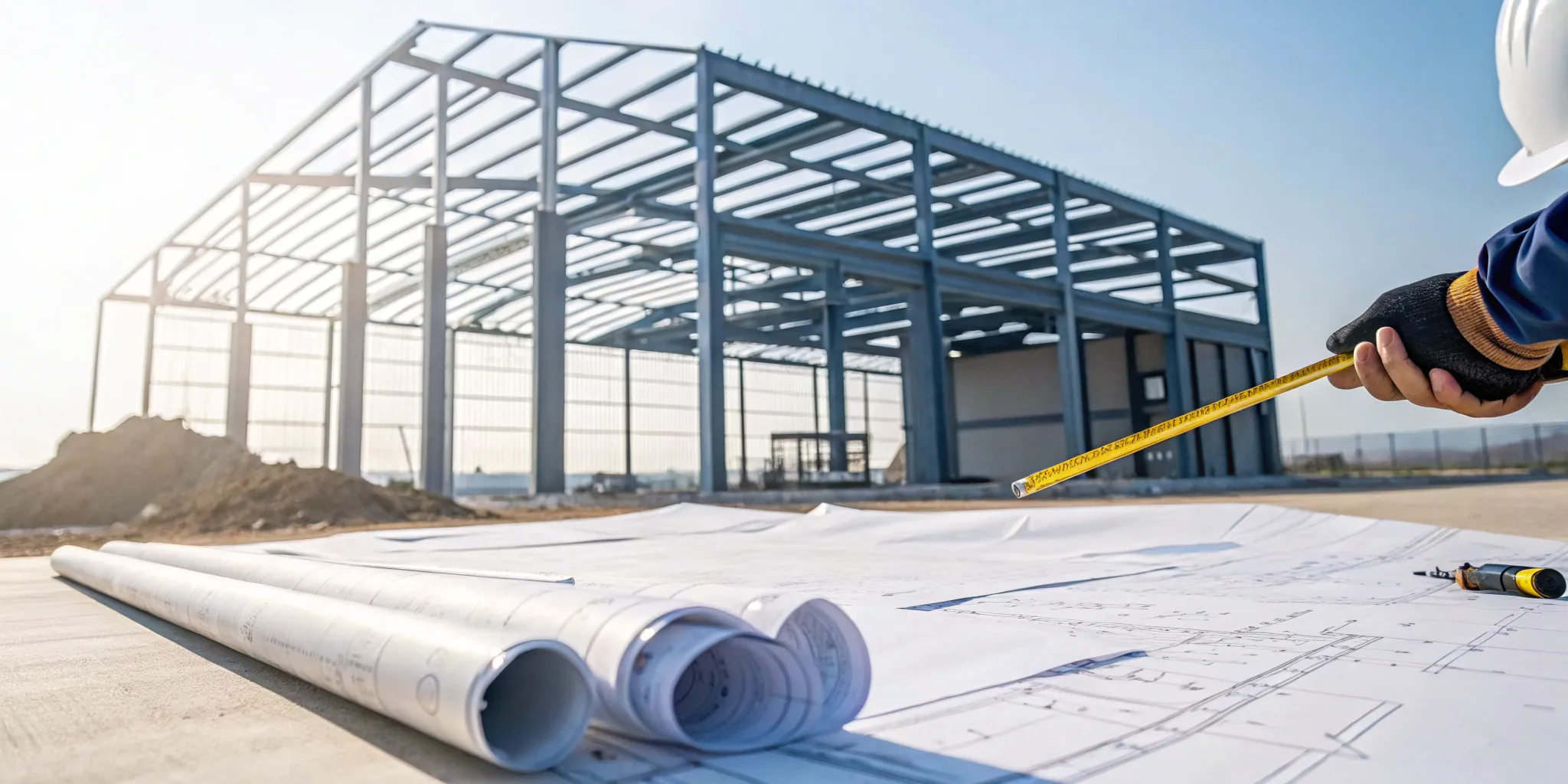
The self-storage industry is evolving. Today’s tenants expect more than a simple garage unit; they want climate control, advanced security, and the convenience of modern technology. Building a facility that will stand out and command higher rental rates means planning for these features from the start. These upgrades are no longer optional amenities—they are essential components that directly influence your budget. As you calculate your self storage construction cost per square foot 2025, you need to factor in these tech-forward elements. This article explores the key trends shaping the future of self-storage and how they impact your construction costs, ensuring you build a competitive, high-value asset built for long-term profitability.
Key Takeaways
- Balance Land and Construction Costs: While single-story facilities are cheaper to build per square foot, a multi-story design is often the smarter investment on expensive land, maximizing your rentable space and revenue potential.
- Budget for the Total Project, Not Just the Structure: A realistic financial plan accounts for essential costs beyond the building itself, including site prep, permits, and modern security technology. These are critical for creating a competitive and profitable facility.
- Your Construction Method Impacts Your Timeline: Choosing between methods like pre-engineered metal, tilt-up, or modular construction directly affects your budget and how quickly you can open. An experienced partner helps you select the right approach to get to market faster.
What Factors Drive Self-Storage Construction Costs?
When you’re planning a new self-storage facility, the final price tag depends on more than just the size of the building. Three core factors—location, materials, and design—will have the biggest impact on your budget. Understanding how these elements work together is the first step toward creating a realistic financial plan for your project. A seasoned general contractor can help you analyze these variables to find the right balance between cost, quality, and long-term value.
From dense urban cores to sprawling suburban lots, where you choose to build sets the foundation for your entire project budget. The materials you select and the local labor pool will directly influence your per-square-foot costs. Finally, the complexity of your design—from a simple single-story structure to a high-tech, multi-level facility—determines the scope of work and the final investment required. Let’s break down each of these key drivers.
Your Project's Location
The old real estate mantra holds true: it’s all about location. Building in a dense urban center often means higher land costs and stricter zoning regulations, which can push developers toward more complex vertical construction. While these projects can be more expensive to build, they also serve high-demand areas with strong revenue potential.
Conversely, a suburban or rural location might offer lower land prices and more straightforward site prep, but you’ll need to factor in accessibility and local market demand. Your location also dictates permitting processes, impact fees, and utility connection costs. Working with a construction partner who understands the local landscape is critical for anticipating these site-specific expenses.
Building Materials and Local Labor
The physical components of your facility are a major line item. While the cost for basic mini storage buildings can fall between $25 and $40 per square foot, your choice of materials will cause that number to fluctuate. Steel remains a popular and cost-effective option, but you’ll also need to budget for concrete, insulation, roofing, and interior finishes.
At the same time, the availability and cost of skilled labor in your area will significantly affect the budget. Some developers are exploring modular construction to manage timelines and reduce on-site labor expenses. An experienced general contractor can provide value engineering, helping you select durable, cost-effective materials and manage labor efficiently to keep the project on track.
The Complexity of Your Design
Are you planning a basic drive-up facility or a multi-story, climate-controlled building with advanced security? The complexity of your design is a primary cost driver. Features like climate control, individual unit alarms, and automated access gates will increase your initial investment. However, these upgrades can also help your facility stand out in a competitive market.
As the self-storage industry evolves, many owners find that investing in facility upgrades and technology allows them to command higher rental rates and attract more tenants. The key is to balance modern amenities with your target market’s needs and your overall business goals. We can help you weigh the costs and benefits of different design features to ensure your project delivers the best possible return.
What Is the Average Cost to Build a Self-Storage Facility?
When you're budgeting for a new self-storage project, the first question is always about the bottom line. While every project is unique, we can look at some reliable industry averages to get a starting point. The cost to build a self-storage facility is heavily influenced by whether you're building a sprawling single-story complex or a vertical multi-story structure. These figures give you a solid baseline for your initial financial modeling before you dive into the specifics of your site and design.
Think of these numbers as a framework. Your final costs will depend on the land you've chosen, the price of steel and concrete in your area, and the specific features you want to include. For example, a facility with extensive security systems and automated access will have a different budget than a more basic setup. The level of finish, landscaping, and office amenities also play a role. As your construction partner, our job is to help you refine these estimates into a detailed, accurate budget that reflects your project's specific needs and market position. We'll work with you to value-engineer the design, ensuring you get the best return on your investment without sacrificing quality. Let's dig into the two main types of facilities to see how the costs stack up.
Cost Breakdown for Single-Story Facilities
If you have a larger piece of land, a single-story facility is often the most cost-effective route. On average, you can expect construction costs to range from $50 to $65 per square foot. These buildings are simpler to erect, requiring a less complex foundation and structural frame compared to their multi-story counterparts. The straightforward design also means quicker construction timelines and easier access for trades, which helps keep labor costs in check. This model is perfect for suburban or rural markets where land is more affordable and you can maximize your footprint with popular drive-up units.
Cost Breakdown for Multi-Story Facilities
When you're building in a denser urban or suburban area where land is at a premium, going vertical makes the most sense. For multi-story facilities, construction costs typically run from $90 to $120 per square foot. The higher price tag accounts for the more robust structural engineering needed to support multiple floors, along with the added expense of elevators, stairwells, and more complex HVAC and fire suppression systems. While the upfront investment is greater, a multi-story design allows you to maximize your rentable square footage on a smaller lot, which is key to profitability in competitive markets.
Factoring in Climate Control
One of the biggest decisions you'll make is whether to include climate-controlled units. Adding comprehensive HVAC systems to maintain a consistent temperature and humidity level will increase your initial construction costs. However, this investment can pay off significantly. Climate-controlled units let you charge higher rental rates and attract a wider range of tenants who need to store sensitive items like furniture, electronics, artwork, or business documents. In many markets, especially those with extreme temperatures, offering climate control isn't just a premium feature—it's an expectation that can set your facility apart from the competition.
How Do Single-Story and Multi-Story Costs Compare?
Choosing between a single-story and a multi-story self-storage facility is one of the biggest decisions you'll make, and it directly impacts your budget. The numbers tell a clear story: single-story facilities are less expensive to build, with costs often falling between $50 and $65 per square foot. Their straightforward design and construction process contribute to these lower figures. In contrast, multi-story facilities require a larger investment, typically ranging from $90 to $120 per square foot.
So, why the significant jump in price? The higher price tag for multi-story buildings comes from the added complexity at every stage. These projects demand more robust structural engineering to support multiple levels, plus the integration of elevators, sophisticated HVAC systems, and more intricate site logistics. However, the decision isn't just about the initial build cost. In dense urban or suburban areas where land is scarce and expensive, building vertically allows you to maximize your rentable square footage on a smaller parcel. This can lead to significantly higher long-term revenue potential, making the upfront investment a strategic move. Our team has experience developing both types of storage projects and can help you run the numbers to determine the best approach for your specific market and goals.
Foundation and Structural Demands
The structural requirements for single-story and multi-story facilities are fundamentally different, which is a primary driver of the cost variance. A single-story building typically uses a straightforward slab-on-grade foundation, which is relatively quick and cost-effective to pour. The structural frame is also simpler, often using pre-engineered metal components.
Multi-story facilities, on the other hand, require deep foundations and a heavy-duty steel or concrete structure to support the weight of multiple floors. This involves more extensive excavation, more concrete and rebar, and specialized labor. As land becomes more limited in prime locations, "the continued shift toward vertical construction as a solution to urban space constraints" means developers must plan for these more complex and costly structural systems to stay competitive.
HVAC and Electrical Systems
While a basic single-story facility might only require lighting and security, most modern storage developments incorporate climate control, which adds another layer of cost and complexity—especially in multi-story designs. Installing HVAC systems to maintain consistent temperature and humidity across multiple floors requires extensive ductwork, larger commercial-grade units, and sophisticated controls. You'll also need to account for elevators, comprehensive lighting for interior hallways, and robust electrical systems to power it all.
However, this investment often pays for itself. As one industry report notes, "Climate-controlled units cost more to build but let you charge higher rental prices." These units attract a wider range of customers who need to store sensitive items like electronics, furniture, and documents, leading to higher occupancy rates and a stronger return on your investment.
How Timelines Affect the Bottom Line
Construction timelines have a direct impact on your project's total cost through financing, insurance, and general overhead. Single-story facilities are generally faster to erect, especially when using pre-engineered metal buildings, which helps you get to market and start generating revenue sooner. Multi-story projects are inherently more complex and take longer due to the intricate foundation, structural work, and systems installation involved.
The key to managing this is partnering with the right team. Experienced, top-tier building companies are able to complete projects faster by anticipating challenges and managing logistics efficiently. Working with a general contractor who understands the unique demands of self-storage construction is essential for keeping your project on schedule and on budget. A well-managed timeline minimizes delays and ensures you can open your doors to customers as quickly as possible. If you're ready to get started, our team can help you plan your project efficiently.
What Hidden Costs Should You Plan For?
When you’re budgeting for a new self-storage facility, the hard construction costs—like steel, concrete, and labor—are usually the first things that come to mind. But the numbers on your pro forma can quickly get thrown off by expenses that aren't always obvious from the start. Thinking about these "hidden" costs early on isn't about preparing for the worst; it's about creating a realistic, resilient budget that protects your investment.
A successful project accounts for everything from the dirt under the foundation to the software that runs the front gate. These costs aren't afterthoughts; they are critical components that determine your facility's long-term value, operational efficiency, and ability to attract high-quality tenants. Working with an experienced general contractor means you have a partner who brings these items to the table during pre-construction, helping you build a comprehensive financial plan. Let’s break down the four main areas where unexpected costs often appear.
Site Prep and Utility Hookups
Before the first slab is poured, your land needs to be ready for construction. The cost of site preparation can vary dramatically, adding anywhere from $5 to $80 per square foot depending on the property's condition. This work includes clearing, grading, soil compaction, and establishing proper drainage—all essential for a stable foundation. Similarly, connecting to local utilities like water, sewer, and electricity can involve significant expenses for trenching and hookup fees, especially if the site is undeveloped. A thorough geotechnical survey and site assessment are the best ways to get a clear picture of these upfront costs.
Security and Access Technology
Modern tenants expect more than just a padlock and a key. Investing in robust security and access technology is essential for staying competitive and protecting your customers' belongings. These systems can include high-definition surveillance cameras, electronic gate access, individual door alarms, and even mobile apps for tenants. The cost can range from a few hundred to several thousand dollars per unit, depending on the level of sophistication you choose. While it’s a significant line item, a state-of-the-art security system is a powerful marketing tool that justifies higher rental rates and attracts long-term tenants.
Specialized Climate Control Systems
Offering climate-controlled units is one of the most effective ways to increase your facility's revenue. However, building them correctly requires more than just adding an HVAC unit. True climate control involves an integrated system of insulation, vapor barriers, and specialized equipment designed to maintain a consistent temperature and humidity level. This can add $5 to $15 per square foot to your construction costs. While it’s an added expense, it allows you to serve a wider market of customers who need to store sensitive items like electronics, documents, and furniture, making it a smart investment in many regions.
Permits, Fees, and Compliance
Every construction project has to clear local regulatory hurdles, and the associated costs can add up. Permit fees alone can run from $1,000 to over $10,000, depending on your municipality and the project's scale. Beyond the basic building permit, you may also face impact fees, zoning variance applications, and costs for environmental or traffic studies. An experienced local partner can help you anticipate these requirements, ensuring your project complies with all building codes and avoiding costly delays. Getting this right from the start keeps your project on schedule and on budget.
How Does Your Region Affect Construction Pricing?
It’s no secret that where you build matters just as much as what you build. A project in a dense urban center will have a completely different cost structure than one in a suburban or rural area. From the cost of living to local regulations, your project’s location creates a unique financial footprint that you need to understand from day one. Getting a handle on these regional variables is the key to developing a realistic budget and avoiding costly surprises down the road.
When we talk about regional pricing, we’re really looking at three core components: the cost of skilled labor, the logistics of getting materials to your site, and the complexity of local building codes. Each of these factors can swing your total project cost significantly. A general contractor with deep local experience can help you see these costs coming and plan for them effectively, ensuring your pro forma aligns with the realities on the ground. Let’s break down exactly how each of these elements plays out.
Local Labor Rates
The cost of labor is one of the biggest variables in any construction budget. Depending on the market, labor costs can account for 20% to 30% of your total project expenses. This swing is driven by local economic factors like the cost of living, the presence of unions, and the availability of skilled tradespeople. A booming metro area with high demand for construction workers will naturally have higher wages than a region with less development activity. Understanding the labor dynamics in your chosen market is essential for accurately forecasting one of your largest line items.
Material Sourcing and Transport
The price of steel, concrete, and other essential materials isn’t uniform across the country. Your proximity to suppliers and manufacturing hubs plays a major role in what you’ll pay. Sourcing materials from far away adds significant transportation and logistics costs to your budget. As a result, the total cost to build a self-storage facility can range anywhere from $25 to $75 per square foot. Working with a contractor who has strong local supplier relationships can help you secure better pricing and more reliable delivery schedules, protecting your project from supply chain disruptions.
Meeting Local Building Codes
Navigating building codes and zoning regulations is a critical step, and the requirements can vary dramatically from one municipality to another. Densely populated urban areas often have stricter rules that may push you toward more complex and expensive vertical construction to maximize your lot. These designs often come with more stringent fire safety, accessibility, and structural requirements. Furthermore, staying current with new regulations is crucial for avoiding delays and fines. A thorough understanding of local codes is non-negotiable for keeping your project on schedule and within budget.
Which Construction Methods Give You the Best Value?
Choosing the right construction method is one of the most critical decisions you'll make for your self-storage project. It directly influences your initial budget, construction timeline, and long-term maintenance costs. While every project has unique needs, three primary methods consistently deliver excellent value for self-storage developers by balancing cost, speed, and durability. Understanding the trade-offs of each will help you align your building strategy with your financial goals.
Pre-Engineered Metal Buildings
When you think of a classic single-story storage facility, you’re likely picturing a pre-engineered metal building (PEMB). This method is popular for a reason. The components are designed and fabricated off-site before being delivered and assembled, which significantly speeds up the construction schedule. The primary materials, steel and metal, are incredibly durable, fire-resistant, and require very little long-term maintenance—a huge plus for keeping operating costs down. Because mini storage buildings made from these materials are so common, the construction process is streamlined and predictable, making PEMBs a reliable and cost-effective choice, especially for single-story layouts.
Concrete Tilt-Up Construction
For larger or multi-story facilities, concrete tilt-up construction is a fantastic option for efficiency and strength. In this process, large concrete wall panels are cast horizontally on the building’s floor slab, then lifted—or tilted up—into place with a crane. This method is much faster than traditional masonry construction and creates a highly durable, secure, and climate-resilient structure. While the cost to build a self-storage facility is higher for multi-story designs, tilt-up construction helps manage those expenses by reducing on-site labor and build time. The result is a robust, low-maintenance building that can stand up to the elements and provide excellent security for tenants' belongings.
Modular Construction
If speed-to-market is your top priority, modular construction is hard to beat. This approach involves building individual storage units or entire sections of the facility in a controlled factory environment while site preparation is happening simultaneously. Once complete, the modules are transported to the site and assembled. This parallel workflow can dramatically shorten the overall project timeline, allowing you to open your doors and start generating revenue much sooner. As developers look for ways to manage schedules and reduce costs, off-site construction techniques are becoming an increasingly valuable strategy. This method minimizes weather delays and can lead to significant savings on labor and financing costs.
What Future Trends Will Impact Your Costs?
Building a self-storage facility isn't just about today's numbers; it's about anticipating what's next. Staying ahead of key industry shifts can make a huge difference in your budget and your project's long-term success. From the materials you use to the labor you hire, several major trends are shaping the future of construction costs. Keeping these on your radar will help you make smarter, more profitable decisions for your next development.
Material Prices and Supply Chain Shifts
The days of predictable material costs are behind us. To manage expenses effectively, developers are increasingly turning to innovative methods like modular and off-site construction. These techniques can shorten timelines and reduce on-site labor needs, offering more cost certainty. We're also seeing a major push toward vertical construction in dense urban areas, which requires a strategic approach to sourcing steel and concrete. While global supply chains have stabilized somewhat, the potential for new tariffs always looms. This makes it crucial to partner with a contractor who can help you lock in pricing and manage procurement efficiently to protect your budget from unexpected spikes.
The Evolving Labor Market
While material costs get a lot of attention, labor is the other side of the coin. A shortage of skilled workers can drive up wages and extend project timelines. However, the current economic climate presents a unique opportunity. With a slight dip in overall development demand, there's a window to secure top-tier construction talent before interest rates drop and the market heats up again. This is where having an experienced general contractor becomes invaluable. A team with deep roots in the local market and strong subcontractor relationships ensures you have a reliable, skilled crew on your site, keeping your project on schedule and within budget. It's about having a partner you can trust to deliver.
The Demand for New Technology
Today’s self-storage customers expect more than a simple lock and key. To stand out, facilities need to offer modern amenities, and that means budgeting for technology from day one. Features like smart access control, 24/7 surveillance, and seamless online rental platforms are becoming standard. While these systems add to your initial construction costs, they are no longer optional—they are essential for attracting and retaining tenants. Investors recognize this shift and continue to fund tech-forward projects because they command higher rents and have a clear competitive edge. Planning for these upgrades early ensures your facility meets market demand and is built for long-term profitability. Let's talk about how to integrate these features into your next project.
How Can You Calculate Your Project's ROI?
Calculating the return on investment (ROI) for a self-storage facility goes far beyond simply subtracting your construction costs from your projected income. A true ROI analysis gives you a clear picture of your project's long-term financial health by factoring in every variable, from initial land acquisition to ongoing operational expenses and market dynamics. Think of it as the financial blueprint that guides your investment decisions. To get it right, you need accurate numbers from the very beginning, especially when it comes to the cost of construction. A vague estimate can throw off your entire pro forma, leading to funding gaps or a project that never meets its profitability targets. This is where precision becomes your greatest asset.
A solid ROI calculation starts with a detailed construction budget. This includes not just the building itself but also site work, permits, and technology integration. Partnering with an experienced general contractor who understands the self-storage market is essential. A team with a deep portfolio of successful projects can provide realistic cost estimates based on current material prices and labor rates, helping you avoid surprises down the road. They can also identify opportunities for value engineering, ensuring you aren't overspending on features that won't deliver a return. This precise financial groundwork is the foundation upon which your entire projection is built, allowing you to confidently forecast profitability and secure financing from lenders who need to see a well-researched plan.
Estimating Your Revenue Potential
Your facility's revenue is the engine of your ROI. While a typical self-storage location can generate between $150,000 and $500,000 annually, your actual earnings will depend on several key factors. The primary drivers are your location, local market demand, and the specific mix of units you offer. A facility with a high percentage of climate-controlled units in an underserved urban area will have a different revenue profile than a standard facility in a suburban market. To create an accurate forecast, you’ll need to research competitor pricing and project your stabilized occupancy rate—the long-term average occupancy you expect after the initial lease-up period.
Understanding Long-Term Operating Costs
While revenue is exciting, managing your long-term operating costs is what protects your profit margins. These ongoing expenses go beyond the initial construction investment, which can range from $50 to $120 per square foot. Your annual budget must account for property taxes, insurance, utilities, marketing, and staffing. Don’t forget to factor in maintenance, which can run from $0.10 to $0.25 per square foot each year to keep your facility clean and functional. Choosing quality materials and construction methods from the start can significantly lower these future repair and upkeep costs, directly impacting your net operating income and overall ROI.
Analyzing Market Demand and Payback
A strong market is the final piece of the ROI puzzle. The good news is that the self-storage industry is positioned for continued growth, with the U.S. market projected to expand from $44.37 billion to $49.88 billion by 2029. This positive trend supports healthy occupancy rates and steady rental income, which shortens your payback period. Before breaking ground, conduct a thorough market analysis to confirm there’s sufficient local demand. Look at population growth, housing trends, and the amount of existing competition. A solid understanding of these factors will validate your investment and give you the confidence that your project will succeed.
Plan Your Self-Storage Project with Confidence
Embarking on a new self-storage development is a major undertaking, and a clear understanding of the costs is your foundation for success. With construction expenses for self-storage facilities ranging anywhere from $50 to $120 per square foot, every choice you make—from the site plan to the final finishes—directly impacts your bottom line. The goal isn't just to build a facility; it's to create a profitable asset that meets market demand head-on.
A successful project starts with aligning your facility's size and type with local demand. As development costs continue to climb, simply building more units isn't enough. The key to standing out is to differentiate your business through thoughtful upgrades, superior customer service, and modern technology that tenants expect. This strategic approach ensures you can command competitive rental rates from day one.
Your first major decision point is often choosing between a single-story or multi-story design. Single-story facilities generally have a lower initial cost, averaging $50 to $65 per square foot. However, in dense urban areas where land is at a premium, the trend is shifting toward vertical construction. While multi-story facilities cost more upfront—typically $90 to $120 per square foot—they maximize your property's potential. Exploring modern building methods, like modular and off-site construction, can also offer more efficient timelines and better cost control.
Ultimately, planning with confidence means having a construction partner who understands the nuances of the self-storage market. The right team doesn't just execute a blueprint; they provide the insight and comprehensive construction services needed to guide your project from concept to completion. By focusing on smart design, market alignment, and quality construction, you can build a facility that delivers long-term value.
Related Articles
- Self Storage Building Construction Costs: A Breakdown
- What Are Self Storage Construction Costs Per Square Foot?
- Finding the Best Self Storage Construction Companies
Frequently Asked Questions
What's the most common mistake developers make when budgeting for a new self-storage project? The most frequent oversight is underestimating site work and soft costs. It’s easy to focus on the price of steel and concrete, but the expenses for grading the land, running utility lines, and paying for permits and fees can add a significant amount to your budget. A successful project accounts for these variables from day one. Working with a construction partner who provides a comprehensive pre-construction analysis helps ensure your budget reflects the total project cost, not just the building itself.
Is it always better to build a multi-story facility in a city? Not necessarily. While building vertically is a great strategy for maximizing a small, expensive lot, the decision really comes down to a cost-benefit analysis. You have to weigh the higher construction costs of a multi-story building against the price of land and the potential rental income in that specific market. In some urban areas, a well-designed single-story facility on a larger, more affordable parcel might offer a faster and more profitable return.
How much should I budget for technology and security systems? There isn't a single magic number, as the cost depends entirely on the level of sophistication you want to offer. Instead of thinking of it as just an expense, view it as an investment in your facility's market position. A basic camera and gate system will cost far less than individual unit alarms and a mobile access app. The right amount to budget is what allows you to meet or exceed the expectations of your target tenants and command the rental rates you've projected in your financial plan.
Besides the construction method, what's the best way to manage my project's timeline? The most effective way to keep a project on schedule is through meticulous pre-construction planning. This means having a clear design, making key decisions on materials early, and aligning with a general contractor who has strong relationships with local subcontractors. A well-managed project runs smoothly because potential roadblocks are identified and solved before they cause delays on site. Clear communication and a proactive team are your best tools for getting your facility open for business as quickly as possible.
How do I know if adding climate control will pay off in my specific market? The best way to decide is to analyze your local competition and potential customer base. Look at what other facilities in the area are offering and what kind of premium they charge for climate-controlled units. If there's a high demand from customers needing to store sensitive items like business documents, electronics, or fine furniture, and few competitors are meeting that need, the investment is likely to provide a strong return. It's about matching the amenity to a clear market demand.
About the Author

Tomer Benshushan is a seasoned general contractor and developer with over a decade of experience leading large-scale commercial and multifamily construction projects across Texas and beyond. As founder of Pillars of Seven, he specializes in ground-up development, restoration, and design-build execution for multifamily, warehouse, and storage facilities. Tomer is known for his hands-on approach, attention to detail, and commitment to delivering high-quality builds that balance design, efficiency, and long-term performance.