9 Top Residential Construction Companies for Developers
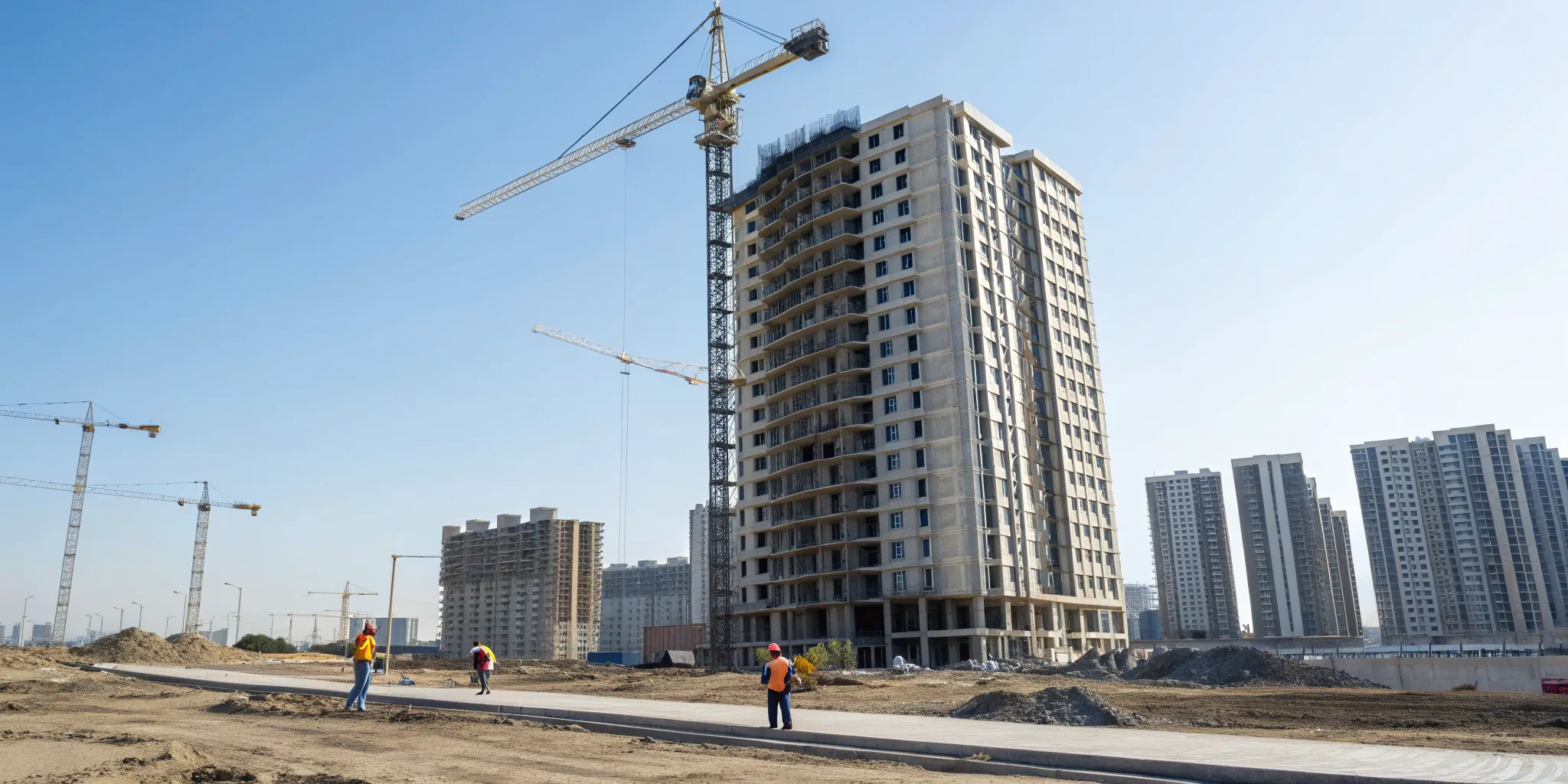
Every developer knows the potential risks of a new build: schedule delays, unexpected costs, and communication breakdowns can quickly erode your return on investment. The right construction partner isn't just a vendor; they are your primary defense against these challenges. A proactive, experienced builder anticipates problems and manages them effectively, keeping your project on track. This article serves as a comprehensive guide to vetting residential construction companies that have a proven track record of success. We will explore the services they offer, the qualities that set the best apart, and how to evaluate their reputation to ensure you hire a partner who protects your bottom line.
Key Takeaways
- Look Beyond the Portfolio to Vet Your Partner: A builder's true value is shown in their processes. Verify their licensing and insurance, assess their safety record, and confirm they have a structured communication plan to ensure they can deliver on their promises.
- The Right Builder Manages More Than Just Construction: Top firms act as strategic partners who handle everything from pre-construction planning and value engineering to navigating supply chain issues, ensuring your project stays on track and on budget from start to finish.
- Prioritize Financial Clarity from Day One: A trustworthy builder provides transparent cost breakdowns, clear contract terms, and a defined payment schedule. This financial alignment is essential for protecting your investment and making informed decisions throughout the project.
What Is a Residential Construction Company?
At its core, a residential construction company is a firm that specializes in building and renovating the places people call home. While this might bring to mind single-family houses, the term covers a much wider range of properties. It includes everything from custom homes and townhouses to large-scale condominiums and multifamily apartment complexes. For real estate developers and investors, these companies are the partners who turn a blueprint into a livable, profitable asset. They are the operational engine that manages every phase of bringing a residential project to life.
The work of a residential builder goes far beyond the physical construction. A reliable firm handles the entire project lifecycle, from the initial planning stages to the final walkthrough. Their comprehensive construction services typically include collaborating on design, securing the necessary permits, and ensuring every aspect of the build complies with local zoning laws and building codes. They also manage the complex logistics of sourcing materials, coordinating with subcontractors, and keeping the project on schedule and within budget. Think of them as the central hub for communication and quality control, ensuring every detail aligns with the project's vision.
It’s also important to distinguish between the different types of residential builders. Some focus exclusively on building one-off custom homes for individual clients. Others, like Pillars of Seven, specialize in larger, more complex developments such as multifamily housing. These firms have the experience and resources to manage multi-unit projects that require a sophisticated approach to site development, project management, and stakeholder communication. Understanding this distinction helps you find a construction partner whose expertise matches the scale and complexity of your investment goals.
The Top Residential Construction Companies in the U.S.
When you’re looking for a construction partner, it helps to know the major players in the industry. While many of the biggest names focus on single-family homes, their scale, efficiency, and market understanding offer valuable lessons for any developer. These companies have mastered the art of building at volume, managing complex supply chains, and delivering projects that meet market demand.
Understanding how these leaders operate can inform your own strategies, whether you're developing a multifamily community, a mixed-use property, or a commercial facility. The principles of quality, timeliness, and budget management are universal. This list covers some of the most influential builders in the residential space, each with a distinct approach that has earned them a top spot in the market. From luxury homes to sustainable communities, their work sets benchmarks for the entire construction industry.
Pillars of Seven
While many national builders focus on single-family homes, we at Pillars of Seven specialize in the projects that build communities: multifamily housing, hospitality, and commercial developments. We bring an engineering-first mindset to every project, ensuring precision, efficiency, and quality from the ground up. For developers and investors, this means a partnership focused on clear communication, value engineering, and a commitment to hitting your budget and timeline. Our expertise isn't just in building structures; it's in building a reliable process that turns your vision into a profitable reality. You can see the quality and diversity of our work in our project portfolio.
D.R. Horton
It’s hard to discuss residential construction without mentioning D.R. Horton. As the largest home builder in the U.S. based on gross revenue, their market presence is immense. They have a reputation for building a wide range of homes that appeal to various buyers, from entry-level to luxury. For developers, D.R. Horton’s success demonstrates the power of scale and operational efficiency. Their ability to consistently deliver a high volume of homes across the country showcases a mastery of logistics, supply chain management, and understanding local market demands. According to Statista, their dominance makes them a key indicator of housing market trends.
Lennar Corporation
Following closely behind D.R. Horton, Lennar Corporation is the second-largest home builder in the U.S. and a major force in the industry. Lennar is known for its "Everything's Included" approach, which simplifies the homebuying process by including popular features as standard. This strategy highlights a deep understanding of consumer preferences and a commitment to value. For developers, Lennar’s model is a great example of creating a straightforward and appealing product offering. Their significant market share, as confirmed by revenue data, reflects their ability to build homes that resonate with a broad audience while maintaining efficient, large-scale operations.
PulteGroup
PulteGroup holds a strong third-place position among U.S. home builders, with a diverse portfolio of brands that cater to different life stages, including Centex for first-time buyers, Pulte Homes for families, and Del Webb for active adults. This segmented approach allows them to target specific demographics with tailored products. Developers can learn from PulteGroup’s strategy of creating distinct brands to meet the needs of various market segments. Their consistent high ranking in industry revenue underscores the success of this targeted marketing and product development approach, making them a leader in understanding the modern homebuyer.
Toll Brothers
When it comes to the luxury market, Toll Brothers has built an impeccable reputation. They are known for high-end homes in desirable locations, offering extensive customization options that allow buyers to personalize their spaces. For developers working in the premium or multifamily amenity space, Toll Brothers serves as a benchmark for quality craftsmanship and high-touch customer service. Their focus on a niche, affluent market demonstrates the value of specializing and building a brand synonymous with luxury. Their success proves that a deep commitment to quality and customization can create a powerful and lasting market position.
KB Home
KB Home stands out for its focus on personalization and energy efficiency. They offer a highly customizable home-building experience, allowing buyers to choose everything from floor plans to finishes, which gives them a strong sense of ownership. This customer-centric model is paired with a commitment to building energy-efficient homes that save homeowners money on utility bills. For developers, KB Home’s approach highlights the growing demand for both personalization and sustainability. Integrating energy-efficient features is no longer a bonus—it’s a key selling point for modern buyers and renters.
Meritage Homes
Meritage Homes has carved out a niche as a leader in sustainable and energy-efficient building. They are known for constructing homes that exceed standard energy codes, which translates into lower operating costs and a smaller environmental footprint for homeowners. Their commitment to green building practices is a core part of their brand identity. As sustainability becomes increasingly important to consumers and regulatory bodies, Meritage Homes’ strategy offers a forward-thinking model for developers. Prioritizing energy efficiency can be a significant differentiator in a competitive market, appealing to environmentally conscious buyers and future-proofing your investment.
Taylor Morrison
Taylor Morrison is recognized for its strong focus on customer experience and building homes that cater to modern lifestyles. They often rank high in customer satisfaction surveys, a testament to their commitment to quality and service. Their portfolio includes a wide variety of home styles designed to meet the needs of diverse buyers, from young professionals to growing families. For developers, Taylor Morrison’s success underscores the importance of a customer-centric approach. Building a strong relationship with clients and delivering a high-quality product that genuinely fits their needs is a reliable path to building a positive reputation and long-term success.
Century Communities
Century Communities has grown rapidly by focusing on building in desirable locations and offering a diverse range of home types. They build everything from single-family homes to townhomes and condos, allowing them to adapt to different market needs and land opportunities. Their strategy often involves acquiring smaller, regional builders to expand their footprint and gain local market expertise. This approach shows the value of strategic growth and geographic diversification. For developers and investors, Century Communities is a great example of how to scale a business by identifying high-growth areas and offering a flexible product mix that aligns with local demand.
What Services Do Top Residential Builders Offer?
When you partner with a top-tier residential construction company, you’re getting more than just a crew to put up walls. You’re hiring a strategic partner who can manage your project from the initial concept to the final walkthrough. The best builders offer a comprehensive suite of services designed to streamline the development process, ensuring your project stays on schedule and within budget. While the exact offerings can vary, most leading firms provide a core set of capabilities that cover every phase of construction.
For real estate developers and investors, understanding these services is key to finding a builder who can truly meet your needs. You want a team that can handle everything from site preparation and land development to the intricate details of custom builds and sustainable design. A full-service builder acts as a single point of contact, simplifying communication and taking full responsibility for the project's outcome. This integrated approach is crucial for complex projects like multifamily housing or build-to-rent communities, where efficiency and clear oversight directly impact your return on investment.
Custom Home Building
Custom home building isn't just for individual dream homes; it's a vital service for developers creating unique residential projects. This service allows you to build from the ground up according to a specific vision, whether it's a luxury townhome development or a boutique apartment complex. A builder specializing in custom projects will work with you and your architect to draft blueprints, source high-quality materials, and manage the entire construction process. They bring your unique designs to life, ensuring every detail aligns with your project goals and target market. This level of personalization is what sets a development apart and attracts premium tenants or buyers.
Home Renovations and Remodeling
For investors and property managers, renovations are a powerful tool for increasing asset value. Top residential builders offer extensive remodeling services to update existing properties, making them more competitive and appealing. This can range from cosmetic upgrades in multifamily units to complete structural overhauls of an older building. A skilled construction partner can help you modernize layouts, improve energy efficiency, and meet current building codes. By revitalizing an existing property, you can significantly increase rental income and property value, making it a smart investment for your portfolio.
Design-Build Services
The design-build model is a game-changer for developers focused on efficiency. This service combines the design and construction phases into a single, unified contract, making your builder the sole point of responsibility. Instead of juggling separate architects and contractors, you have one integrated team working together from the start. This collaborative approach minimizes communication gaps, reduces delays, and helps control costs by allowing for value engineering early in the process. Pillars of Seven’s design-build capabilities ensure a streamlined workflow, which is ideal for keeping complex multifamily or hospitality projects on track and on budget.
Land Development and Site Preparation
Before any vertical construction can begin, the land itself needs to be prepared. Leading construction companies offer land development and site preparation services to handle this critical first step. This includes everything from clearing and grading the site to installing essential utilities and pouring foundations. A builder who manages site prep can ensure the groundwork is perfectly laid for the structures to come, preventing costly issues down the line. By overseeing everything from excavation and framing to roofing and plumbing, they provide a turnkey solution that takes raw land and transforms it into a project-ready site.
Energy-Efficient and Sustainable Building
Modern tenants and buyers increasingly prioritize sustainability, and top builders are responding with green building services. This involves incorporating energy-efficient designs and environmentally friendly materials to create healthier, more cost-effective living spaces. Sustainable building practices can include installing high-performance insulation, using recycled materials, and designing for optimal natural light and ventilation. For developers, building green isn't just good for the planet—it can also lead to lower long-term operating costs, qualify for tax incentives, and serve as a major selling point for your property.
How to Choose the Right Residential Construction Company
Selecting the right construction partner is one of the most critical decisions you'll make for your project. The right company acts as an extension of your team, guiding the project from groundbreaking to completion while protecting your investment. A great builder brings more than just technical skills to the table; they offer transparent communication, a proactive approach to problem-solving, and a deep commitment to quality and safety.
Your goal is to find a firm that not only understands your vision but also has the proven processes to execute it flawlessly. This means doing your homework and looking beyond the sales pitch. You’ll want to dig into their track record, verify their credentials, and understand their approach to project management. By focusing on a few key areas, you can confidently choose a builder who will deliver a high-quality asset on time and within budget, setting your project up for long-term success.
Evaluate Their Experience and Expertise
A builder’s experience is more than just the number of years they’ve been in business—it’s about the specific types of projects they’ve successfully delivered. If you’re developing a multifamily complex, you need a partner with a deep portfolio in that sector, not one who primarily builds single-family homes. Look for a company whose past projects mirror the scale, complexity, and style of your own. A seasoned firm can anticipate challenges unique to your project type, offer valuable insights during the design phase, and manage the construction process with greater efficiency. Their industry experience is a direct reflection of their ability to handle unexpected issues and keep your project moving forward.
Check for Proper Licensing, Insurance, and Bonding
This step is non-negotiable and serves as a fundamental check on a company’s professionalism and stability. Proper licensing ensures the builder meets all state and local regulations to operate legally. Ask for proof of general liability insurance and workers' compensation, which protect you from financial responsibility in case of accidents or property damage on site. Additionally, bonding provides a crucial layer of financial security. A performance bond guarantees that the contractor will complete the project according to the terms of the contract. Verifying these credentials is a critical part of your due diligence and helps safeguard your investment from start to finish.
Review Their Communication and Project Management Process
Clear, consistent communication is the backbone of any successful construction project. Before signing a contract, you need to understand how a builder manages information and keeps stakeholders informed. Ask about their communication protocols: Who will be your primary point of contact? How often will you receive progress updates? What systems do they use for managing documents, change orders, and requests for information (RFIs)? A well-organized company will have a structured project management process that ensures transparency and accountability. This clarity prevents misunderstandings, keeps the project on schedule, and helps maintain budget control.
Assess Their Commitment to Safety
A company’s approach to safety says a lot about its overall culture and operational discipline. A builder with a strong safety program is not just complying with regulations; they are actively protecting their team, your property, and your investment. Inquire about their safety record, such as their Experience Modification Rate (EMR), and ask to see their formal safety plan. A proactive safety culture leads to fewer accidents, which in turn prevents costly delays and potential legal issues. A safe job site is an efficient and well-managed job site, reflecting a contractor’s commitment to professionalism and excellence in every aspect of their work.
Look for High-Quality Craftsmanship
Ultimately, the quality of the finished product determines the long-term value of your asset. While a builder’s online portfolio is a good starting point, you should dig deeper to assess their craftsmanship. Ask for references from past clients and, if possible, visit a few of their completed projects to see the work firsthand. Pay attention to the details in their finish work, the quality of materials used, and the overall durability of the construction. You should also ask about their quality control process. How do they ensure that every subcontractor and supplier meets their high standards? A commitment to superior construction services is what separates a good builder from a great one.
How to Evaluate a Builder's Reputation
A builder’s promises are one thing, but their track record is what truly matters. A strong reputation is built project by project, through consistent quality, clear communication, and a commitment to client success. Before you sign a contract, it’s essential to do your due diligence and verify that a builder’s reputation aligns with your standards and project goals. Here’s how you can get a clear picture of who you’ll be working with.
Analyze Customer Reviews and Testimonials
Think of online reviews and testimonials as the digital equivalent of word-of-mouth. While a high star rating is a good start, the real insights are in the details. Look for patterns in what past clients are saying. Do they consistently praise the builder's communication, problem-solving skills, or ability to stay on schedule? Pay close attention to how the builder responds to any negative feedback, as this reveals their approach to accountability and customer service. The quantity of reviews and the percentage of satisfied customers can serve as a solid point of reference for their reliability and the quality of their work.
Look for Industry Awards and Recognition
Awards from respected industry organizations are more than just wall decor; they’re a strong indicator of a builder’s credibility. Recognition from groups like the Associated General Contractors (AGC) or local building associations signals that a company meets exceptional quality standards and is respected by its peers. These accolades often highlight a track record of success in specific areas like safety, innovation, or complex project management. While not the only factor, industry recognition can help confirm that a builder has strong leadership and is committed to excellence in their field. It’s a form of third-party validation that can give you extra confidence in your choice.
Assess the Quality of Their Portfolio
A builder’s portfolio is their professional resume, showcasing their experience and craftsmanship. When you review their past work, look for projects that are similar in scale and complexity to your own. This demonstrates relevant expertise and an understanding of your specific needs, whether it's a multifamily development or a commercial facility. Pay attention to the quality of the finished product, the materials used, and the attention to detail. A strong project portfolio should give you a clear sense of the builder’s style, capabilities, and the consistent quality you can expect for your own development.
Understand Their Post-Construction Support and Warranties
A great construction partner doesn’t disappear the moment the project is complete. Before you commit, make sure you understand their process for post-construction support. Ask detailed questions about their warranties: What do they cover, how long do they last, and what is the process for submitting a claim? A builder who stands behind their work will have a clear, organized system for quality control and addressing any issues that may arise after handover. This commitment to long-term satisfaction is a crucial indicator of a reliable and trustworthy partner who is invested in the durability of your asset.
Common Challenges Facing Residential Builders
Every construction project has its complexities, and even the most seasoned builders face hurdles. Understanding these common challenges gives you a clearer picture of what to look for in a partner. A great builder isn't one who avoids problems—it's one who anticipates them and has solid strategies to manage them effectively. From sourcing materials to finding the right people for the job, these issues can impact your timeline, budget, and the final quality of your project. Knowing how a potential partner handles these pressures is key to a successful build.
Labor Shortages and Finding a Skilled Workforce
The construction industry is grappling with a significant shortage of skilled labor. This isn't just an inconvenience; it directly affects project schedules and the quality of workmanship. When the demand for skilled tradespeople like carpenters, electricians, and plumbers outpaces supply, it can lead to delays and higher costs. The best residential construction companies address this head-on by investing in their workforce. They build strong relationships with subcontractors, offer competitive compensation, and foster a culture that attracts and retains top talent. When you're vetting a builder, ask about their team and their strategy for keeping projects staffed with experienced professionals.
Supply Chain Issues and Material Costs
In recent years, supply chain disruptions and fluctuating material costs have become a major headache for builders. Everything from lumber to windows can face unexpected price hikes or delivery delays, making it tough to stick to a budget and timeline. An experienced builder can be your best defense against this volatility. They typically have long-standing relationships with suppliers and a deep understanding of market trends, allowing them to source materials more reliably. They can also suggest alternative materials or building methods to keep your project moving forward without compromising quality. This kind of proactive problem-solving is what separates a good builder from a great one.
Adopting and Integrating New Technology
Technology offers incredible solutions for many construction pain points, from improving on-site communication to streamlining project management. Digital tools can help with everything from scheduling repetitive tasks to ensuring everyone is working from the latest blueprints. However, simply having the technology isn't enough; integrating it effectively across teams and job sites is the real test. Top-tier builders invest in construction management software and provide the training needed to make it work. This commitment ensures transparency for you as the client, with real-time updates and clear communication from start to finish.
Meeting Sustainability and Green Building Standards
Today’s homebuyers and renters are increasingly looking for energy-efficient and environmentally friendly homes. This means builders must keep up with evolving green building standards, new sustainable materials, and complex regulations. Meeting these standards requires more than just using different products; it demands a commitment to ongoing education and adapting building practices. A forward-thinking builder sees this not as a burden but as an opportunity. They can guide you through certifications like LEED or ENERGY STAR, helping you deliver a final product that is not only high-quality but also highly desirable in the current market.
How Construction Pricing and Financing Works
Getting a handle on construction pricing and financing is one of the most critical steps in any development project. It’s more than just a line-item budget; it’s about understanding the flow of capital, the structure of your costs, and the terms of your agreements. A transparent financial framework is the foundation of a successful build, ensuring there are no surprises and that your project stays on track from groundbreaking to completion. For developers and investors, partnering with a builder who is an open book about costs and financing isn't just a preference—it's a necessity for protecting your investment and achieving your goals.
Understanding Construction Cost Structures
Before you can secure financing, you need a clear picture of your total project costs. These are typically broken down into three main categories: hard costs, soft costs, and land acquisition costs. Hard costs are the tangible expenses related to the physical construction, like materials, labor, and equipment. Soft costs are the less tangible but equally important expenses, including architectural and engineering fees, permits, insurance, and legal fees. Financing a new build is quite different from buying an existing property, and lenders will want to see a detailed breakdown of every expense. Understanding these distinct construction loans and their requirements is the first step toward a successful project.
Exploring Financing Programs and Payment Plans
With a solid budget in hand, you can explore your financing options. For large-scale residential projects, developers often use commercial construction loans, which are short-term loans that cover the costs of building. These are typically paid out in draws or stages as the project hits specific milestones. Some developers may use bridge loans to cover funding gaps or even enter into joint venture agreements with capital partners. The availability of flexible financing can significantly influence project decisions. A great construction partner understands this and can work with you to align the construction schedule with your financing structure, ensuring a smooth process from start to finish.
Clarifying Contract Terms and Payment Schedules
Your construction contract is the legal document that outlines everything—from the scope of work to the final cost. The most common contract types include Lump Sum (a fixed price for the entire project), Cost-Plus (actual cost plus a fee), and Guaranteed Maximum Price (a cost-plus model with a price ceiling). A detailed and transparent contract is a sign of a trustworthy builder. It should clearly define the payment schedule, which is tied to construction milestones. This ensures you only pay for work as it’s completed and verified, giving you control and visibility over your investment throughout the project lifecycle.
Finding Opportunities for Value Engineering
In any project, the goal is to maximize value, not just cut costs. This is where value engineering comes in. It’s a systematic process of reviewing the project’s design, materials, and construction methods to find more cost-effective alternatives without compromising quality, function, or aesthetics. For example, it could mean suggesting a different but equally durable cladding material or reconfiguring a layout to reduce structural steel requirements. As factors like interest rates fluctuate, it becomes even more important to optimize project budgets. A proactive builder will bring these opportunities to the table early, helping you make smart decisions that deliver a better return on your investment.
Regional vs. National Builders: What's the Difference?
Choosing between a regional and a national builder is a critical decision for any developer or investor. The right partner depends entirely on your project's scope, complexity, and long-term goals. While national builders bring brand recognition and massive scale, regional firms offer a different set of advantages rooted in local expertise and adaptability. It’s not about finding the "best" builder, but about finding the best fit for your specific development.
National builders often operate with standardized processes and vast supply chains, making them a go-to for large-scale, repeatable projects across multiple states. They have the resources and manpower to execute massive rollouts. On the other hand, regional builders provide a more hands-on, localized approach. They tend to have deep roots in the communities they serve, which translates into invaluable market knowledge and stronger relationships with local subcontractors and officials. Understanding these core differences in service area, resources, and flexibility will help you select a construction partner who can truly align with your vision and deliver the results you need.
Service Area and Local Market Knowledge
A regional builder’s greatest strength is their deep, firsthand knowledge of the local environment. They aren’t just building in a city; they are part of it. This translates to a nuanced understanding of regional building codes, zoning laws, and the often-tricky permitting process. Because they’ve worked with local municipalities and inspectors for years, they can anticipate potential hurdles and keep your project moving forward smoothly.
This local expertise also extends to their network. Regional firms have established relationships with the most reliable local subcontractors, suppliers, and engineers. This ensures you get a high-quality team that is familiar with the area’s specific challenges, from soil conditions to weather patterns, ultimately reducing risks and preventing costly delays.
Resource Availability and Project Scale
National builders are known for their extensive resources and ability to manage enormous projects. Their size gives them significant purchasing power and access to a nationwide network of labor and materials, which can be an advantage for sprawling, multi-state developments. Their established systems and processes are designed for consistency and repeatability across a large portfolio.
In contrast, regional builders offer agility and a focused approach. While they may not have the same sheer scale as a national giant, they excel at managing complex, high-value projects within their territory. Their leaner structure often allows them to be more responsive and adaptable to on-the-ground changes. They leverage strong local construction supply chains to ensure timely material delivery and can mobilize dedicated teams who are fully committed to your project’s success.
Customization Options and Flexibility
If your project requires a unique design or a creative approach, a regional builder is often the more flexible partner. They are typically less constrained by rigid corporate protocols and standardized floor plans, allowing for greater collaboration and customization. This is especially valuable in the design-build process, where the builder, designer, and client work together from the start to create a tailored solution.
This flexibility also opens the door for more effective value engineering. A regional partner can work closely with you to identify innovative materials or construction methods that meet your vision while staying within budget. National builders, while efficient, may prioritize standardization over customization, making it harder to deviate from their established models. For developers looking to create a distinctive property, a regional builder’s adaptability is a major asset.
Key Questions to Ask Before Hiring a Builder
Choosing a builder is one of the most critical decisions you'll make for your development. This isn't just about hiring a contractor; it's about finding a strategic partner who will bring your vision to life on time and within budget. The right questions during the vetting process can reveal a company's true capabilities, communication style, and commitment to quality. A builder’s answers will tell you everything you need to know about their process, transparency, and how they handle challenges when they arise.
Think of this as a job interview where you’re hiring for a key leadership position in your project. You need a team that not only has the technical skills but also aligns with your goals and values. A builder with a proven track record will welcome detailed questions and provide thorough answers. They understand that trust is built on clarity and a shared understanding of the project's goals. Before you sign any contracts, make sure you have clear, confident answers to the following questions. This due diligence will help you build a strong foundation for a successful partnership and a profitable project.
Questions About Your Project Timeline and Schedule
A project’s schedule is its heartbeat, and delays can have significant financial consequences. You need a builder who respects the timeline as much as you do. Start by asking for a detailed preliminary schedule. How do they develop it, and what tools do they use to track progress? Ask about their track record with similar projects—have they consistently delivered on time? A look through their project portfolio can give you a sense of their experience with projects of your scale. Don’t forget to ask how they handle unforeseen delays, like weather or supply chain disruptions. A proactive builder will have contingency plans in place and a clear process for communicating any schedule adjustments.
Questions About Your Budget and Cost Transparency
A low bid isn't always the best bid. True value comes from transparency and predictability. Ask for a detailed breakdown of their cost estimate so you understand exactly what’s included. Inquire about their change order process—how are changes priced and approved? You should also discuss their approach to value engineering. A great partner will suggest cost-saving alternatives without compromising quality or design intent. Finally, ask about their billing structure and payment schedule to ensure it aligns with your financing. A builder who is open and clear about every line item is one you can trust with your investment.
Questions About Quality Control and Warranties
Your project's long-term success depends on the quality of its construction. Go beyond the finished photos and ask about their quality assurance and quality control (QA/QC) program. Who is responsible for it on-site, and what does the inspection process look like at key milestones? Ask about the subcontractors they work with and how they are vetted. A firm’s commitment to quality is also reflected in its warranties. Be sure to ask what warranties they provide on their workmanship and the materials used. Understanding their construction capabilities and quality standards upfront will give you confidence in the final product.
Questions About Communication and Project Updates
Clear, consistent communication is the glue that holds a project together. Ask who your primary point of contact will be and what their role is. How often can you expect to receive progress updates, and in what format (e.g., weekly meetings, written reports, project management software)? It’s also wise to ask how they manage communication between the owner, architect, and construction team to ensure everyone is aligned. A builder who prioritizes a structured and transparent communication plan demonstrates that they view you as a true partner in the process, not just another client.
Related Articles
- How to Vet Multifamily Construction Companies
- 6 Top Apartment Building Construction Companies
- How to Find the Best Home Construction Companies
- 8 Top Multifamily Construction Companies to Know
- Top 5 Construction Companies That Build Apartments
Frequently Asked Questions
Why does your list of top builders focus on single-family homes when my interest is in multifamily or commercial projects? That's a great question. We included those national home builders because their operational scale and market understanding offer valuable lessons for any type of development. However, their processes are tailored for high-volume single-family construction. For more complex projects like apartment complexes, storage facilities, or hospitality developments, you need a partner with specialized expertise. Firms that focus on multifamily and commercial construction, like Pillars of Seven, bring a different skill set centered on intricate project management, stakeholder communication, and building for long-term asset performance.
What's the real difference between a fixed-price contract and a cost-plus contract? Think of it as the difference between a set menu and ordering à la carte. A fixed-price (or lump-sum) contract sets one total price for the entire project, offering you budget certainty from the start. A cost-plus contract bills you for the actual costs of labor and materials, plus a predetermined fee for the builder's overhead and profit. While a fixed price feels safer, a cost-plus model can offer more transparency and flexibility, especially if the project scope might change. The right choice depends entirely on your project's complexity and your comfort level with financial risk.
You mentioned "value engineering." Isn't that just a way to use cheaper materials? Not at all, and it's a common misconception. True value engineering isn't about cutting corners or sacrificing quality. It's a creative and systematic process to find smarter, more efficient ways to achieve the same result. It might involve suggesting an alternative structural design that uses less steel, reconfiguring a layout to optimize mechanical systems, or selecting a different cladding material that offers the same durability and aesthetic for a better price. The goal is to maximize the value of every dollar you spend without compromising the integrity or vision of your project.
How can a regional builder compete with the resources of a large national firm? While national firms have scale, regional builders compete with agility and deep local knowledge. A regional partner understands the specific nuances of the local market, from navigating the permitting process with city officials they know by name to having long-standing relationships with the area's most reliable subcontractors. This on-the-ground expertise allows them to anticipate potential issues, solve problems faster, and often provide more direct, hands-on management from senior leadership, ensuring your project gets the focused attention it deserves.
Beyond checking their license and insurance, what's the most critical step in vetting a potential construction partner? Once you've confirmed their credentials, the most critical step is to thoroughly evaluate their communication and project management processes. A beautiful portfolio means nothing if the execution is chaotic. Ask them to walk you through their exact process for handling change orders, providing progress updates, and managing communication between you, the architect, and their team. A builder who can clearly articulate a structured, transparent process is one who has the discipline to keep your project on schedule and on budget.
About the Author

Tomer Benshushan is a seasoned general contractor and developer with over a decade of experience leading large-scale commercial and multifamily construction projects across Texas and beyond. As founder of Pillars of Seven, he specializes in ground-up development, restoration, and design-build execution for multifamily, warehouse, and storage facilities. Tomer is known for his hands-on approach, attention to detail, and commitment to delivering high-quality builds that balance design, efficiency, and long-term performance.